
Iraj Mirza: Iranian poet and early modernist (1874–1926)
Iraj Mirza (Jalalolmamalek) was an influential Iranian poet from Tabriz, noted for his satirical, modernizing verse, outspoken themes on society and women, and fusion of classical Persian forms with colloquial language.
Iraj Mirza (born Jalalolmamalek, son of Gholam‑Hossein Mirza; October 1874 – 14 March 1926) was an Iranian poet whose work helped shape the transition of Persian poetry into the modern era. He wrote in Persian and is remembered for bold themes, vernacular diction and satirical tone. Born in Tabriz, he spent much of his career in Tehran and other cultural centers of Iran, and his verse attracted both popular admiration and controversy.
Image gallery
3 Images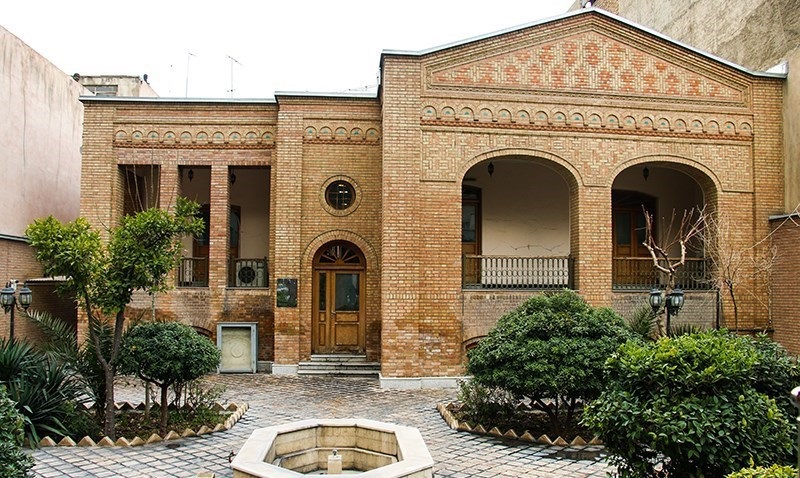


Life and background
He belonged to a family connected with the Qajar milieu; his formal name reflects that lineage. Iraj Mirza lived through a period of social and political change in Iran at the turn of the 20th century. He died in Tehran on 14 March 1926 and was buried in Shemiran; his tomb remains a point of interest for those studying Persian literary history (Shemiran).
Style and themes
Iraj Mirza combined classical Persian poetic techniques with colloquial speech and a conversational delivery. His verse often employed satire, irony and frank emotional expression. He addressed social issues such as the condition of women, superstition, hypocrisy and the clash between tradition and modernity. These themes made him a distinctive and sometimes contentious voice among his contemporaries.
Notable works
- Satan (Ebleess) — a dramatic, provocative poem.
- Mother (Maadar) — an emotional address to maternal love.
- Woman's Picture (Tassvir‑e‑Zan) — reflections on the feminine ideal.
- Story of the Hijab (Daastaan‑e Chaador) — a controversial, reformist piece about veiling and society.
- Story of Zohreh and Manouchehr (Daastaan‑e Zohreh o Manouchehr) — a narrative poem drawing on legendary material.
Legacy and importance
Iraj Mirza is commonly cited as one of the early figures to push Persian poetry toward modern sensibilities: clearer diction, topical subject matter and social critique. Critics and readers credit him with bringing everyday speech into poetic form and with challenging restrictive norms. While he did not found a single school, his influence is visible in later poets who sought to balance tradition with new expressive needs. For further reading on his language, life and selected poems see general literary surveys and biographies of Persian writers (poet).
Related articles
Author
AlegsaOnline.com Iraj Mirza: Iranian poet and early modernist (1874–1926) Leandro Alegsa
URL: https://en.alegsaonline.com/art/48088