
Iraq Resolution (Authorization for Use of Military Force Against Iraq, 2002)
U.S. joint resolution passed in October 2002 (Public Law 107-243) granting the president authority to use military force against Iraq; central to the 2003 invasion and later political debate.
Overview
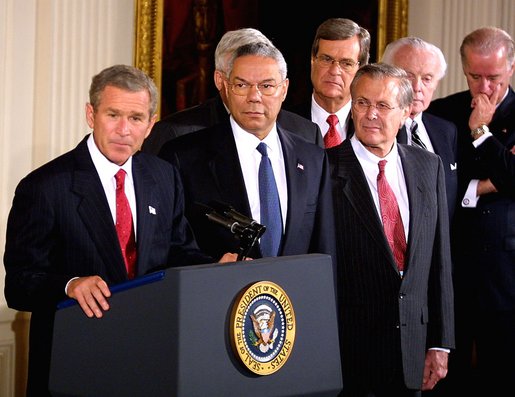
The Iraq Resolution, formally the Authorization for Use of Military Force Against Iraq Resolution of 2002, is a joint resolution enacted by the United States Congress in October 2002 and recorded as Public Law 107-243. Commonly called the Iraq War Resolution, it authorized the president to employ the U.S. armed forces to address threats posed by the government of Iraq and to enforce relevant United Nations resolutions. The measure is widely understood as the congressional authorization that preceded the 2003 invasion of Iraq.
Image gallery
3 Images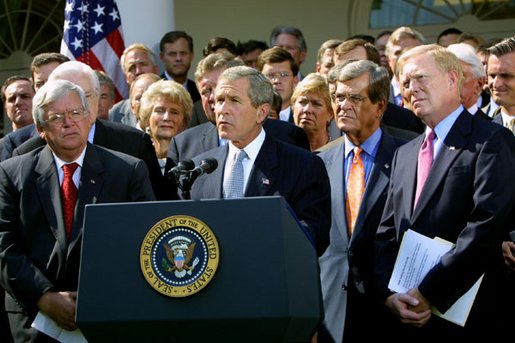

Key provisions
The resolution did not declare formal war but granted executive authority to use military force. Its main elements included:
- a congressional finding regarding threats presented by Iraq's alleged weapons programs and support for terrorism;
- authorization for the president to use "such force as he determines to be necessary and appropriate" to defend U.S. national security and enforce U.N. resolutions;
- a framework for operations intended to remove the Iraqi leadership's capacity to threaten the United States or its allies.
Legislative history and passage
The measure passed both chambers of Congress in the autumn of 2002 with bipartisan support and was signed by the president the same month. Supporters argued it provided necessary legal authority for military action if diplomatic efforts and inspections failed. Opponents raised concerns about the quality of available intelligence and the long-term consequences of military engagement.
Controversy and subsequent findings
Intelligence assessments about Iraq's possession of weapons of mass destruction were central to the case for authorization. Subsequent investigations and inspections concluded that the anticipated stockpiles and active programs had been overstated or absent, which fueled significant public and political debate about the decision-making that led to war. Constitutional questions — principally whether a congressional authorization could substitute for a formal declaration of war and the scope of presidential power under the resolution — also became subjects of legal and scholarly scrutiny.
Aftermath and significance
The resolution is historically significant for enabling the 2003 military invasion and the extended U.S. military presence that followed. It shaped debates about executive authority, congressional oversight of military force, and the use of intelligence in national security policymaking. The statute and its consequences remain frequently cited in discussions about how and when the United States should authorize overseas military action, and it is often compared with other authorizations such as the 2001 AUMF. For further primary documentation and legislative text, see the official record summarized as Public Law 107-243 and contemporary congressional materials available through military-related legislative archives.
Related articles
Author
AlegsaOnline.com Iraq Resolution (Authorization for Use of Military Force Against Iraq, 2002) Leandro Alegsa
URL: https://en.alegsaonline.com/art/48117
Sources
- gpo.gov : Authorization for Use of Military Force Against Iraq Resolution of 2002
- balkin.blogspot.com : blog post
- whitehouse.gov : "Joint Resolution to Authorize the Use of United States Armed Forces Against Iraq"