
Iraqi invasion of Kuwait (1990) — causes, course, and consequences
Iraq's 1990 invasion of Kuwait began on 2 August under Saddam Hussein, triggering international condemnation, UN sanctions and a US-led coalition that liberated Kuwait in 1991. Overview, causes, timeline, and aftermath.
Overview
The Iraqi invasion of Kuwait was a sudden cross-border assault launched on 2 August 1990 that occupied the Emirate of Kuwait and briefly placed it under Iraqi control. The action was ordered by Iraqi President Saddam Hussein and was presented by Baghdad as a response to economic and territorial grievances. It was widely described as a military campaign to occupy Kuwait, a small but oil-rich state on the Persian Gulf.
Image gallery
10 Images




Causes and claims
Iraq cited several reasons for the invasion: disputed debts from the Iran–Iraq War, long-standing claims that Kuwait had historically been part of Iraq, and allegations that Kuwait was extracting oil from Iraqi fields by slant drilling — an accusation often summarized as an oil dispute. These claims formed the public rationale even as geopolitical and economic pressures also played a part.
Course of the invasion
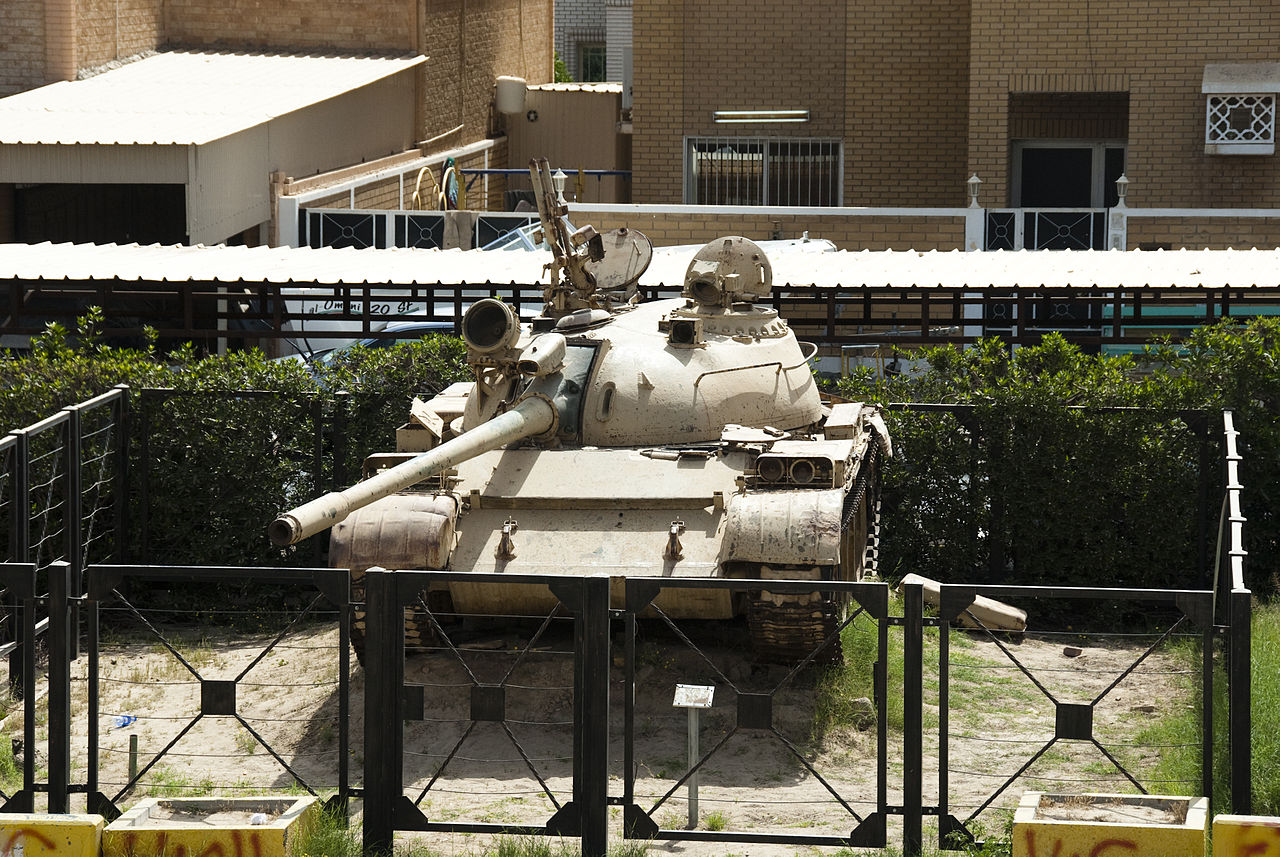
Iraqi forces moved rapidly into Kuwait and overwhelmed local defenses within days. Contemporary reporting described the deployment as involving tens of thousands of troops and several hundred tanks, producing a quick occupation and the flight of the Kuwaiti leadership. Baghdad announced a temporary annexation, declaring Kuwait the 19th province of Iraq, a step that was not accepted by the international community.
International response and military reversal
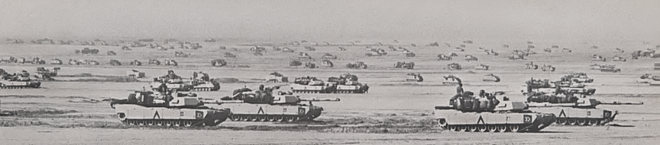
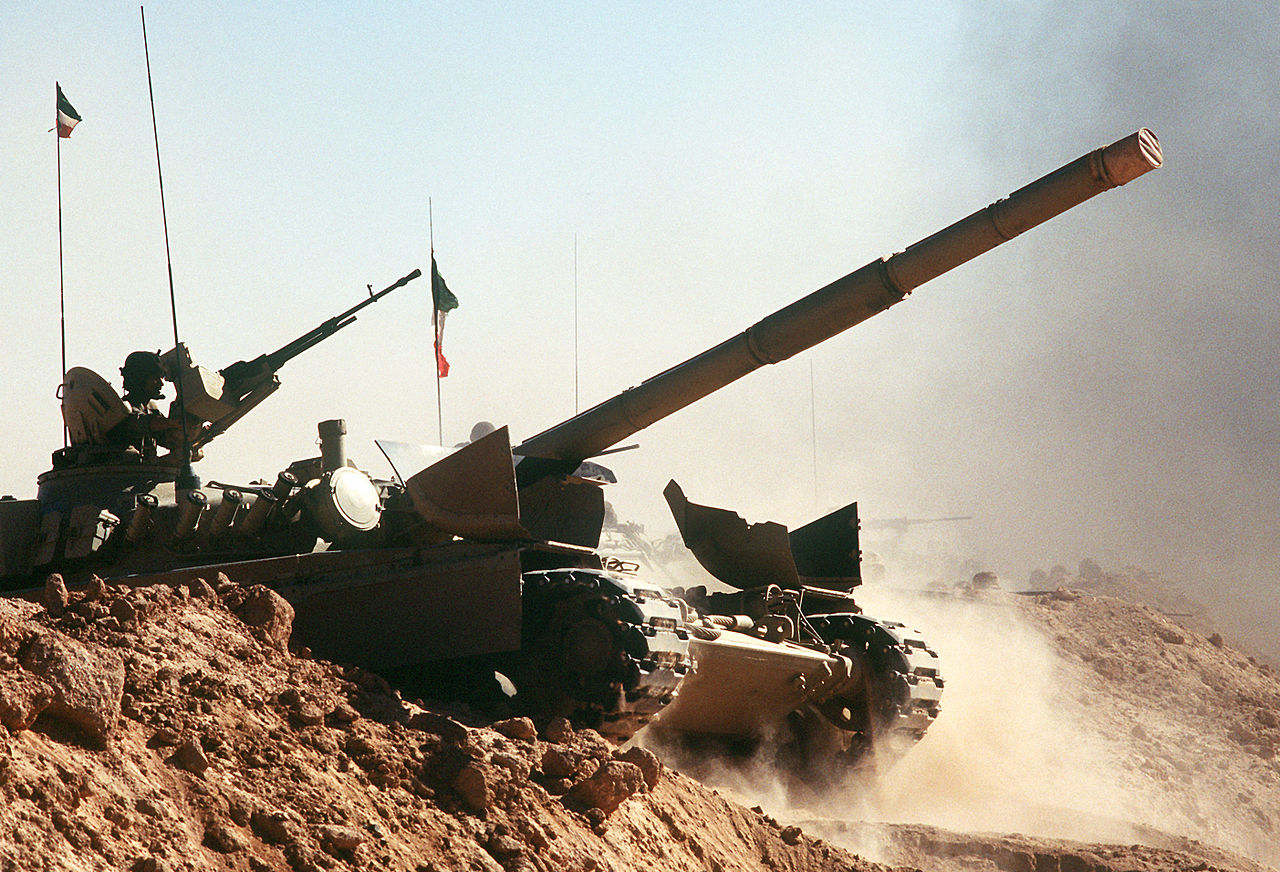
The occupation drew immediate global condemnation. The United Nations and most states rejected the annexation, imposed sanctions and passed resolutions demanding withdrawal. A US-led multinational coalition organized a defensive buildup (Operation Desert Shield) followed by a combat campaign (Operation Desert Storm) in early 1991 that used sustained air strikes and a ground offensive to expel Iraqi forces and restore Kuwaiti sovereignty.
Timeline (key events)
- 2 August 1990 — Iraqi forces enter Kuwait, rapid occupation.
- Late 1990 — UN condemns invasion, imposes sanctions and an oil embargo.
- January–February 1991 — Coalition air campaign and ground assault lead to Iraqi withdrawal and Kuwaiti liberation.
Aftermath and significance
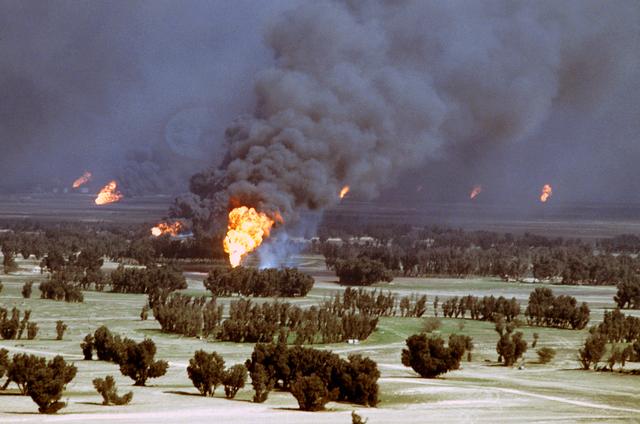
The invasion and liberation had lasting effects: large-scale environmental damage when retreating Iraqi forces set fire to oil wells; civilian displacement and casualties; long-term sanctions and inspections regimes on Iraq; and a sustained foreign military presence in the Gulf. The crisis reshaped regional security arrangements and became a defining episode in late 20th-century Middle Eastern politics.
Author
AlegsaOnline.com Iraqi invasion of Kuwait (1990) — causes, course, and consequences Leandro Alegsa
URL: https://en.alegsaonline.com/art/47895