
Antonov An-72 — Soviet/Ukrainian STOL transport (NATO: Coaler)
The Antonov An-72 is a twin‑jet, short‑takeoff‑and‑landing transport developed by the Antonov design bureau in the late 1970s. Known for its overwing engines and Arctic-capable derivatives.

Overview
The Antonov An-72 is a high‑wing, twin‑jet transport aircraft designed by the Antonov design bureau. First flown on 22 December 1977, it entered service in the 1980s and was built in limited numbers. The type is commonly identified by NATO as "Coaler" and was developed in the Soviet Union (USSR) before production and continued operations in independent Ukraine. It served civil and military roles, flying for state airlines and air forces in the Soviet era and after.
Image gallery
9 Images



Design and key characteristics
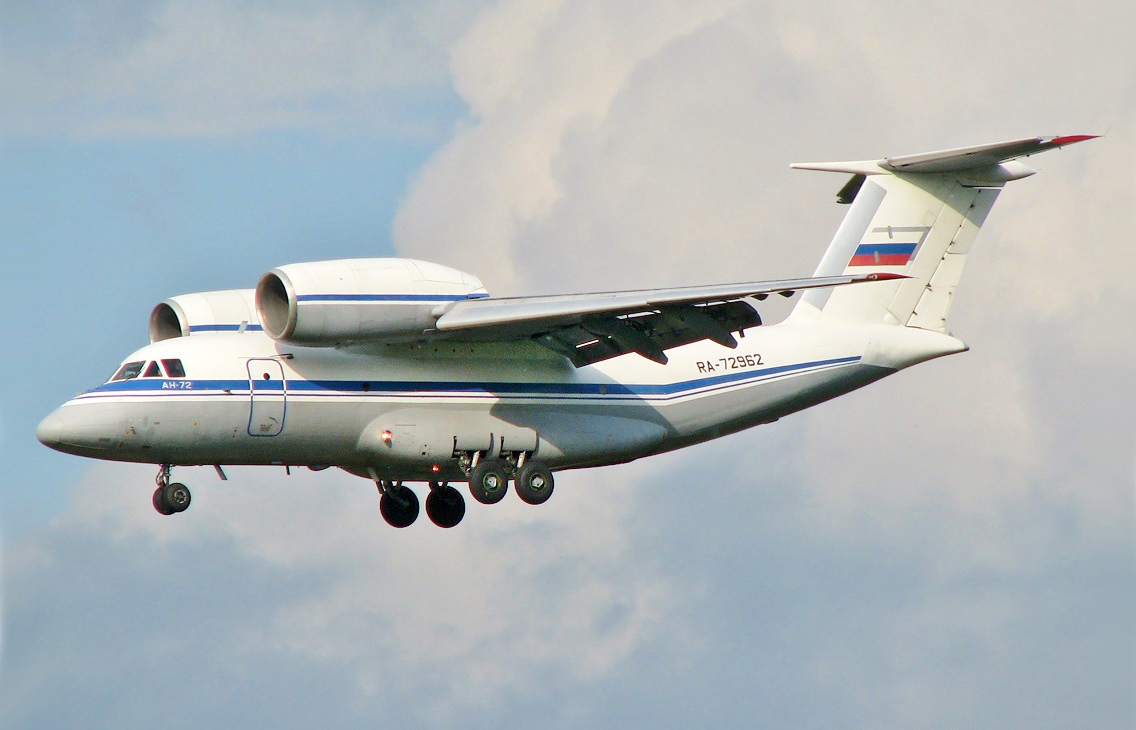
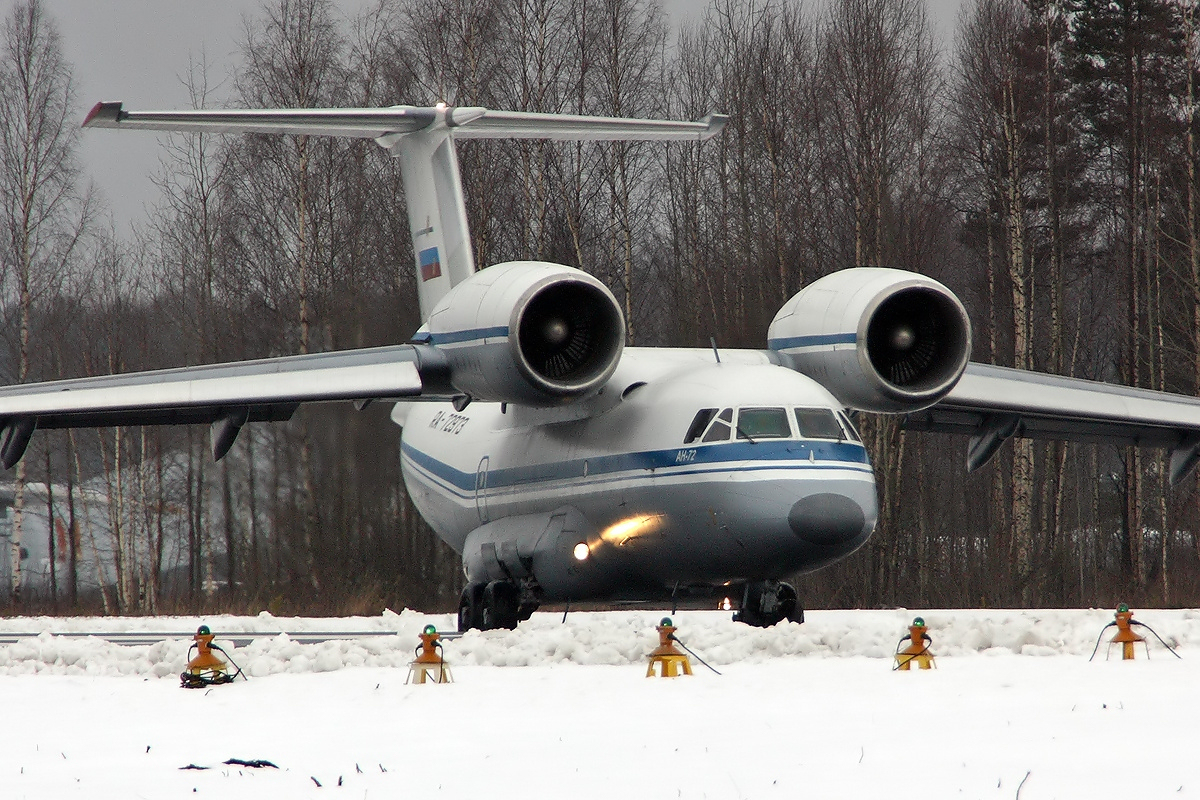
Distinctive features of the An-72 include its overwing installation of turbofan engines and a high, straight wing. Engines mounted above the wing direct exhaust across the upper wing surface, augmenting lift through the Coandă effect and improving short‑field performance. This arrangement helps the aircraft achieve short takeoff and landing (STOL) capability and operate from rough or unprepared runways.
The airframe includes a rear cargo ramp for loading vehicles and palletized freight, together with a flexible cabin that can be configured for passengers, troops, medevac, or freight. The powerplant commonly associated with the type is from the Lotarev (Ivchenko) family of turbofans, giving the An-72 a balance of thrust and fuel efficiency suitable for regional tactical transport missions.
Development and variants
Work on the An-72 began in the 1970s as Antonov sought a compact transport with excellent STOL performance. Production runs occurred mainly in the 1980s and early 1990s. The family spawned several variants: the An-74 was adapted for Arctic and cold‑weather operations with modifications for polar use; the An-71 served as an airborne surveillance prototype with specialized radomes and mission equipment. The original An-72 series formed the baseline transport from which these derivatives evolved.
Operators and operational use
- Former civil operator: Aeroflot
- Military operators: post‑Soviet air arms including the Russian Air Force and the Ukrainian Air Force
- Other users in government and civilian roles across northern and regional routes
Aircraft of this class have been used for tactical transport, short regional hops, supply to remote outposts, and specialized roles such as aerial survey and scientific support flights. The An-74 variant in particular was prized for polar logistics because of improved systems for cold climates.
Notable facts and legacy
The An-72's unusual overwing engine placement makes it easily recognizable and illustrates an aerodynamic approach to improving low‑speed lift without resorting to extremely large flaps or high‑power piston engines. Production figures were modest; a limited number were built between the mid‑1980s and early 1990s. The aircraft remains of interest both as an example of Soviet aerospace design and as a practical solution where STOL capability and rugged field performance are required.
For further historical and technical context see sources associated with the manufacturer and nation of origin: USSR and Ukraine.
Tags
Related articles
Author
AlegsaOnline.com Antonov An-72 — Soviet/Ukrainian STOL transport (NATO: Coaler) Leandro Alegsa
URL: https://en.alegsaonline.com/art/4780