
Iwan: vaulted, open-ended hall in Persian and Islamic architecture
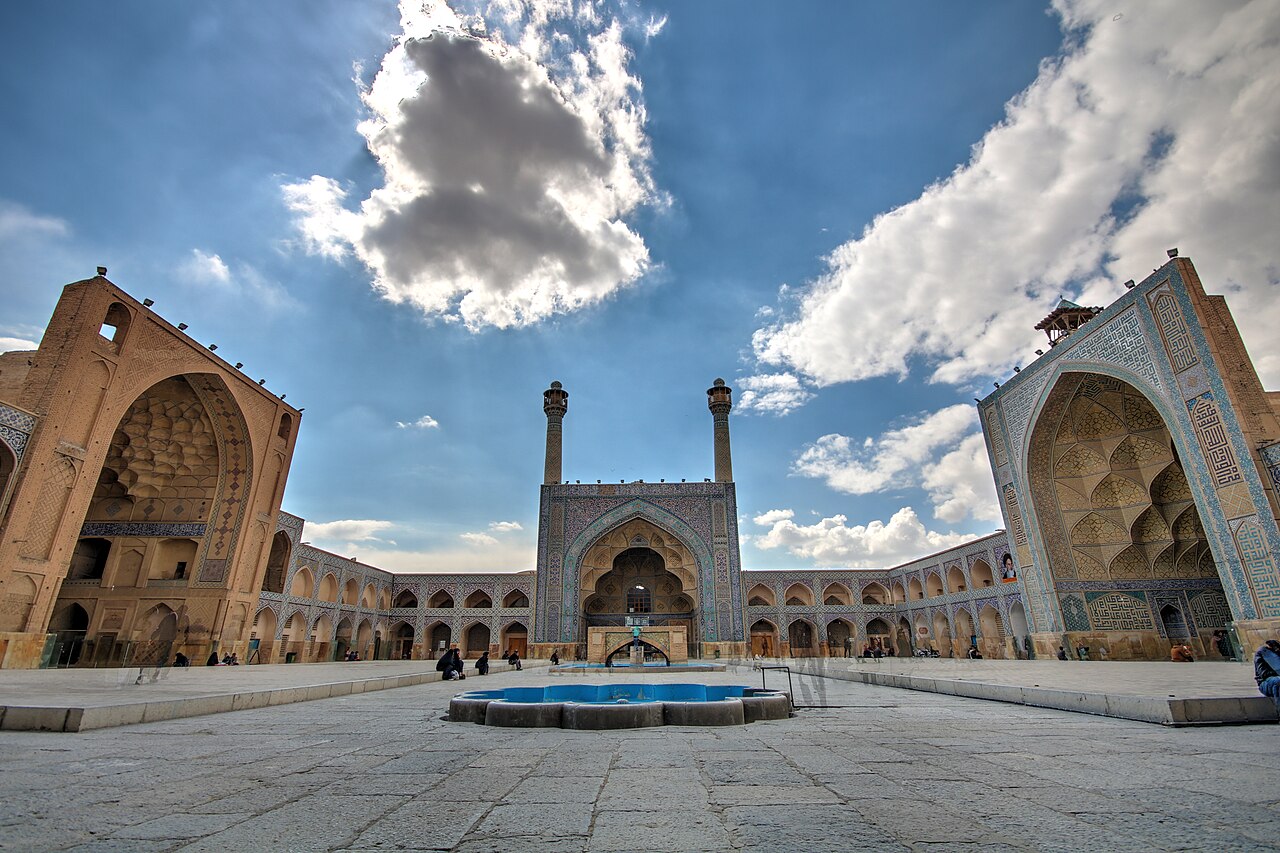
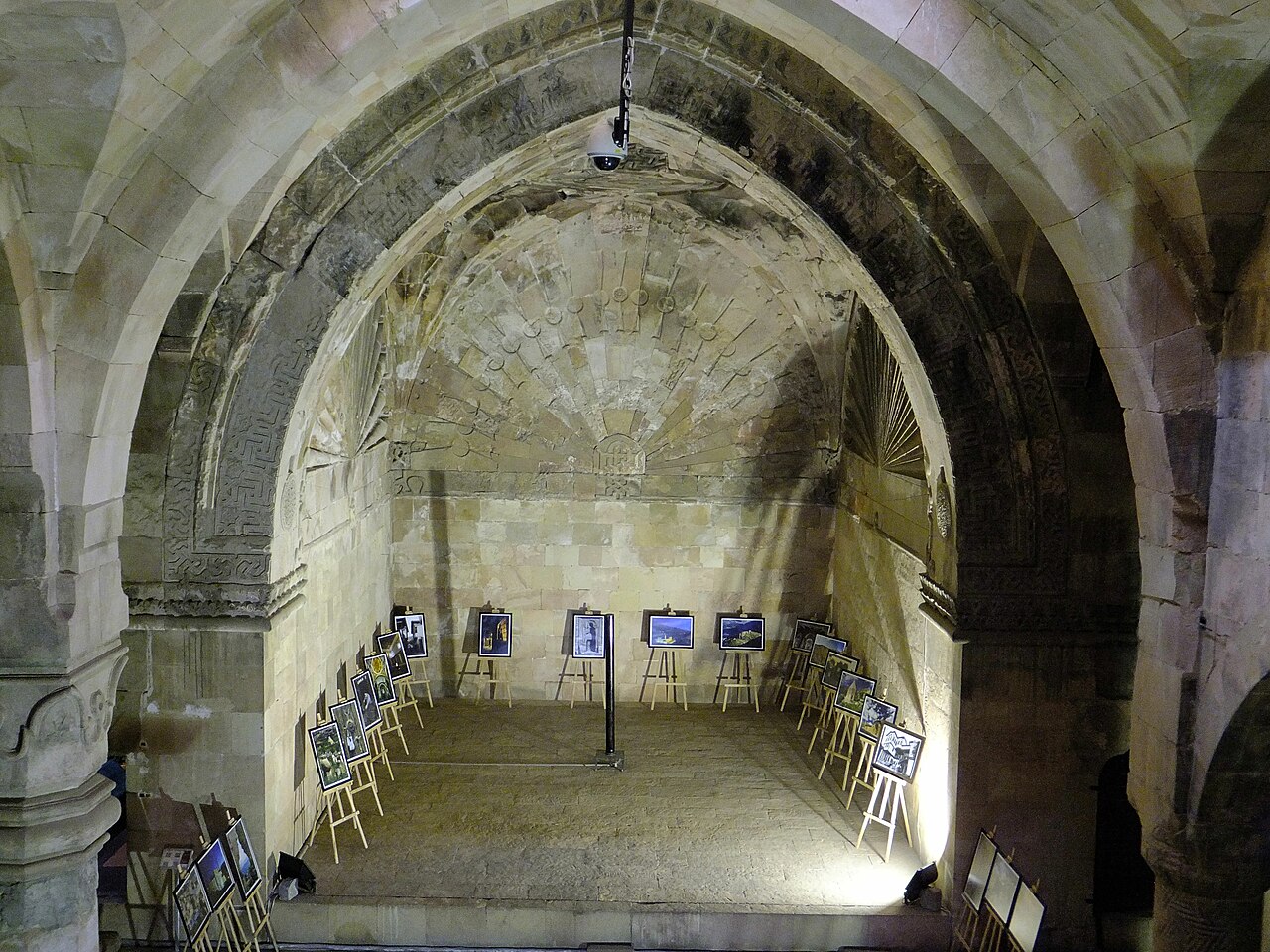
An iwan is a vaulted space, closed on three sides and open on one. Originating in late antique Persia, iwans became a prominent feature of Islamic architecture, used in mosques, palaces and houses.
Overview
An iwan is a vaulted hall or chamber that is enclosed on three sides and open on the fourth. The term comes from a Persian word and designates a distinctive architectural element: a deep recess with a high, often barrel-shaped or pointed vault, whose open face typically overlooks a courtyard or urban space. Functionally and visually, the iwan creates a transitional zone between interior and exterior.
Image gallery
10 Images





Design and construction
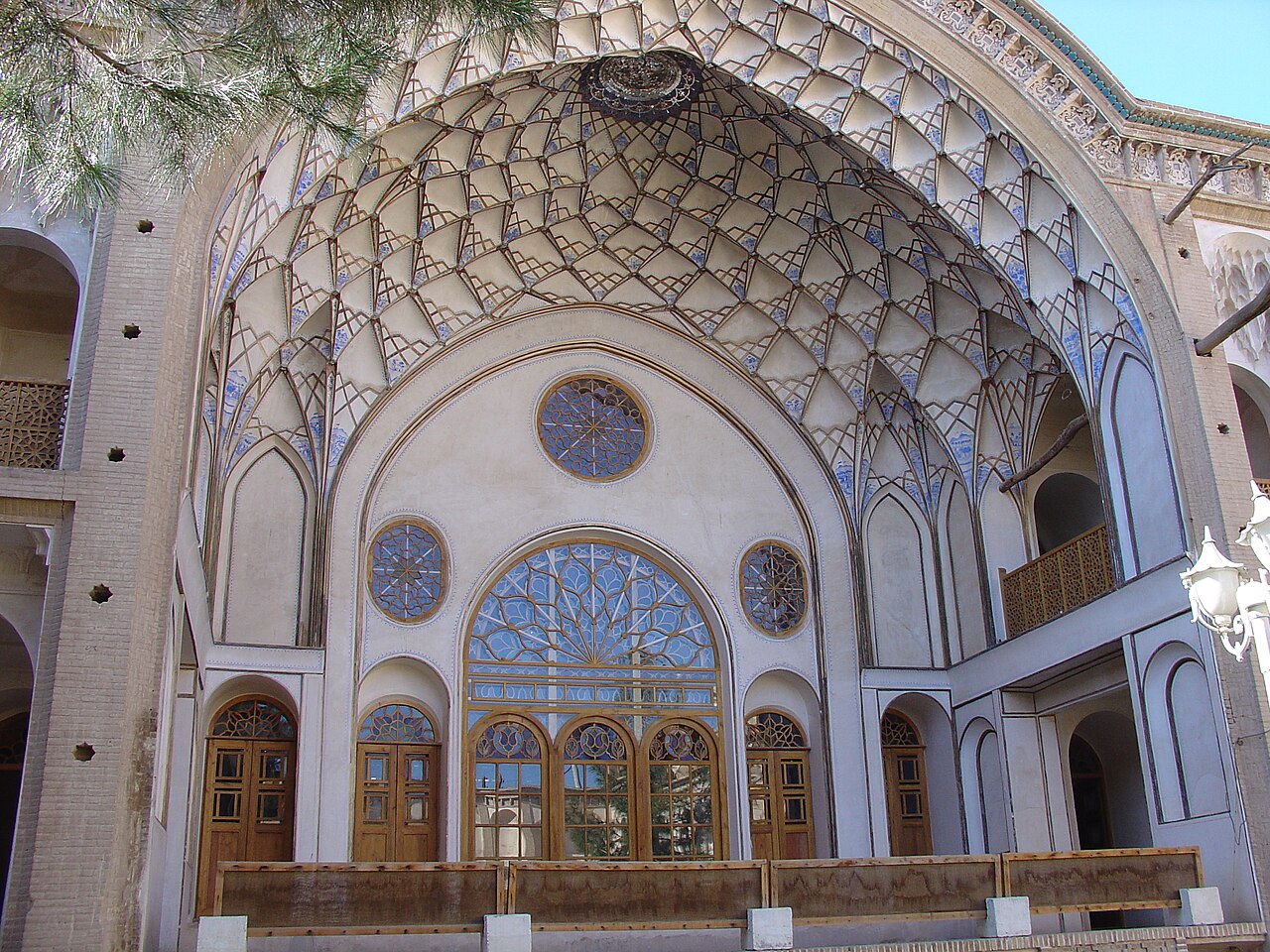
Key characteristics of an iwan include the three-sided enclosure, the large open façade, and a load-bearing vaulted roof. Early iwans used barrel vaulting; later examples show pointed arches and complex vaulting techniques. Surfaces were commonly decorated with tilework, stucco, carved stone, or muqarnas (stalactite-like ornamentation), which emphasized the iwan's scale and framed its opening.
History and development
The iwan form is closely associated with late antique and Sassanian-era Persia and was incorporated into Islamic building traditions after the seventh-century Arab conquests. From those origins it spread and evolved across Persia, Central Asia, Anatolia and parts of the Islamic world. In medieval Iranian monumental architecture the arrangement of multiple iwans around a central open court became a distinctive plan type.
Functions and examples
Iwans serve multiple roles: they provide shaded, ventilated gathering spaces in hot climates; act as ceremonial stages for rulers; and form the grand entrances to mosques, madrasas, palaces and caravanserais. Famous examples include the great Sassanian iwan of Taq Kasra at Ctesiphon and the four-iwan plan developed in many mosque complexes, for instance the congregational or Friday mosques of Iran. Many historians point to the iwan's adaptability as a reason it persisted across centuries and regions.
Variations and notable facts
- Single iwan: a solitary vaulted opening providing access or emphasis.
- Four-iwan plan: four large iwans positioned on the sides of a central courtyard, a hallmark of Persian mosque and madrasa design.
- Decorative treatments: tile mosaics, mosaicked inscriptions and muqarnas often mark the transition from façade to vault.
For further study see discussions of the term in its original language etymology and definitions, technical descriptions of how the three-sided enclosure works in practice structural analyses, typical courtyard relationships site planning, and the role of the iwan in later mosque and madrasa design within Islamic architecture. These resources provide entry points into the form's long history and continuing influence.
Related articles
Author
AlegsaOnline.com Iwan: vaulted, open-ended hall in Persian and Islamic architecture Leandro Alegsa
URL: https://en.alegsaonline.com/art/48736