
Jean Anthelme Brillat-Savarin — French jurist, gastronome and author of The Physiology of Taste
French lawyer and politician (1755–1826) celebrated for The Physiology of Taste and the aphorism “Tell me what you eat…”. Influential in founding gastronomic writing and inspiring culinary culture.
Jean Anthelme Brillat-Savarin (1755–1826) was a French lawyer, public official and writer who became famous as a gastronome. He is best known for The Physiology of Taste, a collection of essays and aphorisms on food, dining and pleasure that helped establish gastronomic writing as a literary genre. His name is also associated with a rich triple-cream cheese produced in Normandy; for the cheese see Brillat-Savarin (cheese) and the region of Normandy and its culinary traditions on the cheese page.
Image gallery
9 Images



Life and career
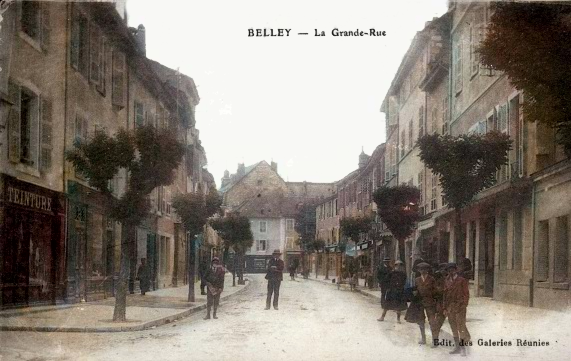
Brillat-Savarin was born in Belley, in the department of Ain, and died in Paris. Trained in law, he worked as a lawyer and occupied several public and judicial posts during a turbulent period in French history. His experiences as a magistrate and a public figure informed his reflections on civic life, society and the rituals surrounding meals.
The Physiology of Taste
Published in 1825 after years of note-taking and revision, The Physiology of Taste (originally Physiologie du Goût) combines anecdote, practical advice, anecdotal history and philosophical observation. Brillat-Savarin explored digestion, appetite, the pleasures of the table and the social meaning of eating. He favored clear, often witty maxims such as the famous line, “Tell me what you eat, and I will tell you who you are,” which expresses his view that food choices reveal character and culture.
Influence and themes
Brillat-Savarin helped to define the figure of the modern epicure: a thoughtful, observant lover of food and company. He is frequently mentioned alongside contemporaries like Grimod de La Reynière as a founder of the gastronomic essay. His work influenced cooks, writers and the emerging culinary press by treating taste as worthy of serious reflection and by mixing science, history and humor. He is often described as a prominent gastronome in studies of food history.
Legacy and notable facts
- Major work: The Physiology of Taste (Physiologie du Goût), 1825.
- Famous aphorisms and short essays that continue to be quoted in culinary culture.
- His name adorns a style of French cheese, reflecting how culinary reputation can cross from writing to production.
Brillat-Savarin remains a touchstone for anyone studying how food shapes identity and society. His blend of practical culinary observation and philosophical musing created a model for later food writers and helped to elevate gastronomy to a subject of cultural significance.
Questions and answers
Q: Who was Jean Anthelme Brillat-Savarin?
A: Jean Anthelme Brillat-Savarin was a French lawyer and politician who gained fame as an epicure and gastronome.
Q: Where was he born?
A: He was born in Belley, Ain on April 1st, 1755.
Q: What is the famous quote attributed to him?
A: The famous quote attributed to him is "Tell me what you eat, and I will tell you who you are."
Q: What type of cheese is named after him?
A: A cheese from Normandy is named after him - Brillat-Savarin cheese.
Q: When did he die?
A: He died on February 2nd, 1826 in Paris.
Q: How did he become famous?
A: He became famous as an epicure and gastronome.
Q: Who wrote about him and effectively founded the whole genre of the gastronomic essay?
A: Grimod and Brillat-Savarin wrote about each other and effectively founded the whole genre of the gastronomic essay.
Related articles
Author
AlegsaOnline.com Jean Anthelme Brillat-Savarin — French jurist, gastronome and author of The Physiology of Taste Leandro Alegsa
URL: https://en.alegsaonline.com/art/49693