
Illimani: Prominent Peak of the Bolivian Andes
Illimani is a 6,438 m glaciated mountain in the Cordillera Real near La Paz, Bolivia. A striking landmark, it is culturally important and a popular objective for experienced mountaineers.
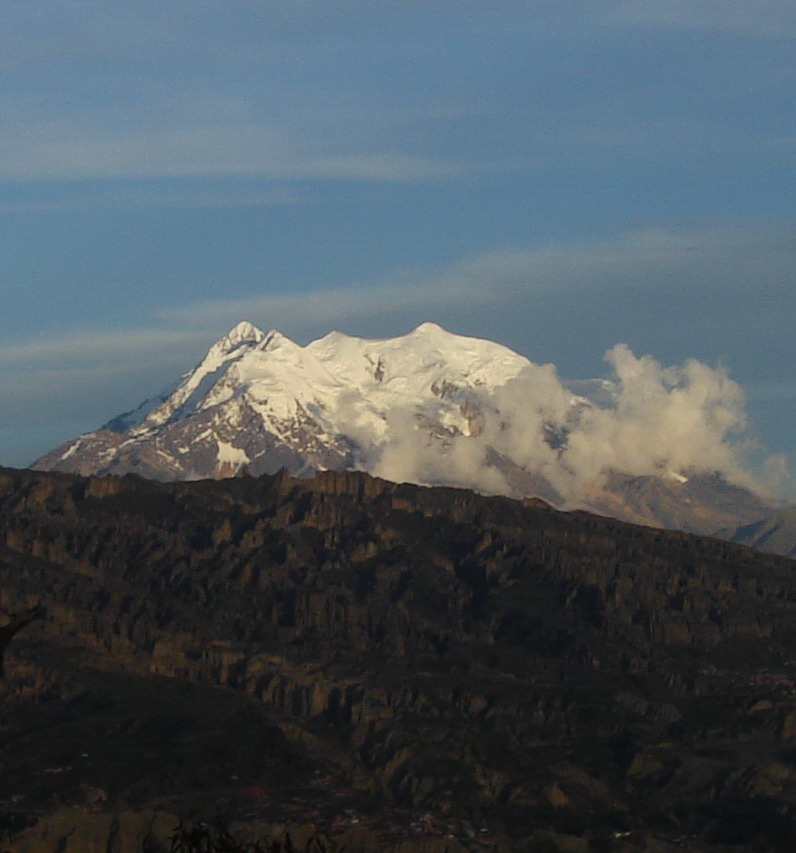
Illimani rises to 6,438 metres (21,122 ft) and dominates the skyline southeast of La Paz in Bolivia. It is part of the high Andes and belongs to the subrange commonly called the Cordillera Real. The peak is immediately recognizable from the city and is often regarded as a symbol of the region.
Image gallery
8 Images



Physical characteristics
Illimani is a glaciated massif with steep ridges and several secondary summits. Its permanent snowfields and icecaps feed valley glaciers and seasonal streams. Weather on and around the mountain can be severe, with rapid changes in wind, temperature and visibility that affect travel and climbing.
Geology and formation
Like the rest of the Andes, Illimani formed through the long process of continental collision and uplift known as the Andean orogeny. Glacial erosion has shaped its faces and cirques, leaving sharp ridgelines and moraine deposits in the surrounding valleys. The mountain’s landscape records both tectonic uplift and repeated glaciations.
Human significance and history
Illimani has cultural importance for indigenous communities of the altiplano and is frequently referenced in local art and song. It has been visible to generations of city residents and travellers and figures in the identity of La Paz. Mountaineering activity on Illimani dates back to the era when high-Andean peaks first attracted scientific and exploratory expeditions.
Climbing and access
The mountain is a well-known objective for climbers, offering routes of varying technical difficulty that require experience with snow, ice and high altitude. Approaches typically begin from towns in the La Paz region; proper acclimatization and preparation are essential. Seasonal conditions, crevasses and avalanches make experienced leadership and up-to-date local information important for safety.
Notable facts and conservation
- Elevation and rank: Illimani stands at 6,438 m and is recognised in some listings as the 17th highest peak in the Andes.
- Environmental concerns: Its glaciers have shown retreat in recent decades, reflecting broader climate trends affecting tropical Andean ice.
- Tourism and education: The mountain supports local guiding services and serves as a subject for scientific study of high-altitude glaciology and climate.
Visitors and researchers interested in Illimani should consult local authorities and experienced operators for route information, permits and safety guidance before travel.
Related articles
Author
AlegsaOnline.com Illimani: Prominent Peak of the Bolivian Andes Leandro Alegsa
URL: https://en.alegsaonline.com/art/46723