
Illegal drug trade: overview, markets, impacts and enforcement
A concise, neutral overview of the illegal drug trade: what it is, how production and distribution work, common substances, social and economic impacts, law enforcement responses, and notable distinctions.
Overview
The illegal drug trade, commonly described as a type of global black market, encompasses the cultivation, manufacture, transport and sale of substances that national laws or international agreements prohibit. Some psychoactive substances are sold and possessed legally in regulated forms in parts of the world, but many remain banned in whole or in part; distinctions between legal and illegal supply chains vary by jurisdiction. Examples frequently associated with illicit markets include heroin, cocaine and certain forms of cannabis, though policy and enforcement differ widely.
Image gallery
10 Images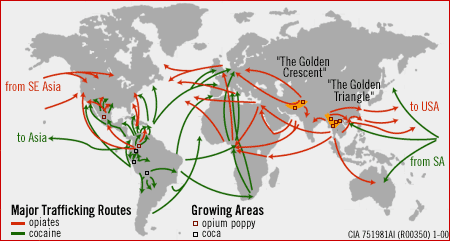


Production, trafficking and markets
The trade typically follows a supply chain beginning with cultivation or chemical synthesis, through processing and logistics, to wholesale and retail distribution. Large criminal networks coordinate cross-border transport, while smaller local dealers manage street-level sales. The movement of narcotics is often accompanied by ancillary criminal activities such as money laundering, smuggling of precursor chemicals, and corruption. Law enforcement and research literature frequently use the term distribution to describe the logistic component of these networks.
Common substances and examples
- Opioids: natural or synthetic compounds including illicit heroin and diverted pharmaceutical opioids.
- Stimulants: including illegal forms of cocaine and manufactured methamphetamines.
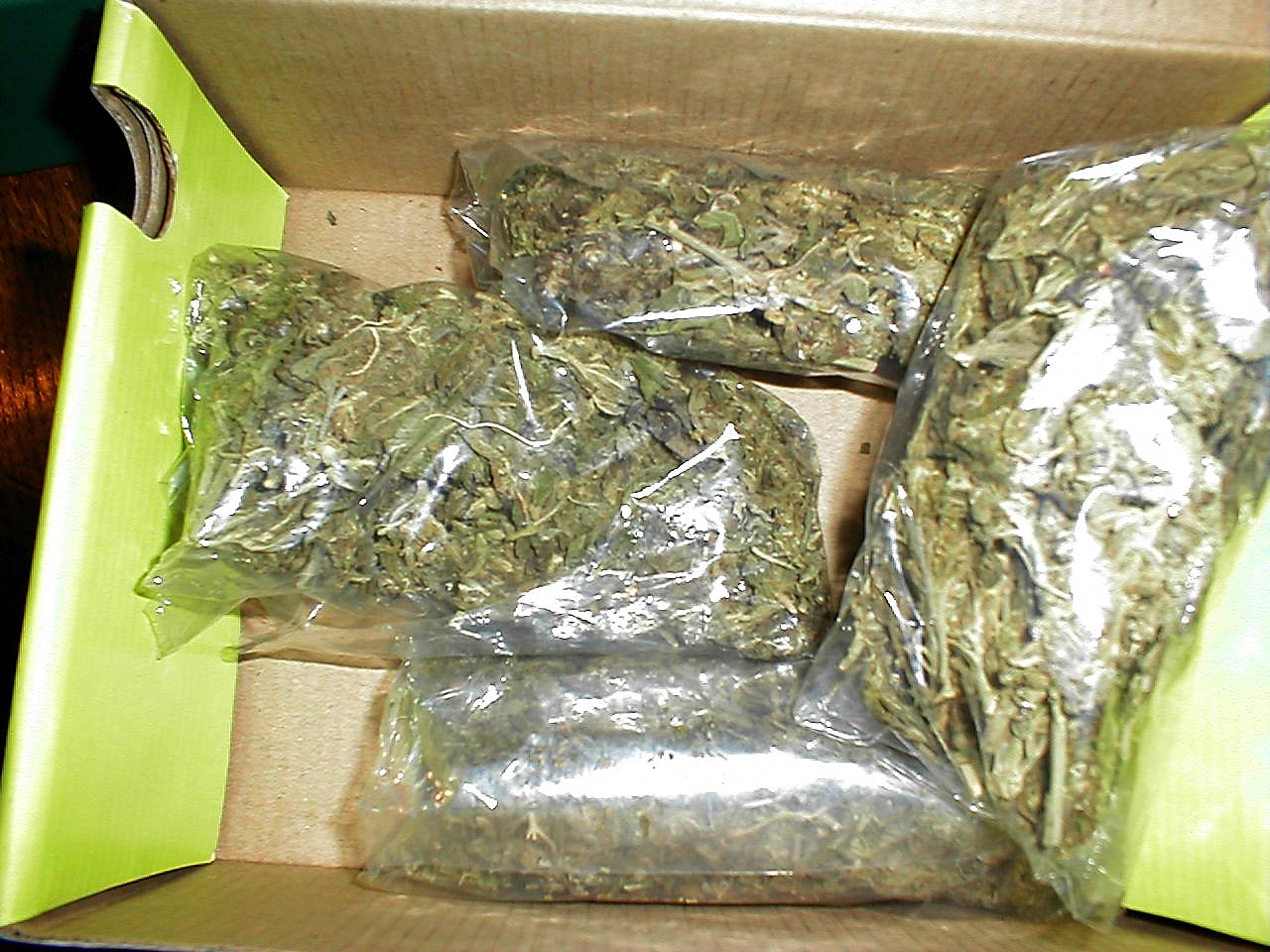
- Cannabis: ranges from illegal markets in some places to regulated sales in others.
Impacts and law enforcement
The illicit drug trade creates public health challenges, fuels violence in some regions, and can destabilize institutions through corruption and organized crime. Responses include criminal enforcement, demand-reduction strategies such as treatment and prevention, and harm-reduction policies. Sanctions for trafficking vary: many countries impose lengthy sentences and imprisonment, while a minority retain capital punishment for certain drug offenses and may apply the death penalty in extreme cases.
History, governance and trends
Illicit drug markets have existed for centuries in one form or another, adapting to changing demand, technologies, and legal regimes. Modern international responses combine criminal law, public health initiatives, and multilateral agreements. Shifts toward decriminalization or medical regulation in some jurisdictions have altered local markets and policy debates, illustrating that the phenomenon is shaped by legal choices as much as by supply and demand.
Notable distinctions and further resources
It is important to distinguish between possession for personal use, small-scale dealing, organized trafficking and the manufacture of controlled substances — legal consequences and social impacts differ substantially. For additional summaries, regulatory outlines, and case studies see brief resources on the subject: black market overview, distribution models, legal frameworks, and profiles of specific substances such as heroin and cocaine. For information on penalties and corrections policies consult publications addressing imprisonment and capital punishments in drug law (death penalty references).
Related articles
Author
AlegsaOnline.com Illegal drug trade: overview, markets, impacts and enforcement Leandro Alegsa
URL: https://en.alegsaonline.com/art/46715