
Black market
Overview of black markets: illegal trade outside regulated channels; typical goods and harms, economic drivers, organization and technology, measurement challenges, and policy responses.
Overview
The term "black market" denotes the buying and selling of goods or services outside formal legal and regulatory frameworks, often described as illegal trade. Such activity can overlap with but is distinct from broader informal or unregulated activity that forms part of the informal economy. Black markets vary by scale, from small local exchanges to large transnational networks.
Image gallery
8 Images


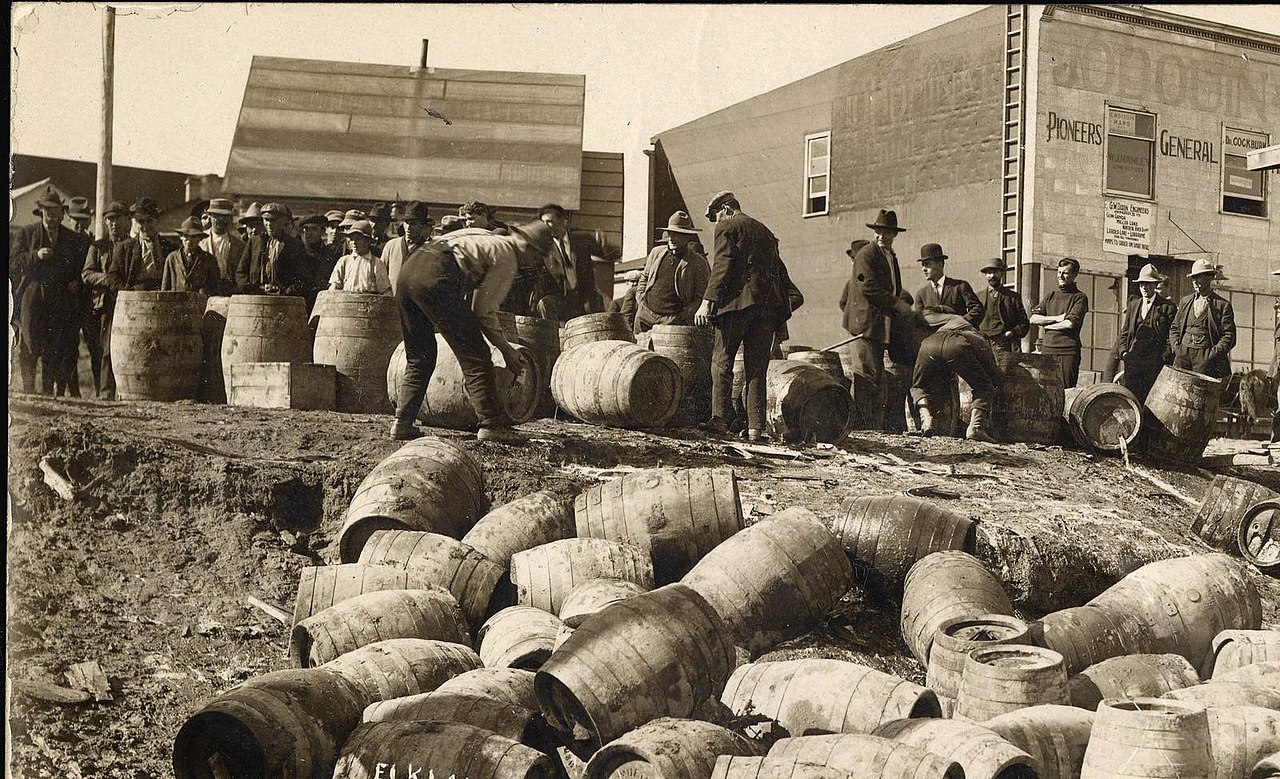

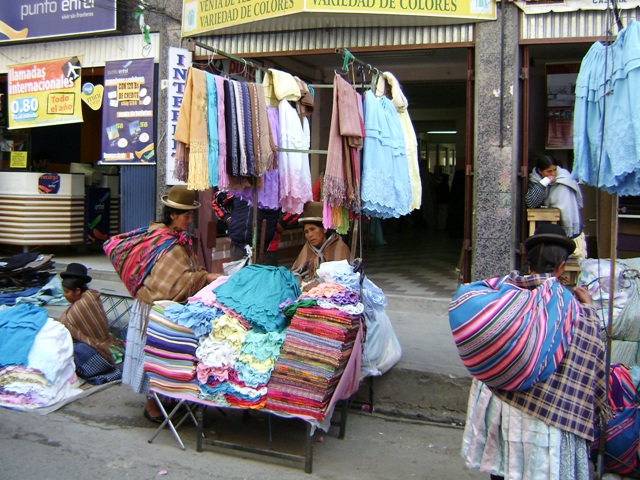

Characteristics and mechanisms
Black markets operate according to ordinary economic principles, in particular supply and demand, but their functioning is shaped by secrecy, risk and the avoidance of formal institutions. Participants substitute private enforcement, reputation, and trust-based networks for public courts. Payment methods and logistics are adapted to reduce detection: cash, barter, smuggling routes, or informal financial channels are common.
Common goods, services and harms
Items traded on black markets include stolen or counterfeit products, controlled substances, weapons, and a range of prohibited or restricted goods and services. Typical categories include narcotics, illicit arms such as those described in discussions of arms trafficking, and the exploitation of people, including human trafficking and forced labour. Sex work that operates outside legal frameworks is often grouped with illicit markets, for example prostitution where it contravenes local law. Economically, some illicit goods can be cheaper because taxes and compliance costs are avoided, while others command a premium because of scarcity and risk.
Causes, pricing and economic logic
Black markets emerge where prohibitions, heavy regulation, high taxes, shortages or enforcement gaps create incentives to trade outside legal channels. Prices reflect risk and scarcity: goods produced or moved under dangerous conditions—such as in the drug trade—often sell at markedly higher prices than comparable legal items, whereas untaxed or stolen goods may appear cheaper. The market logic remains driven by supply and demand but includes added premiums for secrecy and enforcement risk.
Organization, technology and corruption
Organization ranges from opportunistic sellers to highly structured criminal enterprises. Corruption of officials can facilitate cross-border smuggling or protection of operations. Advances in technology have changed how illicit transactions are arranged: encrypted messaging, anonymizing networks and online marketplaces can reduce some frictions but also create new vulnerabilities and enforcement challenges. Markets sometimes mirror licensed markets in complexity but lack public oversight.
Measurement and research challenges
Because illicit activity is hidden, reliable measurement is difficult. Researchers use indirect methods—seizure data, surveys, economic modelling and forensic accounting—to estimate scale and trends. Comparing illegal activity with nearby legal activity can illuminate dynamics; analysts also contrast illicit trade with the grey market, where goods are legal but sold outside authorised channels, to clarify legal status versus distribution channel differences.
Social and economic impacts
Black markets can cause a range of harms: public health risks from unregulated products, loss of tax revenue, undermining of legitimate businesses, and links to organised crime and violence. Vulnerable populations may suffer disproportionately when exploitation or unsafe goods are involved. Yet some policy analysts caution that strict prohibition can also create perverse incentives that sustain illicit markets.
Policy responses
Governments and international bodies respond through enforcement, border controls, licensing reforms, demand-reduction measures such as education and treatment, and harm-reduction policies that aim to reduce the worst consequences of illicit markets. Effective responses often combine law enforcement with regulatory change and international cooperation, as well as measures to strengthen institutions and reduce corruption. For foundational ideas about market behaviour and interventions, see resources on economic principles and supply and demand.
- Typical categories: narcotics, weapons, stolen and counterfeit goods, illicit wildlife products, human trafficking and illicit labour.
- Measurement: indirect estimation using seizures, surveys and economic methods.
- Policy tools: enforcement, regulation, harm reduction, international cooperation and institutional reform.
For introductions or specific case studies, consult material on traded goods and services, the structure of the informal economy, or thematic studies of arms, human exploitation and sex trade issues. Overviews of illicit markets and policy debates are available across academic and policy literature that examine the interplay of law, economics and social consequences; summaries and targeted policy reviews can provide further context and sources for deeper study. For general background on trade issues, see resources on illegal trade and practical guides to understanding market drivers (grey vs black markets).
Related articles
Author
AlegsaOnline.com Black market Leandro Alegsa
URL: https://en.alegsaonline.com/art/11939