
Icing (food): types, ingredients, history and uses
Icing, also called frosting, is a sweet paste used to coat and decorate cakes and pastries. This article explains common ingredients, major types, history, decorating techniques and useful distinctions.
Overview
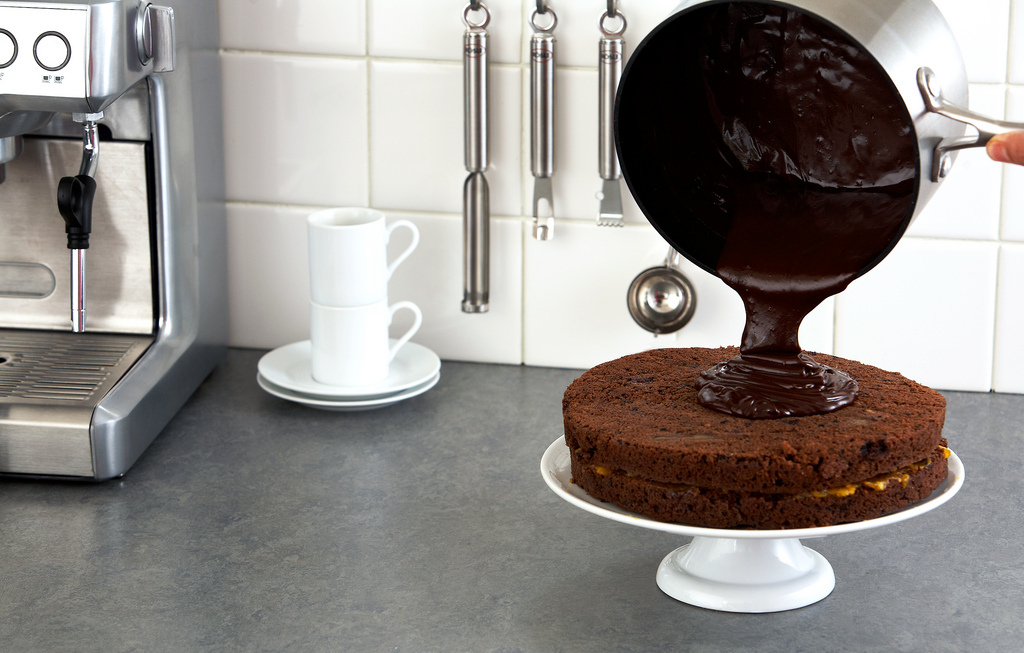
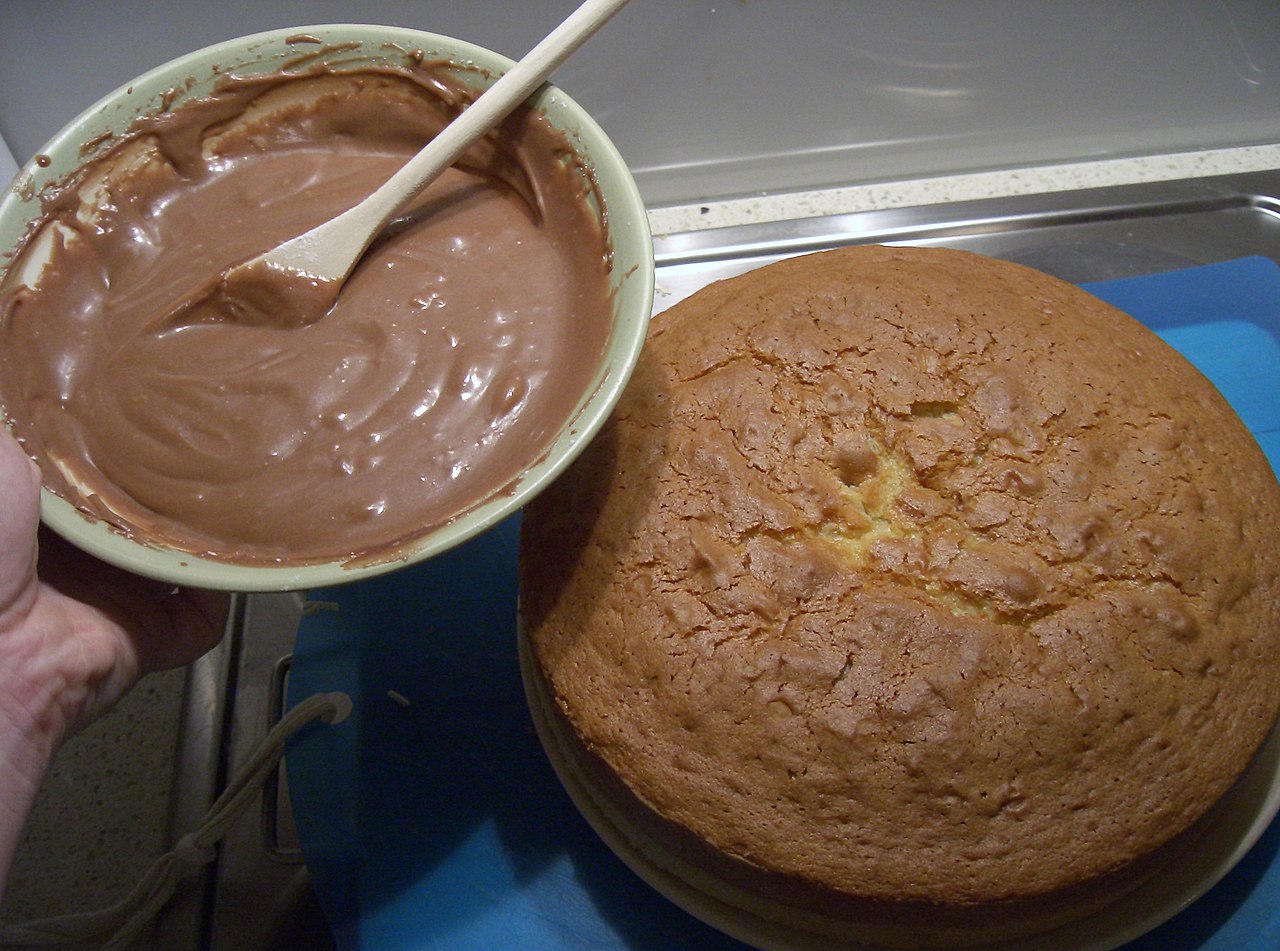
Icing, commonly called frosting in some regions, is a sweet, spreadable or pipeable coating applied to cakes, cupcakes, cookies and other baked goods. Its main role is to add sweetness and visual appeal, but it can also provide texture, moisture retention and a surface for decorations. Traditional icings are sugar-based and vary from thin glazes to thick, sculpted buttercreams.
Image gallery
10 Images


Ingredients and common types
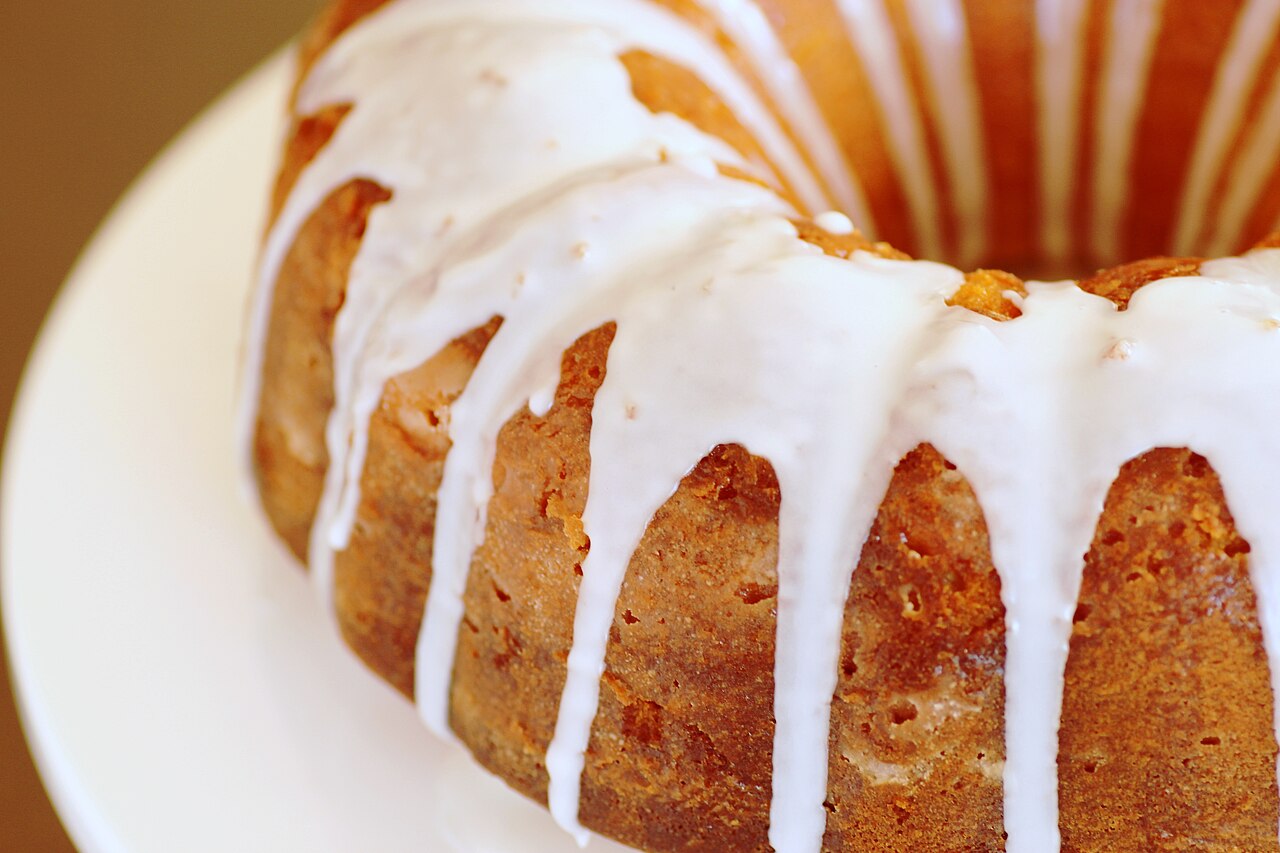
Basic icings are built from a few standard components: powdered sweetener, a liquid, and a fat or protein to bind and stabilize. For example, simple glaze uses sifted powdered sugar and water or juice, while buttercream combines sugar with butter and sometimes egg whites. Other common categories include:
- Glaze: thin, pourable coatings that set firm and glossy.
- Buttercream: rich and creamy, versatile for spreading and piping.
- Royal icing: egg-white or meringue powder based, dries hard for intricate decoration.
- Fondant: rolled or poured forms that create smooth, sculpted surfaces.
History and development
Sweet icings developed alongside refined sugar and advances in baking. Early simple glazes appeared where confectioners could access powdered sweeteners; more elaborate buttercreams and royal icings became practical with better refrigeration, access to butter and eggs, and refinements in pastry techniques. Over time, regional tastes and technological changes—such as the availability of shortening and meringue powder—led to a wide range of styles still used today.
Uses, techniques and examples
Icing is central to celebratory and everyday baking. It dresses birthday and wedding cakes, covers fruitcakes and is used to embellish seasonal treats such as Christmas cake. Techniques include spreading, piping, flooding (for sugar cookies), and tempering when working with fondant. Stabilizers like cream cheese, gelatin or meringue powder modify texture and shelf life for specific uses.
Variations and notable distinctions
Different icings are chosen for durability, flavor and appearance. For example, royal icing dries hard and is preferred for lace-like decorations, while buttercream is prized for taste and ease of shaping. Fondant gives a smooth finish suitable for sculpted figures. Flavorings, colorings and edible finishes change the sensory profile without altering the basic functions of icing.
Related articles
Author
AlegsaOnline.com Icing (food): types, ingredients, history and uses Leandro Alegsa
URL: https://en.alegsaonline.com/art/46480