
Icebreaker (ship): vessels built to operate in ice-covered waters
Icebreakers are specialized ships with strengthened hulls and powerful propulsion to navigate and clear ice for navigation, research, and supply in polar and seasonally frozen regions.
An icebreaker is a vessel specially built to move through ice-covered waters and create navigable channels for other ships. These vessels combine reinforced structures and extraordinary propulsion to break, push aside, or ride up on sea ice, allowing marine traffic and operations in polar regions and seasonally frozen bays and rivers. For a basic definition see ship.
Image gallery
10 Images


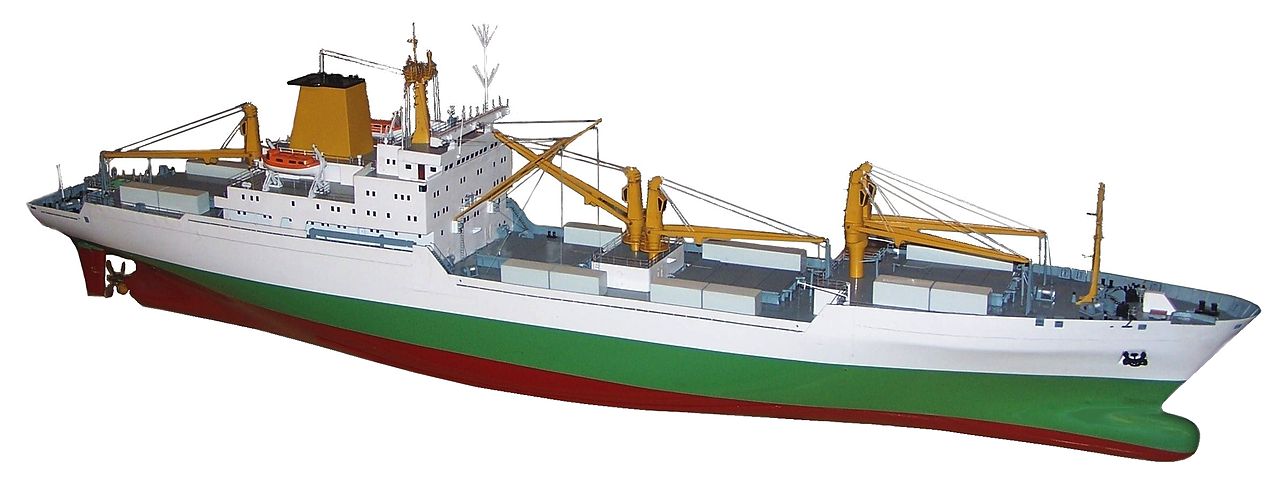
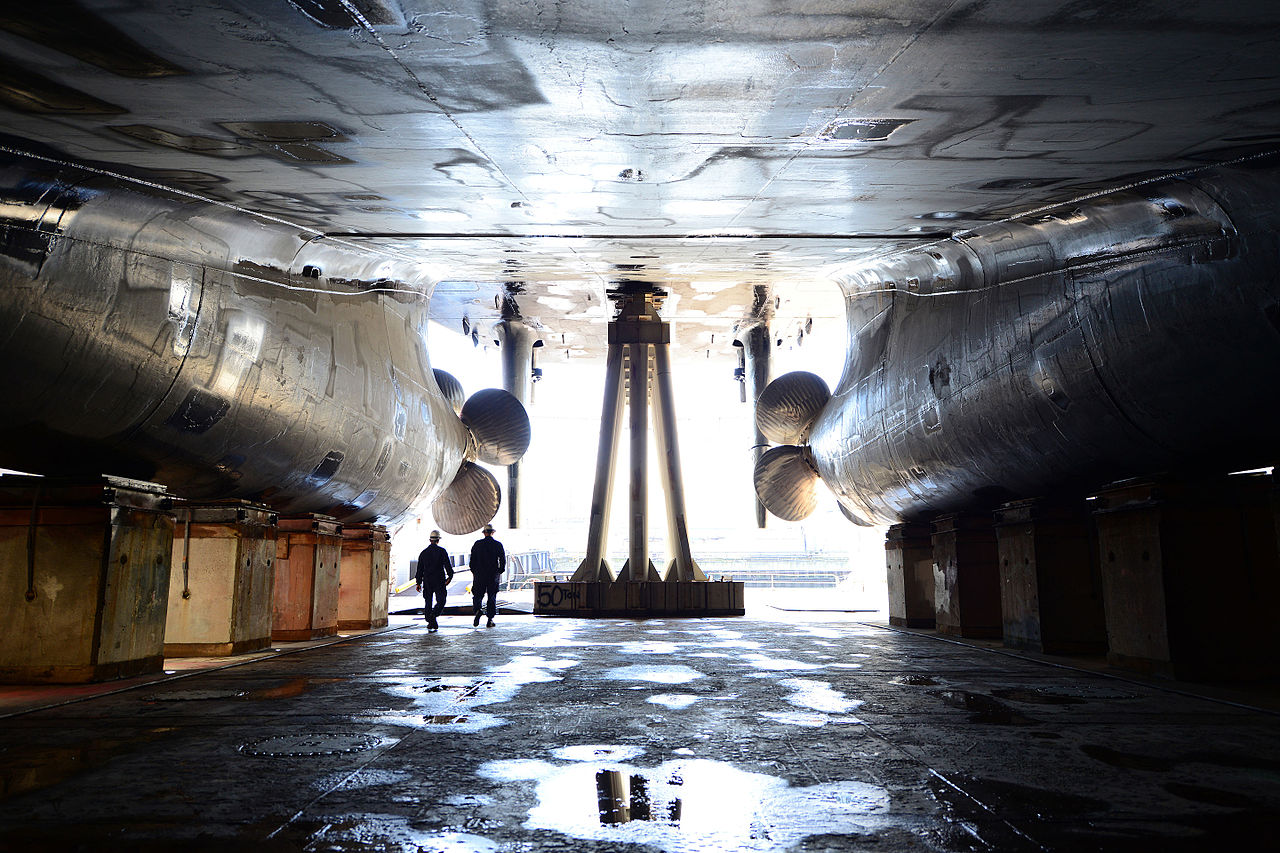




Design and key features
Icebreakers have several distinguishing characteristics: a very strong, often rounded hull that resists crushing forces; an inclined bow that can ride up and fracture ice; and internal framing and plating that reduce damage from ice impact. Specialized coatings and hull shapes reduce friction. The term hull in this context refers to those reinforced structures designed to withstand repeated contact with floating ice.
Propulsion and operation
These vessels use unusually powerful engines and propeller arrangements to maintain momentum when encountering ice, and some employ azimuth thrusters or multiple screws to improve maneuverability. Techniques include ramming, backing and ramming, and employing heeling systems to rock and free the ship. The hull and propulsion together enable the craft to cut or crush sheets of ice and keep routes open: a process sometimes described as cutting through ice.
History and development
Ice-capable vessels evolved from wooden whalers and early reinforced steamships to modern steel-hulled, diesel-electric or nuclear-powered icebreakers. Their development paralleled polar exploration, commercial shipping expansion into higher latitudes, and national interests in Arctic and Antarctic access. Advances in materials and engineering progressively increased their endurance and ice-going ability.
Uses and examples
Icebreakers support many activities: escorting commercial convoys through frozen straits, resupplying isolated communities, conducting scientific research, performing search and rescue, and maintaining year-round shipping lanes in icy seas. They operate on oceans and marginal seas as well as on large frozen inland waters; some models are optimized for open-ocean ice, others for shallower or confined waters such as oceans and lakes.
Variants and notable facts
Variants include polar-class heavy icebreakers capable of penetrating multi-year pack ice and smaller river or harbor icebreakers for seasonal clearing. Some nations maintain nuclear-powered icebreakers for extended endurance in polar regions. Icebreakers are critical assets for sovereign presence, maritime safety, scientific access, and economic activity in cold maritime environments.
Related articles
Author
AlegsaOnline.com Icebreaker (ship): vessels built to operate in ice-covered waters Leandro Alegsa
URL: https://en.alegsaonline.com/art/46443