
Ilyushin Il-18 — Soviet long-range turboprop airliner
The Ilyushin Il-18 is a four-engined Soviet long-range turboprop airliner introduced in 1959. Noted for reliability and long service life, it served Aeroflot and many military operators; about 800 were built.

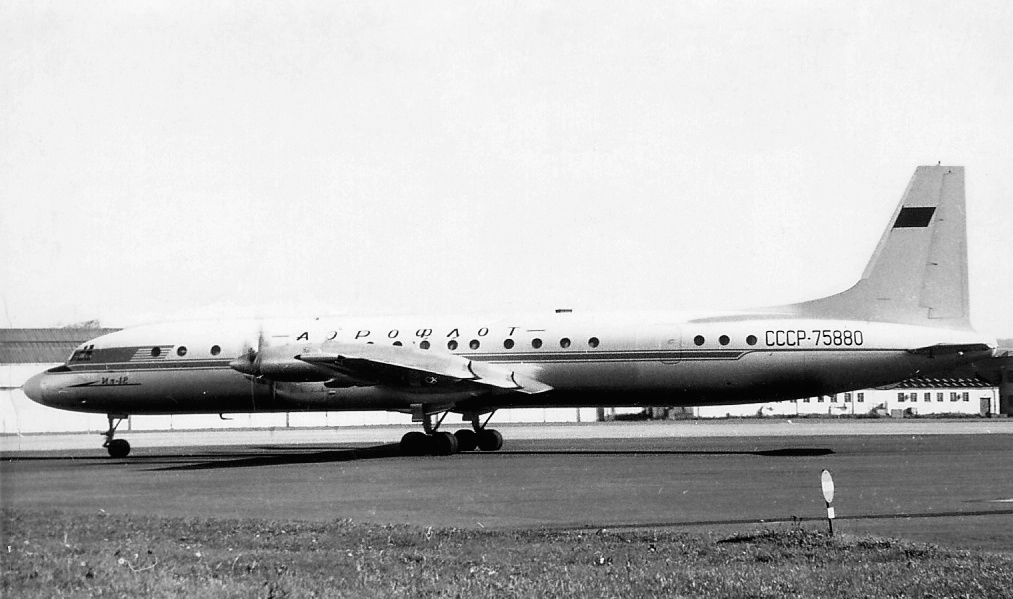
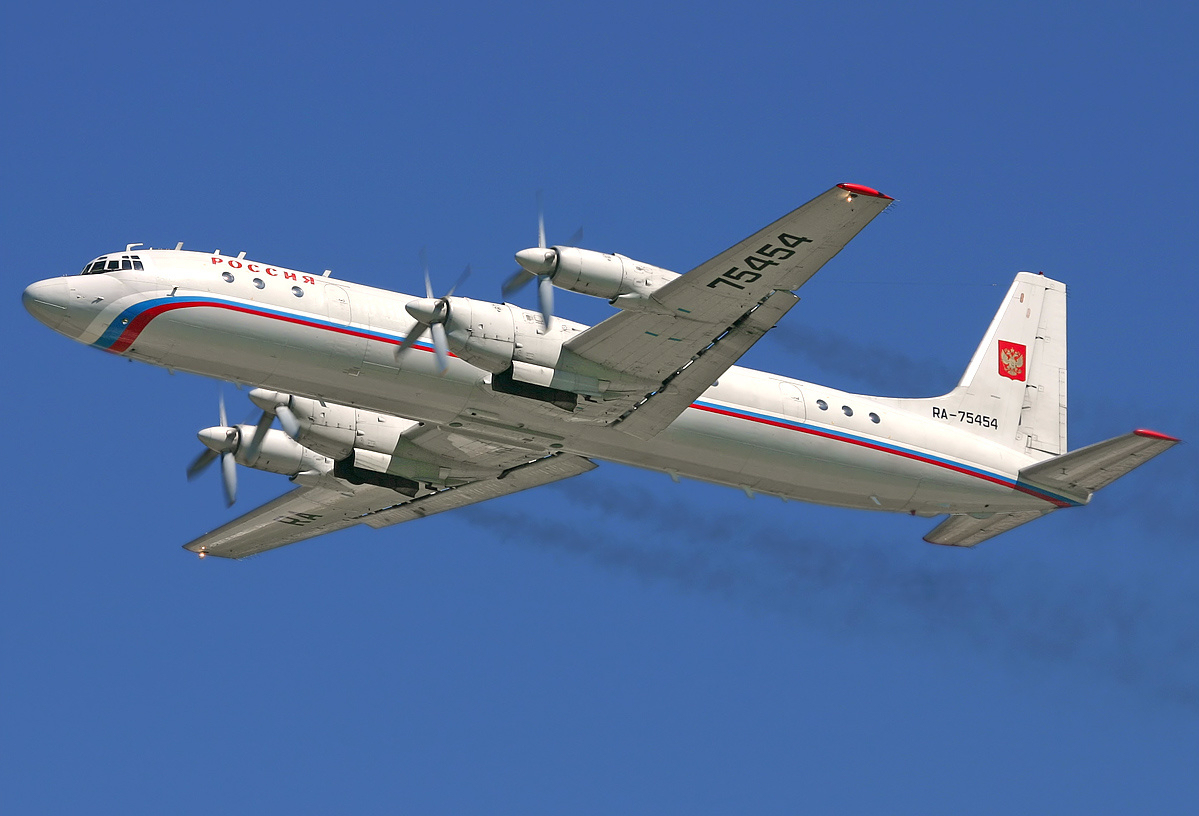
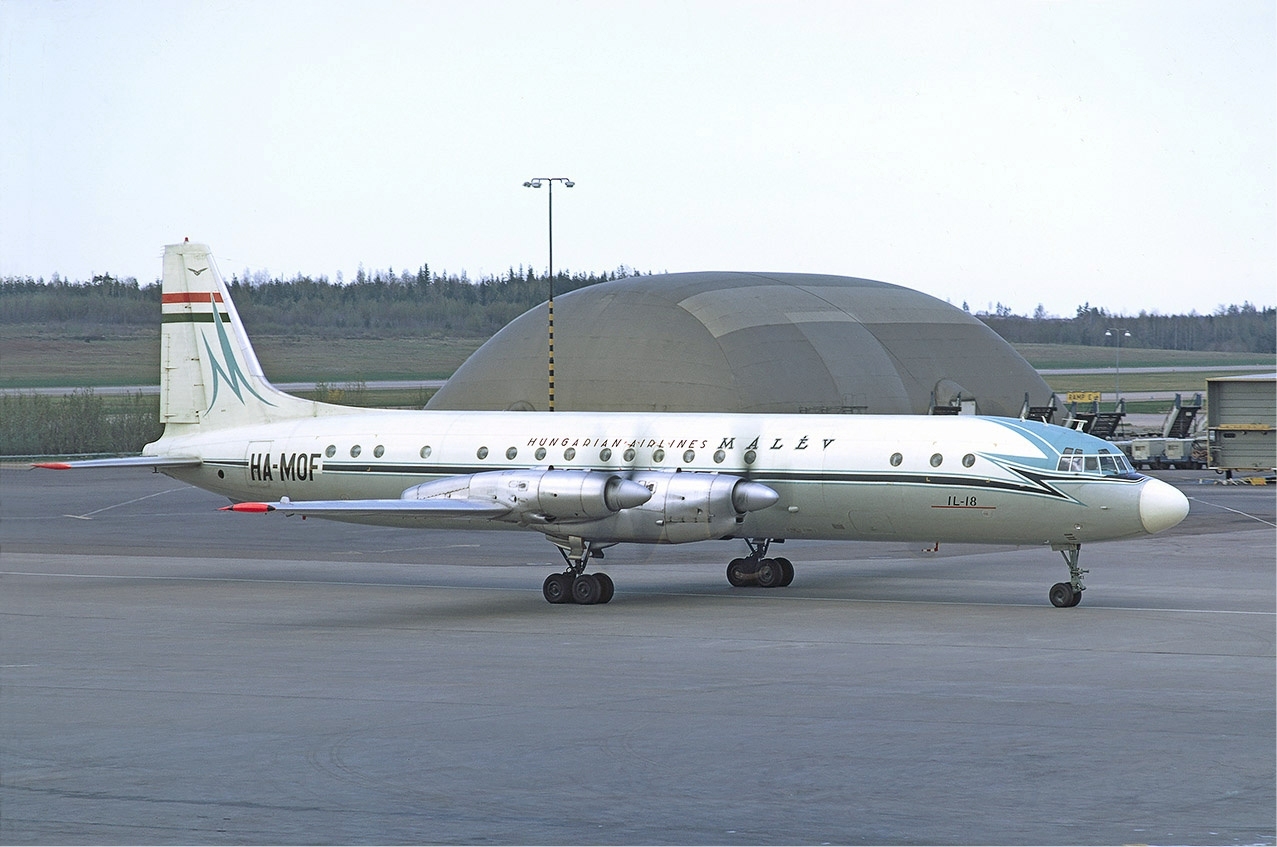
Ilyushin Il-18 is a large, four-engined turboprop airliner designed and produced by the Ilyushin design bureau in the Soviet Union. Identified by NATO as "Coot," the Il-18 was one of the USSR's principal long-range airliners introduced in the late 1950s. It combined a pressurized fuselage and efficient turboprop powerplants to deliver economical medium- and long-range passenger transport during the early jet era.
Image gallery
10 Images


Design and characteristics
The Il-18 features a conventional low-wing layout with four turboprop engines mounted on the wing. Its structural design prioritised ruggedness and easy maintenance, traits valued for operations across harsh climates and remote airfields. The cabin was fully pressurised and could be outfitted for different roles: standard passenger seating, VIP transport, cargo conversion, or specialised equipment for military and research missions. Early production models used the then-modern Soviet turboprop engines, giving the type a reputation for fuel efficiency on long sectors compared with early jets.
Development and operational history
Work on the Il-18 began as postwar Soviet civil aviation expanded and required larger, longer-range aircraft. The prototype first flew in 1957 and the type entered service in 1959. It quickly became a mainstay of Aeroflot, connecting major cities across the USSR and operating international routes. The aircraft was produced through several production blocks and improvements until the mid-1980s; overall output reached roughly eight hundred airframes, many of which served for decades.
Variants and military derivatives
The Il-18 airframe proved adaptable and spawned a family of specialised derivatives. Military and government variants were equipped for airborne command, electronic intelligence, and communications roles. One notable derivative is the maritime patrol and anti-submarine version developed from the Il-18 platform, known in service as the Il-38 and recognised in Western sources under its own reporting names.
- Passenger and VIP transports — standard cabin layouts for civil and government use.
- Military special-mission types — airborne command, ELINT, and communications platforms.
- Maritime patrol derivative — developed for long-endurance patrol and anti-submarine tasks (Il-38).
Uses, reputation and legacy
The Il-18 gained a reputation for reliability and long service life. It was widely used not only within the Soviet bloc but also by airlines and air forces in Africa, Asia and elsewhere through export and lease arrangements. Many examples were later converted to freighters, aerial survey aircraft or retained in military service. A small number remained airworthy into the 21st century, often in specialised or state roles.
Notable facts and distinctions
Recognised by the NATO reporting name "Coot," the Il-18 occupies an important place in the transition era between piston airliners and pure jets. Its capacity to carry passengers on long sectors with good economy, combined with a sturdy design that tolerated rough conditions, made it a workhorse for decades. For historical and technical context see resources on Soviet civil aviation and Ilyushin's design history (Soviet aeronautics).
Related articles
Author
AlegsaOnline.com Ilyushin Il-18 — Soviet long-range turboprop airliner Leandro Alegsa
URL: https://en.alegsaonline.com/art/46773