
Ilyushin Il-86 (NATO: Camber)
Soviet four-engined wide-body airliner introduced around 1980 for high-capacity routes; used by Aeroflot and later by Russian military for transport and special-purpose variants.
Overview
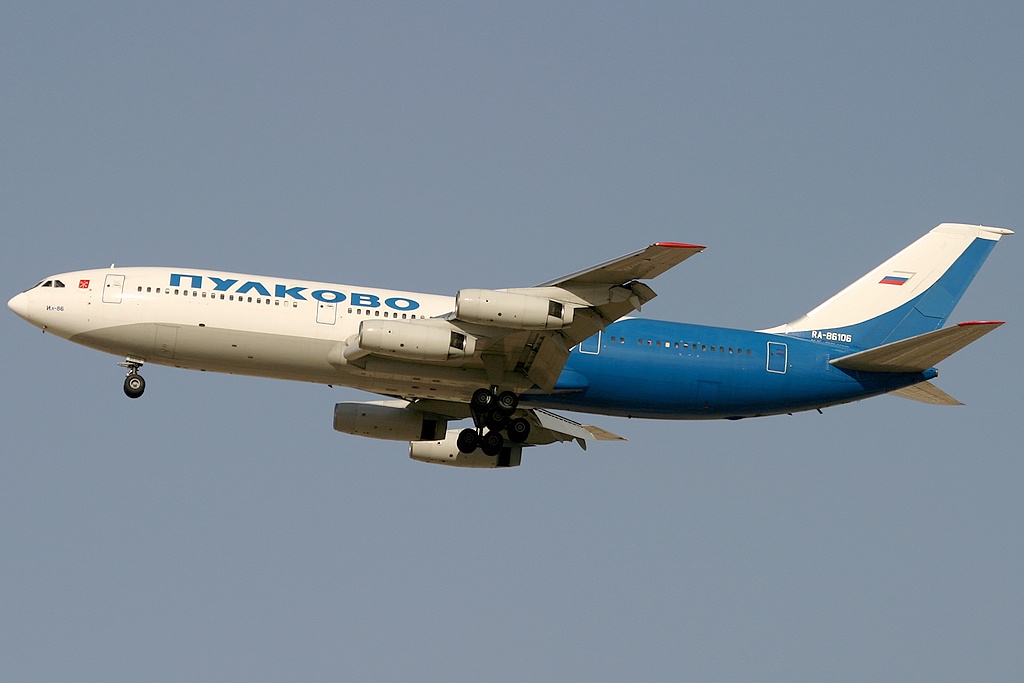
The Ilyushin Il-86 is a Soviet-era, four-engined, twin-aisle airliner developed to carry large numbers of passengers on domestic and short international routes. Often identified by the NATO reporting name "Camber," it was the USSR's first wide-body transport and represented a significant step for Soviet civil aviation. The type first flew in the mid-1970s and entered civil service around 1980, serving primarily on high-density routes under the national carrier and later in other roles.
Image gallery
8 Images



Design and key characteristics
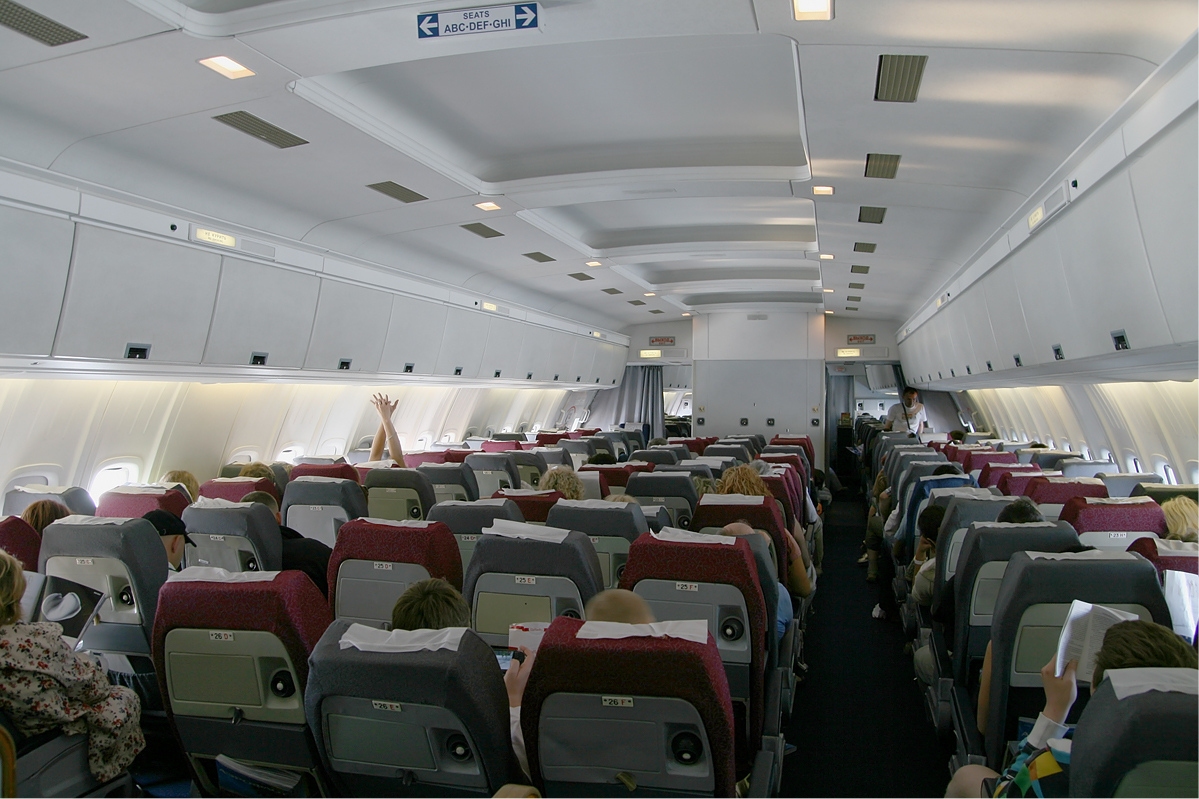
As a wide-body jet, the Il-86 features a broad fuselage with two passenger aisles and conventional low-mounted wings. It is powered by four underwing turbofan engines and was designed with emphasis on robustness for operation from a variety of Soviet airfields. The aircraft incorporated several features aimed at efficient handling of large passenger loads and baggage, reflecting the operational needs of scheduled domestic services in the USSR.
Development and service history
The Il-86 was produced to fill a need for a high-capacity airliner that could move many passengers between major cities and regional hubs. Its introduction paralleled Western wide-body designs but placed priority on payload and adaptability to local infrastructure. The airliner was operated extensively by the national airline and by other carriers within the Soviet sphere, and later some airframes passed into the fleets of successor airlines after the dissolution of the USSR.
Variants and military use
A number of adaptations and special-purpose versions were developed from the basic Il-86 airframe. Some aircraft were converted or built for use by military and government operators as transports and special mission platforms. Notably, the Il-86 airframe provided the basis for the development of the Ilyushin Il-80 airborne command post. Several Il-86 aircraft have served with the Russian Air Force in transport and support roles.
Legacy and notable facts
The Il-86 occupies a distinctive place in aviation history as the Soviet Union's first wide-body airliner. It demonstrated the capability to design and field a large passenger jet suited to the particular operational environment of the USSR. While it did not achieve the same global commercial success as some Western contemporaries, it remained important for domestic aviation and influenced later Russian designs.
Further reading
- General information on Soviet civil aviation: civil aviation overview.
- Technical and operational details: aircraft technical reference.
- Military adaptations and service: military transport roles.
- Special-purpose derivatives such as command-post conversions: special mission variants.
- Historical context and development timeline: development history.
Related articles
Author
AlegsaOnline.com Ilyushin Il-86 (NATO: Camber) Leandro Alegsa
URL: https://en.alegsaonline.com/art/46778