
Hull (watercraft)
The hull is the watertight body of a boat or ship that provides buoyancy, determines hydrodynamic behavior and carries loads. This article explains forms, parts, materials, history and practical importance.
The hull is the principal watertight structure of a floating vessel and determines how it moves through water. In simplest terms the hull forms the body of a ship or boat and provides the buoyancy that prevents sinking. Designers balance competing goals—stability, speed, carrying capacity, sea-keeping and efficiency—when selecting a hull form for a particular use.
Image gallery
5 Images

Main components and features
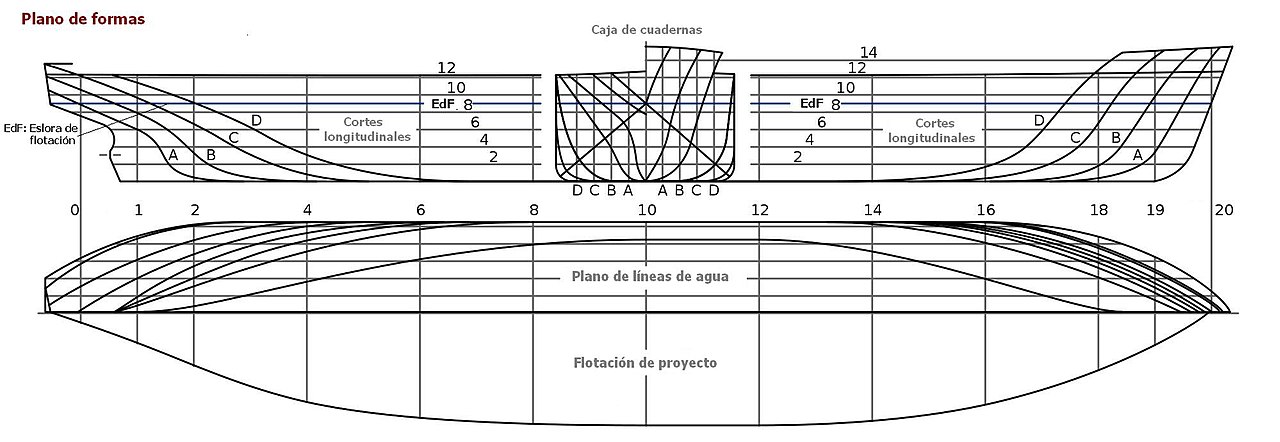
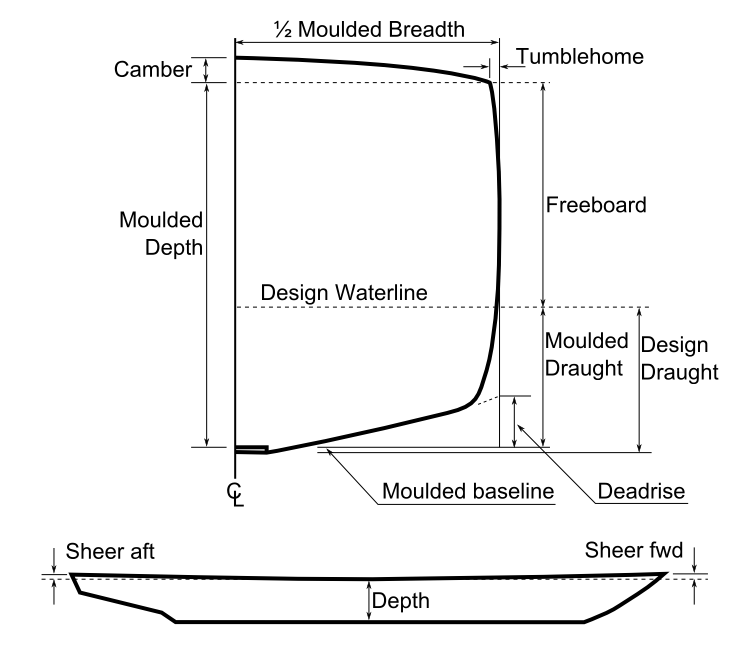
A hull includes several named parts and measurable dimensions that affect performance. Typical features are the keel, bow, stern, chines, deck edge and freeboard. Important dimensions are draft (depth below waterline), beam (width) and longitudinal profile. The hull also contains structural members, watertight compartments and fittings that support propulsion and steering gear.
Common hull types
- Displacement hulls move by pushing water aside and are efficient at lower speeds; most cargo ships and many cruisers use this form.
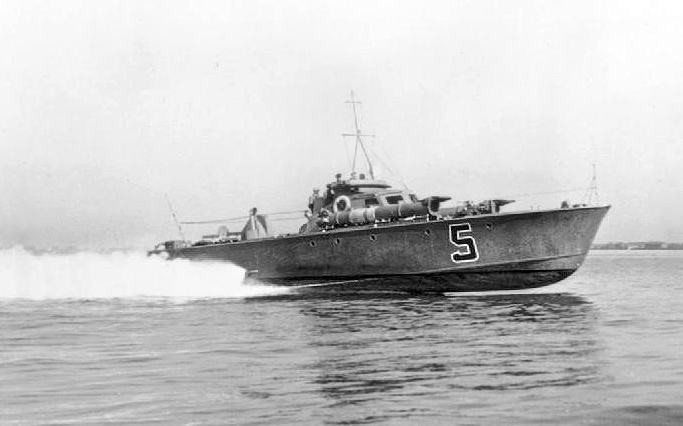
- Planing hulls rise and skim on top of the water at speed, common in powerboats and racing craft.
- Semi-displacement combine features of both to allow moderate speeds with higher load capacity.
- Multihulls such as catamarans and trimarans use two or more hulls to improve stability and reduce resistance.
Each hull type behaves differently in waves and has trade-offs in comfort, efficiency and construction cost. For displacement hulls a concept called "hull speed" often guides expectations for efficient cruising speeds; planing hulls are governed more by power-to-weight and hull shape.
Materials and construction
Historically hulls were built from wood; the industrial era brought iron and steel for large ships. In the 20th century aluminium and fiberglass-reinforced plastics became common for smaller craft, and modern composites are used for high-performance vessels. Material choice affects strength, maintenance needs, weight and corrosion resistance.
History, uses and notable considerations
Hull design evolved from dugout canoes and simple plank boats to complex metal and composite forms optimized by hydrodynamics and naval architecture. Modern hulls are tailored to purposes ranging from fishing and ferries to warships and yachts. Safety features such as double hulls, compartmentalization and protective coatings reduce pollution risk and improve survivability. Routine inspection, anti-fouling measures and repairs keep hulls seaworthy and extend service life.
Distinguishing a hull from the superstructure is useful: the hull is the load-bearing, buoyant shell below and including the deck, while what sits above the deck is generally called the superstructure. Understanding hull form is central to selecting or designing a vessel for a specific mission or environment.
Related articles
Author
AlegsaOnline.com Hull (watercraft) Leandro Alegsa
URL: https://en.alegsaonline.com/art/45629
Sources
- admiraltylawguide.com : "International Convention on Tonnage Measurement of Ships, 1969"