
Iceboat (ice yacht): wind-driven craft for frozen surfaces
An iceboat is a wind-powered vehicle that glides on metal runners over ice. Used historically for transport and today for racing, it pairs sail rigs with low-friction runners to achieve very high speeds on frozen lakes.
Iceboat describes a wind-driven craft that moves across ice on sharpened metal runners rather than through water. By combining a sail plan with a rigid frame riding on low-friction blades, iceboats convert wind power into rapid, often exhilarating motion. They vary from small, single-person racing sleds to larger, multi-crew ice yachts. For basic context see boat and the nature of ice.
Image gallery
10 Images


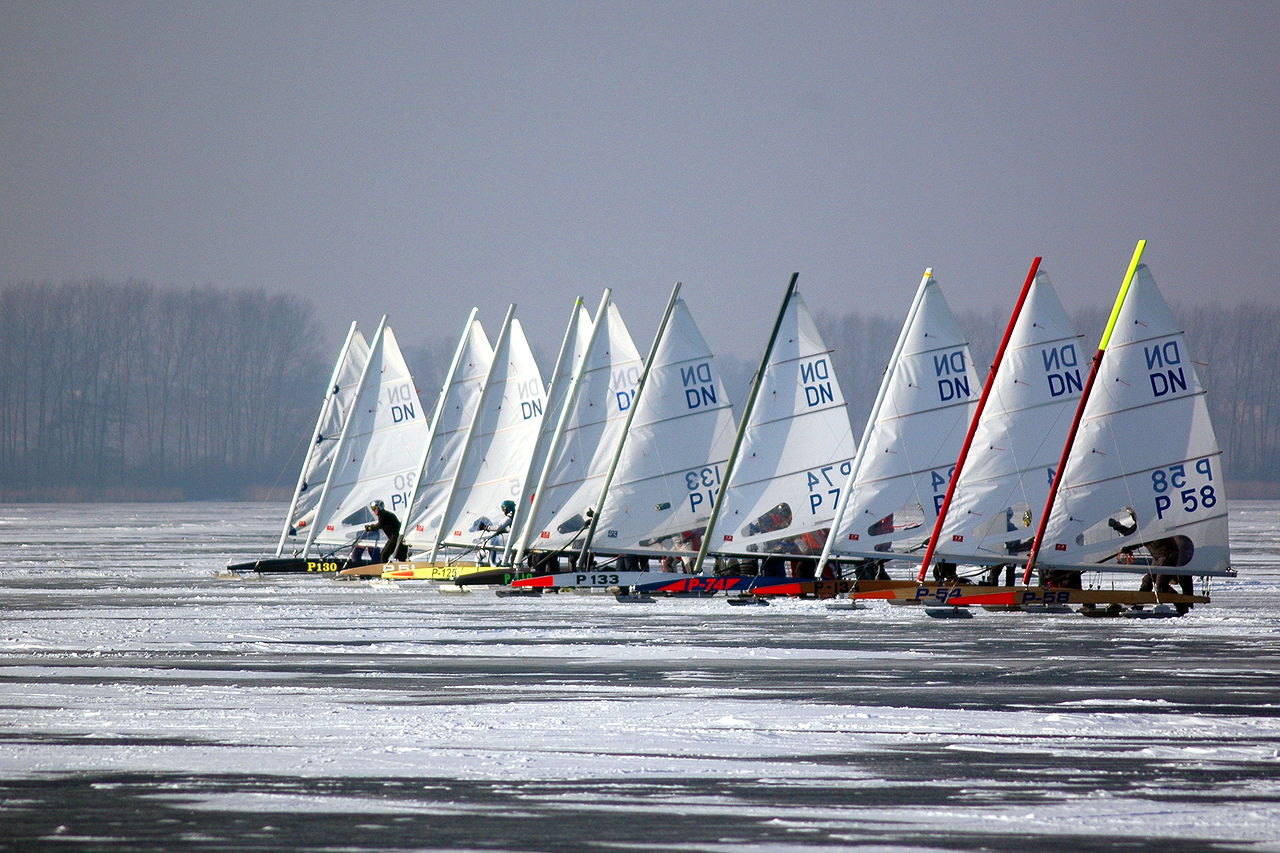
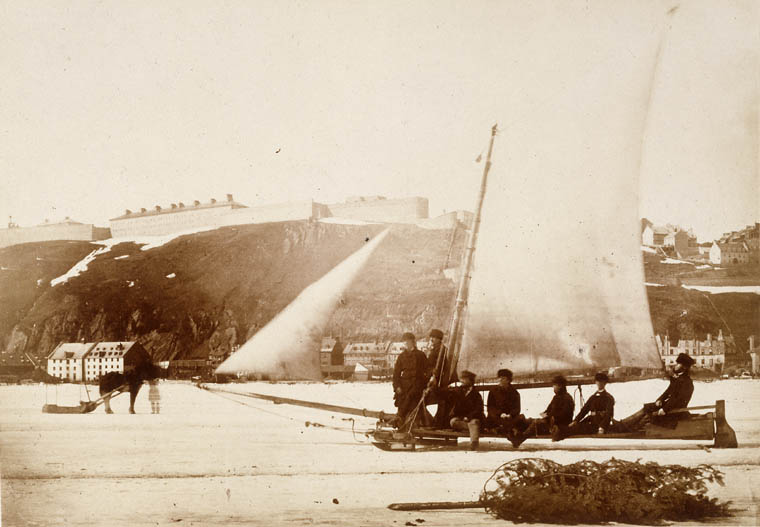
Design and components
Common elements include a hull or frame, a mast and sail, a set of runners and a steering system. Modern materials favor light alloys and composite panels to reduce weight and improve strength. Typical runner layouts use a front steering blade and one or two rear runners, although some historical designs used different configurations. Runners are usually hardened steel, set and shaped for grip and predictable sliding on smooth ice.
- Frame/hull: supports rig and crew and resists torsion.
- Runners: blades that make contact with the ice; their profile affects steering and speed.
- Sail and rigging: tuned for balance and control at high apparent-wind speeds.
- Controls: steering and trim systems to manage lift, heel and braking.
Operation and performance
Iceboats often sail with a high apparent-wind angle and can exceed the speed of the true wind because of the low resistance of the runners. Handling emphasizes smooth steering, careful sail trim and awareness of ice conditions. Braking relies on feathering the sail, controlled turns and sometimes specialized drag devices; sudden stops are challenging and depend on safe margins.
History, classes and sport
Ice sailing has long roots in northern Europe and North America where frozen canals and lakes made wind-powered winter travel practical. By the 19th and early 20th centuries clubs and organized races appeared. Standardized one-person classes, such as the DN developed in the 1930s, helped popularize competitive ice yachting. Today the activity is usually organized as the sport of ice yachting; for class rules and event information see ice yachting resources and general sailing guides.
Uses and safety
While iceboats were once practical transport in suitable climates, modern use is largely recreational and competitive. Safety is critical: participants wear helmets and protective clothing, inspect local ice thickness and quality, and follow club rules. Knowledge of weather and rescue procedures is essential because high speeds and thin ice present clear hazards.
Related articles
Author
AlegsaOnline.com Iceboat (ice yacht): wind-driven craft for frozen surfaces Leandro Alegsa
URL: https://en.alegsaonline.com/art/46442