
Abolitionism: the movement to end slavery and its global impact
Abolitionism was a broad political, moral and religious movement to end slavery. This article explains its origins, strategies, regional differences, key effects and lasting legacy.
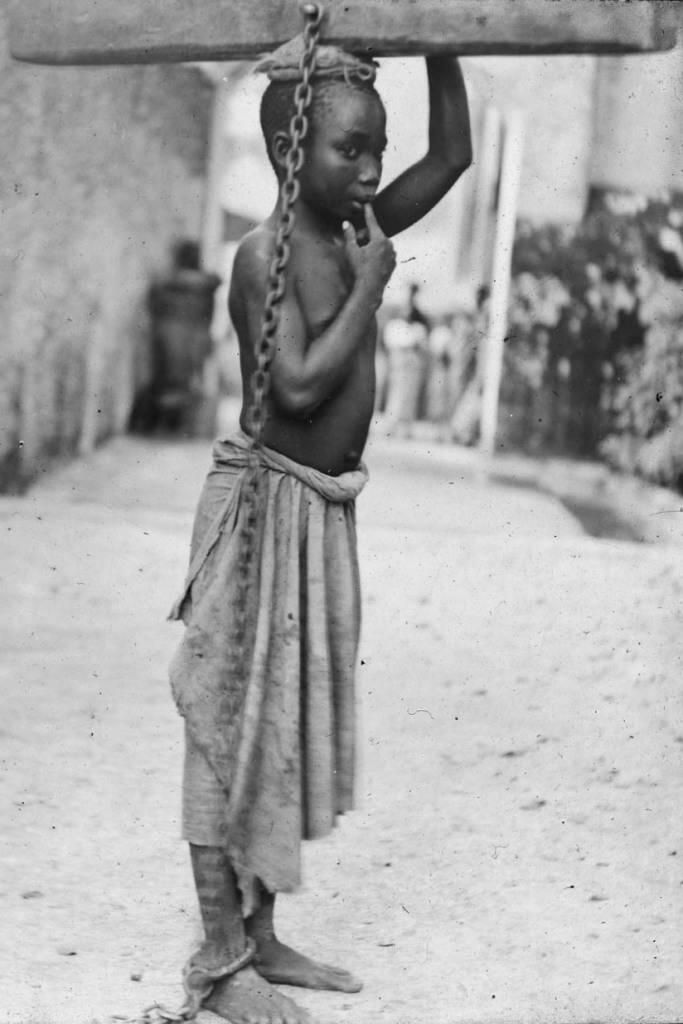
Abolitionism refers to the organized effort to end the institution of slavery. Emerging in the 18th century and becoming especially influential in the 19th, abolitionist campaigns combined moral argument, political pressure, legal action and popular agitation to challenge systems that treated people as property. While the movement took different forms across regions, its core claim was that slavery violated basic human dignity and should be abolished rather than regulated or reformed.
Image gallery
10 Images






Origins and intellectual foundations
Ideas central to abolitionism drew on changing philosophies and religious convictions. Writers and thinkers associated with the Enlightenment argued for natural rights and individual liberty, while some religious communities argued that slavery conflicted with Christian teaching. For example, members of the Quakers mounted persistent campaigns, appealing to conscience and faith; critics often framed their objections in terms of human rights. The movement took shape at different speeds in Europe and America, influenced by local politics, economies and legal systems.
Methods and organization
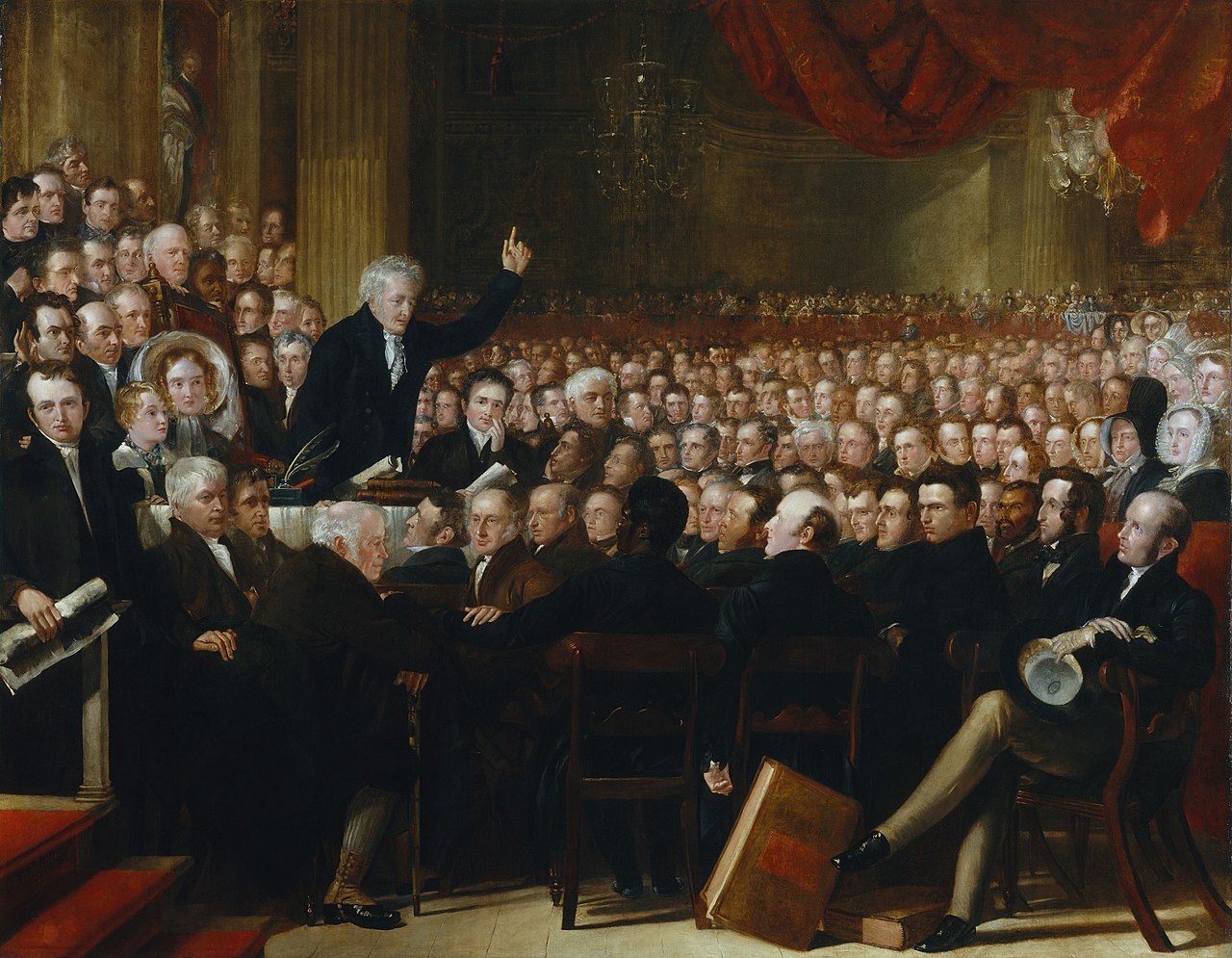
Abolitionists used a mix of approaches. They formed societies, petitioned legislatures, produced pamphlets and newspapers, lobbied parliament and congress, supported court cases, and organized moral-suasion campaigns. Some combined political work with direct assistance to enslaved people seeking freedom. Common tactics included:
- Public lectures and petitions to build popular support.
- Legislative lobbying to prohibit the slave trade and slavery itself.
- Underground networks and legal defenses offering escape and protection.
- Cultural campaigns—novels, sermons and newspapers—that reshaped public opinion.
Regional developments and examples
In Europe, national campaigns led to abolition of the transatlantic trade and then slavery in imperial possessions; activists concentrated on changing laws and enforcing bans. In America, abolitionism encompassed a wide spectrum: from gradual emancipation proposals to immediate emancipation and equal rights. Debates there were intertwined with politics over national union, and the issue became a central cause of conflict in the mid-19th century. Religious Christianity-based groups and secular reformers often worked side by side.
Contested strategies and legacy
Abolitionists did not agree on every point. Some supported compensated emancipation or colonization plans; others insisted on immediate and uncompensated freedom with full civil rights. The movement’s successes—legal abolition, shifts in public sentiment and the weakening of slaveholding political power—had long-term effects on labor systems, law and international norms. Abolitionist activism also intersected with other reform movements, including campaigns for women's rights and social justice.
Today the term "abolitionism" is sometimes applied more broadly to movements against modern forms of slavery and human trafficking. Historical abolitionists left a mixed but unmistakable legacy: they changed laws and public opinion, repurposed religious and philosophical arguments for liberty, and reshaped the moral vocabulary used to condemn exploitation.
Further reading and archival resources are available through general histories and specialized studies; for introductions consult entries and guides linked here: slavery, Europe, America, Enlightenment, human rights, Quakers, Christianity.
Related articles
Author
AlegsaOnline.com Abolitionism: the movement to end slavery and its global impact Leandro Alegsa
URL: https://en.alegsaonline.com/art/463
Sources
- pbs.org : "Indentured Servants In The U.S. | History Detectives | PBS"
- encyclopediavirginia.org : "Indentured Servants in Colonial Virginia"
- history.org : "Fighting... Maybe for Freedom, but probably not"
- blackpast.org : "1st Rhode Island Regiment | The Black Past: Remembered and Reclaimed"
- ushistory.org : "Revolutionary Changes and Limitations: Slavery [ushistory.org]"
- archives.gov : "Eli Whitney's Patent for the Cotton Gin"