
Quakers (Religious Society of Friends)
Religious Society of Friends, known as Quakers, is a movement with Christian roots from 17th-century England that emphasizes direct experience of the divine, peace, equality and silent worship.
Overview
The Religious Society of Friends, commonly called Quakers, began in mid-17th-century England. Its formal name is the Society of Friends. Many adherents identify as Christian, but the movement today includes a range of theological perspectives. Friends are known for emphasizing a direct, inward experience of the divine, often referred to as the "Inner Light." Large contemporary communities are found in Kenya, the United States, Bolivia, Guatemala, the United Kingdom, and Burundi.
Image gallery
10 Images
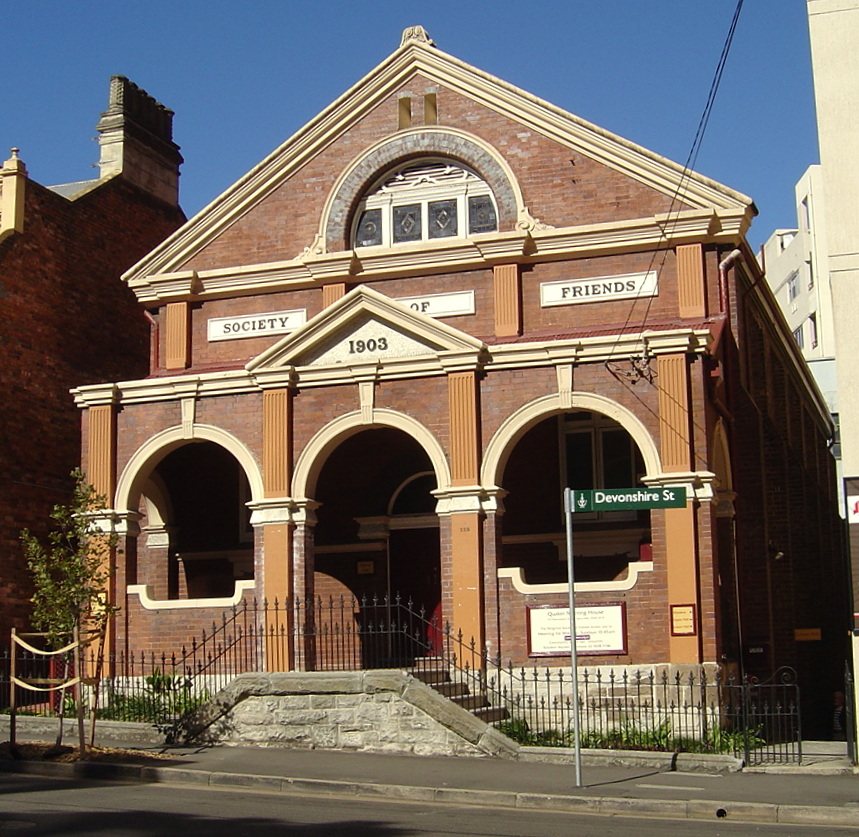


Beliefs and worship
Quaker belief is diverse, but several themes recur: a conviction that the divine is accessible within each person, a preference for simplicity in life, and an ethical focus on peace and equality. Worship often takes the form of a meeting for worship, which in many Meetings is unprogrammed—participants sit in silent waiting until someone feels led to speak. Other Meetings are programmed and include hymns and a pastor. Friends generally avoid creeds and instead hold to shared practices and testimonies.
Key practices and testimonies
- Peace: historic commitment to nonviolence and conscientious objection.
- Equality: advocacy for abolition, women's rights, and social justice.
- Integrity: emphasis on honesty and ethical consistency.
- Simplicity: living with attention to essentials and stewardship.
History and development
Emerging in the 1650s, Friends grew out of radical religious ferment in post-Reformation Britain. Early leaders called for spiritual immediacy and rejected formal priesthood and liturgy. Quakers faced persecution in their early decades but also contributed to social reform: some were prominent in the abolition of slavery, prison reform, and the development of social services and education. Over time the movement diversified into branches that differ in worship style, theology, and social engagement.
Organization and modern presence
Quaker polity favors local decision-making by Meetings and networks of regional "Yearly Meetings." Business is often conducted in a spirit of discernment rather than adversarial voting. Globally, Friends participate in humanitarian work, peacebuilding, and interfaith dialogue. While many Quakers remain Christian in outlook, the Society includes liberal, evangelical, and non-theist Friends, making it a plural community united more by practices and testimonies than by a single creed.
Notable distinctions
Quakers are widely recognized for their silent worship, historic pacifism, and moral influence on social movements. Their organizational emphasis on consensus and inward discernment distinguishes their decision-making from more hierarchical religious bodies. The movement's global composition means Quaker life varies considerably by region while retaining core emphases on direct spiritual experience and social witness.
Questions and answers
Q: What is the origin of the Quakers?
A: The Quakers began in England in the 1650s.
Q: What is the formal title of the Quakers?
A: The formal title of the Quakers is the Society of Friends, or the Religious Society of Friends.
Q: What are Quakers also known as?
A: Quakers are also known as "Friends."
Q: Who can be part of the Quaker group?
A: Most Quakers are Christian, but the group today includes a few other people.
Q: Where do Quakers live?
A: Quakers live all over the world, but the largest groups are in Kenya, the United States, Bolivia, Guatemala, the United Kingdom, and Burundi.
Q: What is the meaning of the word "Quaker"?
A: The word "Quaker" means the same thing as "Friend."
Q: What do you call people who are part of the Society of Friends?
A: People who are part of the Society of Friends are called "Friends" or Quakers.
Related articles
Author
AlegsaOnline.com Quakers (Religious Society of Friends) Leandro Alegsa
URL: https://en.alegsaonline.com/art/82042
Sources
- bbc.co.uk : "Quakers - the Religious Society of Friends"
- fwccamericas.org : "2012 map"
- quakerinfo.org : "Distribution of Quakers in the World - Quaker Information Center"