
Hurricane Linda (1997): powerful Eastern Pacific Category 5 storm
Hurricane Linda was an exceptionally intense eastern North Pacific hurricane in 1997. It reached Category 5 intensity over open water and remained well offshore, producing little direct damage but notable scientific interest.
Overview
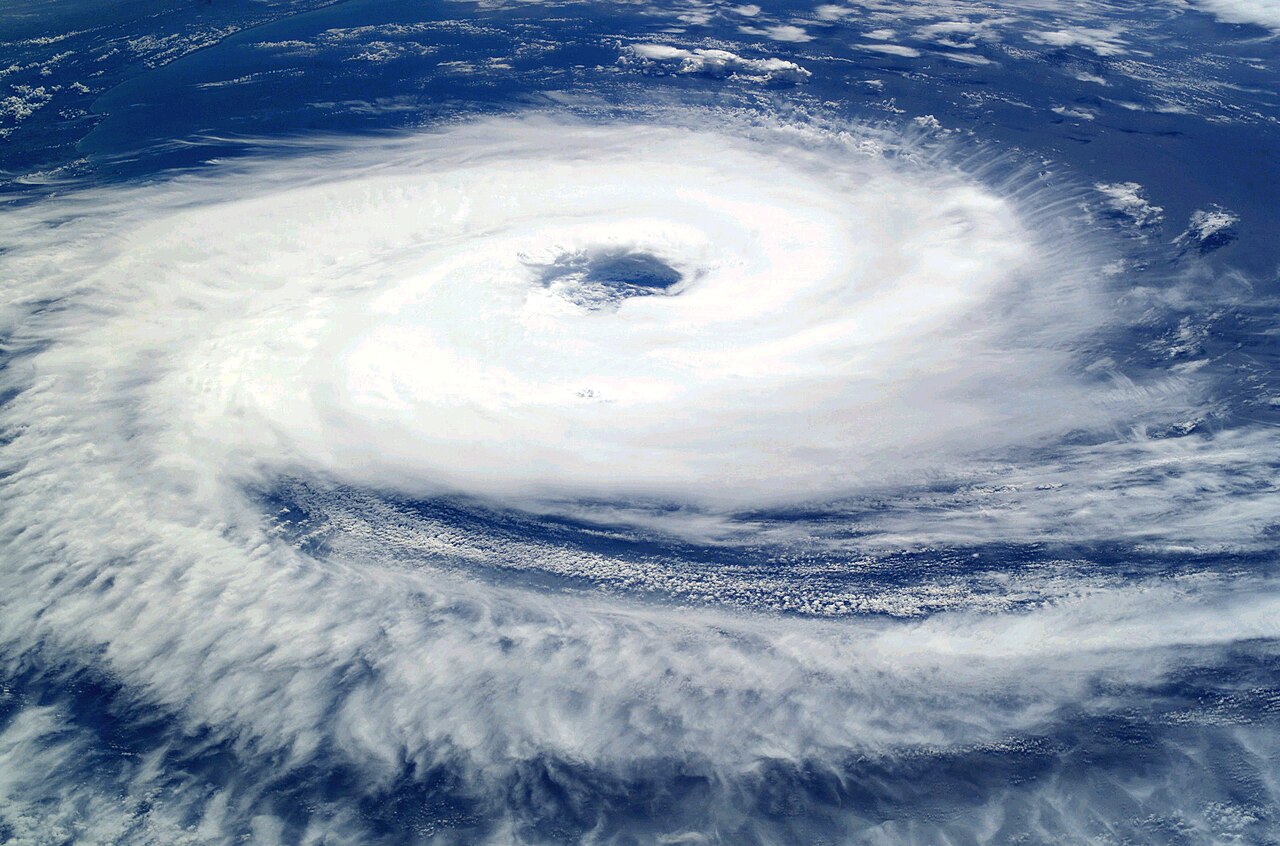
Hurricane Linda was an exceptionally intense tropical cyclone that developed in the eastern North Pacific during the late 1997 season. It reached Category 5 strength over open ocean and became, at the time, the most intense hurricane recorded in the eastern Pacific basin. Linda remained well away from land throughout its life, so it produced minimal direct damage, though its strength and behavior attracted attention from meteorologists studying rapid intensification and El Niño influences.
Image gallery
7 Images




Meteorological history and development
Linda formed from a tropical disturbance that organized over warm sea surface temperatures and relatively low wind shear. Conditions favored a period of rapid deepening, during which the cyclone consolidated a tight inner core and developed a clear eye on satellite imagery. After reaching peak intensity, Linda moved into cooler waters and encountered increasing shear, causing it to weaken and eventually dissipate without making landfall.
Characteristics and peak intensity
- Classified as a Category 5 hurricane at peak intensity in the eastern Pacific.
- Displayed classic satellite signatures of an intense tropical cyclone, including a well-defined eye and cold cloud tops.
- Remained an oceanic storm, so most measurements come from satellite estimates and remote observations rather than in situ instruments.
Impacts and observations
Because Linda stayed far from coastlines, direct impacts were limited. Long-period swells and elevated surf were reported along parts of the Mexican Pacific coast and Central America, prompting localized surf warnings and some minor coastal erosion. Shipping interests and meteorological agencies tracked the storm via satellite, and it provided useful data for research into hurricane formation and intensification in the eastern Pacific.
Historical significance and comparisons
At the time, Linda held the record as the strongest hurricane observed in the eastern North Pacific. That record stood until a later storm in 2015 surpassed its peak intensity. Linda is also remembered as a notable example of storm amplification during the 1997 season, which was unusually active in the Pacific in association with a strong El Niño event. Its life cycle remains a reference case for studies of rapid intensification and the limits of satellite-based intensity estimates.
Further information
For detailed meteorological analyses and archival materials on Hurricane Linda, consult official post-storm reports and reanalysis products from regional forecasting centers and research institutions. A summary of the storm and links to technical material can be found through archived agency write-ups such as the NOAA/National Hurricane Center report and storm archive.
Related articles
Author
AlegsaOnline.com Hurricane Linda (1997): powerful Eastern Pacific Category 5 storm Leandro Alegsa
URL: https://en.alegsaonline.com/art/45947