
Jacksonville, Florida
Jacksonville is a major city in northeast Florida, the seat of Duval County, noted for its extensive land area, river and coastal setting, port, military presence, universities and the NFL's Jaguars.
Overview
Jacksonville is the largest city in the U.S. state of Florida and serves as the county seat of Duval County. Located on the banks of the St. Johns River near the Atlantic coast, the city combines an urban center with extensive residential neighborhoods, barrier island beaches and broad tracts of wetlands.
Image gallery
10 Images


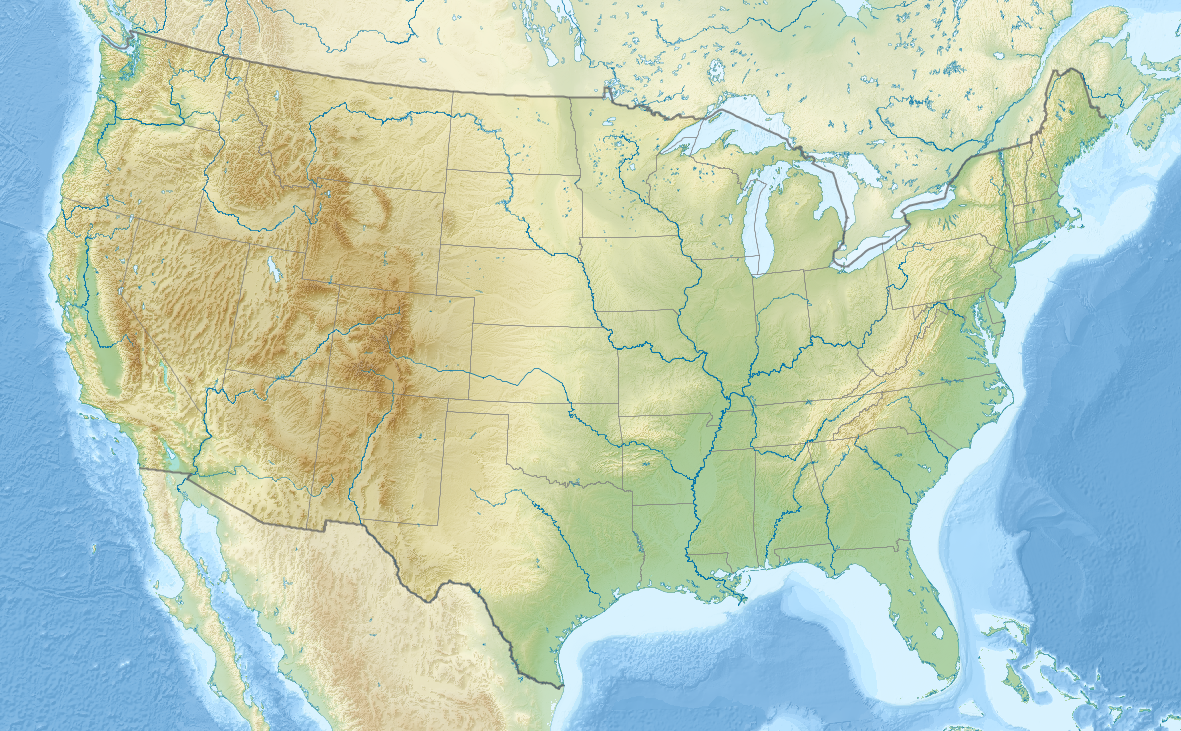

Geography and scale
Covering most of Duval County after a city–county consolidation, Jacksonville is notable for its unusually large municipal footprint. It is often cited as the largest city by land area in the contiguous United States (continental U.S.). That size yields a diverse patchwork of downtown, riverfront districts, suburban corridors and expansive natural areas within municipal boundaries.
History and development
The place now called Jacksonville grew through indigenous habitation, colonial settlement and expansion in the 19th and 20th centuries. It was named for Andrew Jackson and developed as a regional commercial hub because of its river access and coastal port. In the mid-20th century a consolidation of city and county governments produced the modern municipal layout and helped guide subsequent growth.
Institutions, culture and education
Jacksonville is home to the public research and teaching campuses such as the University of North Florida, along with museums, theaters and annual events that shape civic life. Cultural venues include art museums, a science and history museum, live music venues and recurring festivals that attract local and regional audiences.
Economy, transportation and sports
The local economy combines port activities, logistics, a sizable military presence, health care, finance and tourism. The Port of Jacksonville handles cargo and marine commerce while several naval installations support defense-related employment. Sports are prominent: the city hosts the professional team the Jacksonville Jaguars of the NFL, along with college athletics and seasonal sporting events.
Key features and significance
- Riverfront and Atlantic beaches provide recreation and tourism.
- Large municipal area combining urban, suburban and natural landscapes.
- Major transportation links including a commercial port and interstates.
- Mix of cultural institutions, higher education and military installations.
Together these elements give Jacksonville a distinctive regional role in northeast Florida as a center for commerce, culture, education and outdoor recreation.
Related articles
Author
AlegsaOnline.com Jacksonville, Florida Leandro Alegsa
URL: https://en.alegsaonline.com/art/48996
Sources
- census.gov : "US Gazetteer files: 2010, 2000, and 1990"
- jaxhistory.org : "Consolidation"
- www2.census.gov : "2016 U.S. Gazetteer Files"
- factfinder.census.gov : "American FactFinder"
- coj.net : Demographics
- factfinder.census.gov : "American FactFinder"
- jacksonville.com : "Call Box"
- news.wjct.org : "What Do You Call Someone From Jacksonville?"
- geonames.usgs.gov : U.S. Geological Survey Geographic Names Information System: Jacksonville, Florida