
Antenna (biology): sensory appendages of arthropods
Antennae are paired sensory appendages on arthropods (insects, crustaceans) that detect touch, chemicals, air movement, sound and temperature. Structure, number and function vary across groups.
Overview
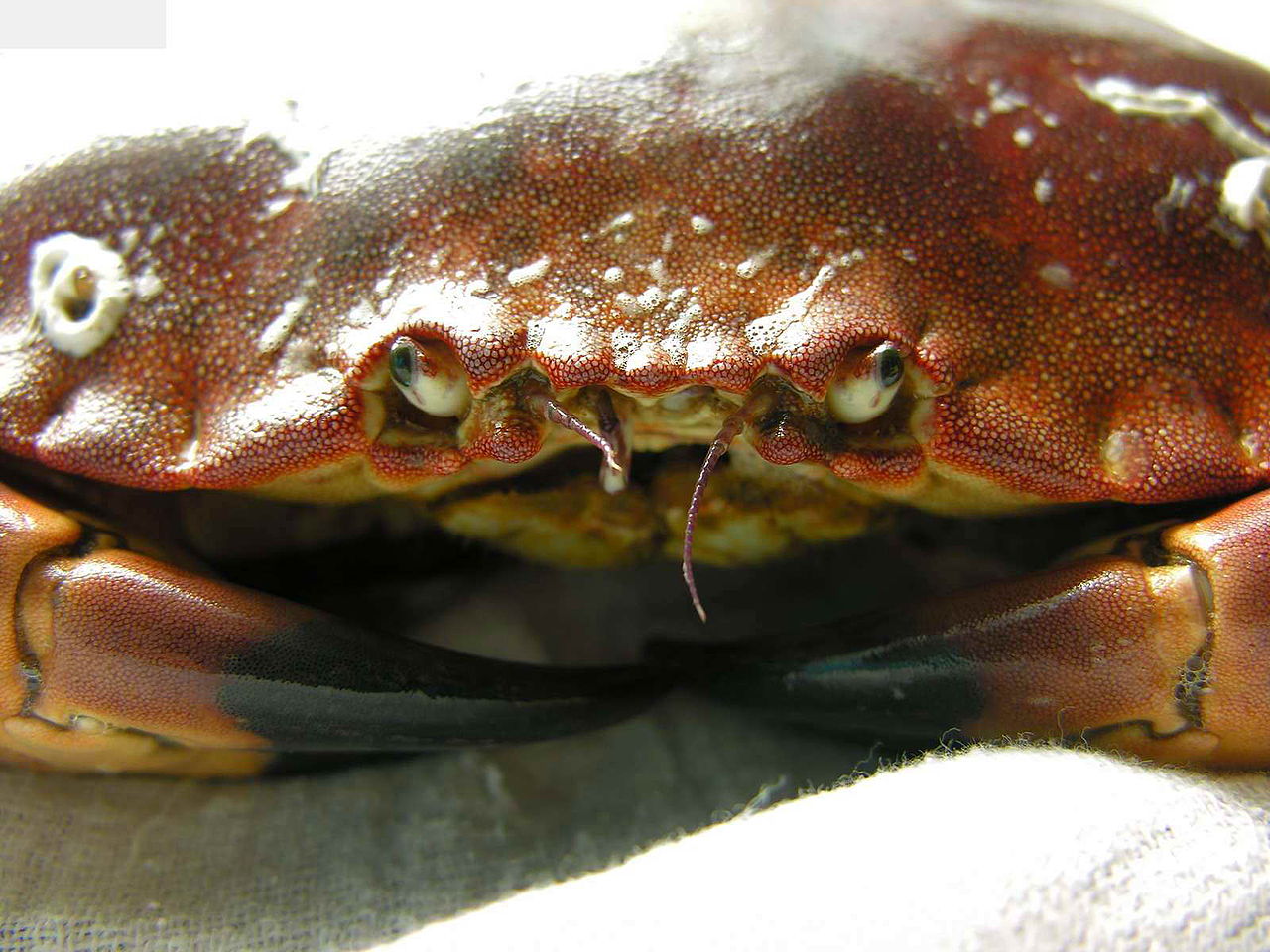
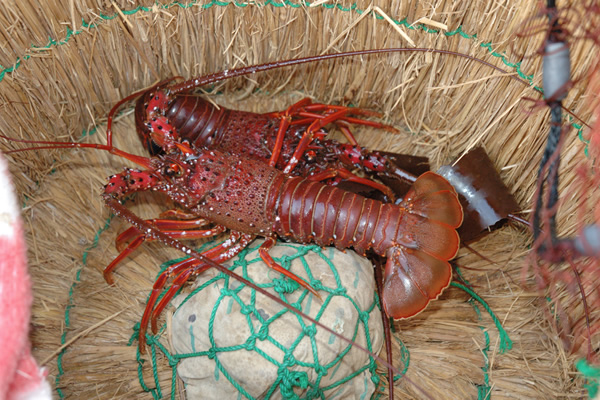
An antenna (plural antennae) is one of a pair of external feelers found on the heads of many arthropods. These structures are modified appendages that project forward from the front segments of the body and serve primarily as sensors. Antennae are a common feature among crustaceans and insects, though their number, form and capabilities differ between lineages.
Image gallery
10 Images





Anatomy and parts
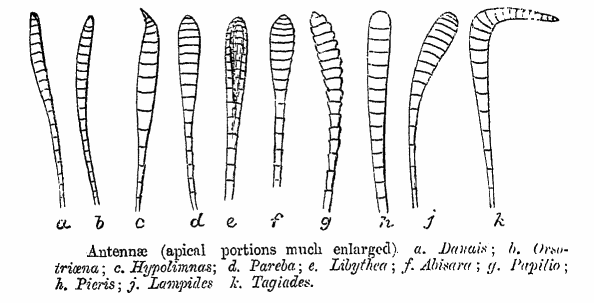
In insects a typical antenna is divided into three main regions: the scape (base), the pedicel (middle segment) and the flagellum (apical series of segments). The pedicel often contains a specialized sensory structure known as Johnston's organ that detects relative motion. Crustaceans frequently have two pairs of antennal appendages: a smaller anterior pair called antennules and a larger posterior pair; these may be uniramous or biramous depending on the group.
How antennae sense the world
Antennae carry diverse sensory units called sensilla that act as chemoreceptors, mechanoreceptors and sometimes thermoreceptors or hygroreceptors. Through these sensors an animal can detect chemical cues, air or water currents, physical contact, vibrations (including sounds) and temperature differences. In many species chemoreception—especially smell and gustation—is the dominant role of antennae, allowing detection of food, mates and predators. They are therefore key sensory organs for behavior and navigation.
Variation and examples
- Beetles often have clubbed or serrate antennae adapted for detecting pheromones.
- Moths and butterflies may have feathery (plumose) antennae to increase chemosensory surface area.
- Crustaceans use antennules for balance, tasting and sensing flow, with some species using them in grooming and feeding.
Development, function and evolution
Antennae develop from embryonic head segments and have been modified repeatedly across arthropods to match ecological needs. Their form reflects trade-offs between sensitivity, durability and mobility: long, filamentous antennae gather more chemical and tactile information but are more fragile, while short, stout antennae resist damage in burrowing or predatory lifestyles.
Importance and notable distinctions
Antennae play crucial roles in courtship, foraging, orientation and social communication. Distinctions often noted by biologists include the difference between antennules (the smaller first pair in crustaceans) and the larger antennae, and the specialized sensory centers associated with pedicel segments in insects. Because they integrate multiple sensory modalities, antennae are central to how many arthropods perceive and respond to their environments.
For further reading on morphology, function and identification, consult field guides and comparative anatomy sources or use targeted resources: appendages, head segments, crustaceans, insects, sensory organs, smell, gustation.
Related articles
Author
AlegsaOnline.com Antenna (biology): sensory appendages of arthropods Leandro Alegsa
URL: https://en.alegsaonline.com/art/4560