
Apocrita: the narrow-waisted suborder of Hymenoptera
Apocrita is a major suborder of Hymenoptera that includes ants, bees, wasps and many parasitoids; characterized by a constricted waist, diverse life histories, and major ecological roles worldwide.
Apocrita is the suborder of insects within the order Hymenoptera that contains most of the familiar wasps, bees and ants. It is conventionally contrasted with the sawflies and relatives grouped in the Symphyta. Apocritan species occur worldwide and show a remarkable range of body forms, behaviours and life strategies. Well over a hundred thousand described species have been recorded, and many more remain undescribed (biodiversity summaries).
Image gallery
4 Images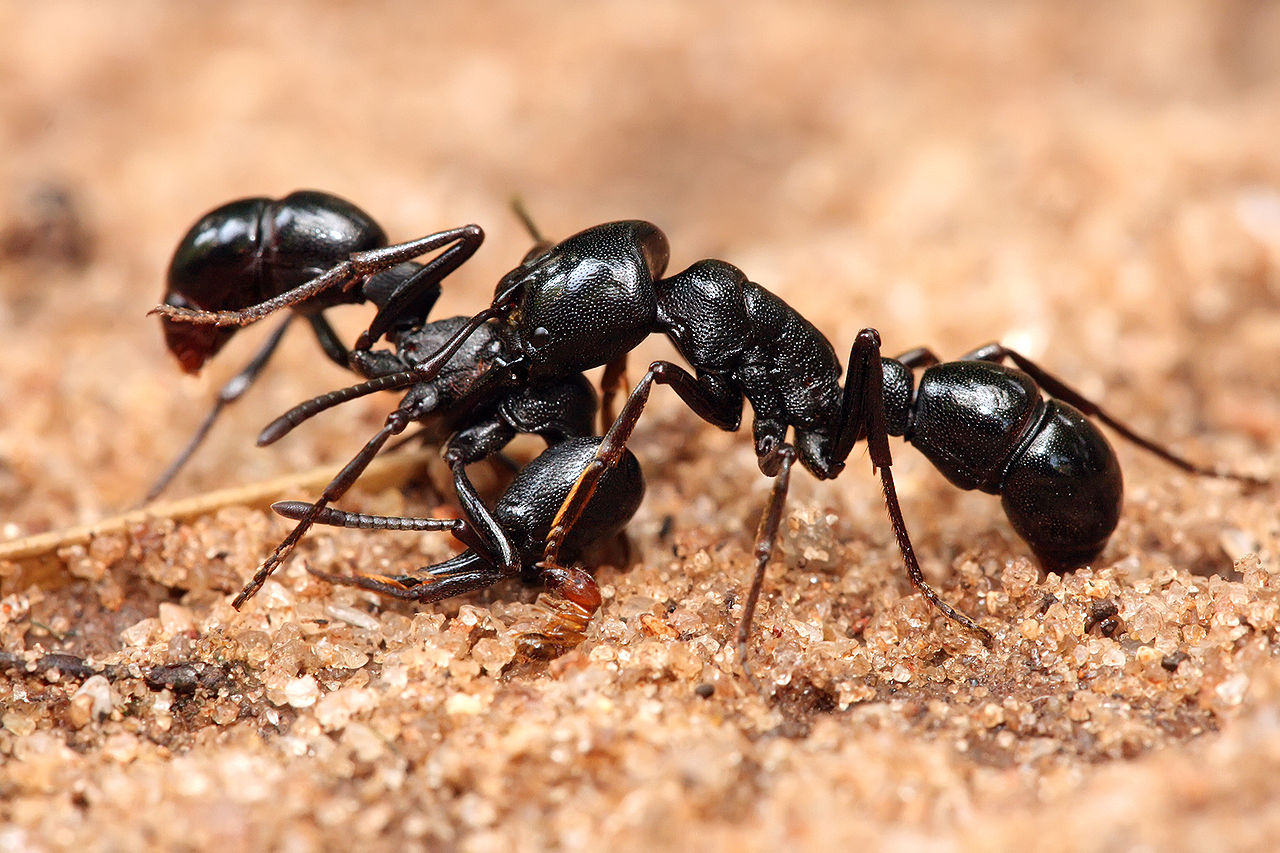


Key characteristics
Members of Apocrita share a set of morphological features that distinguish them from other hymenopterans. Most notable is the narrow connection between the first and second segments of the abdomen, forming a constricted "waist" or petiole. The body is divided into head, thorax and abdomen with the thorax and first abdominal segment often fused into a mesosoma. Many apocritans are winged, with fore- and hindwings coupled by small hooks, and many show reduced wing venation compared with other insects.
- Petiole: one- or two-segmented narrow waist that allows flexible abdominal movement.
- Ovipositor/sting: the egg-laying tube is frequently modified into a sting in groups such as bees and social wasps.
- Holometaboly: complete metamorphosis with distinct larval, pupal and adult stages.
Diversity, taxonomy and notable groups
Apocrita includes numerous families and superfamilies. Well-known groups include ants (Formicidae), bees (Apidae and allies), true wasps and hornets (Vespidae and others), and several large lineages of parasitic wasps such as the braconids and ichneumons (Ichneumonidae). Small chalcid wasps and many other parasitoids occupy diverse ecological niches. The suborder contains almost all parasitic hymenopterans as well as the most socially complex insects.
Life histories and ecological roles
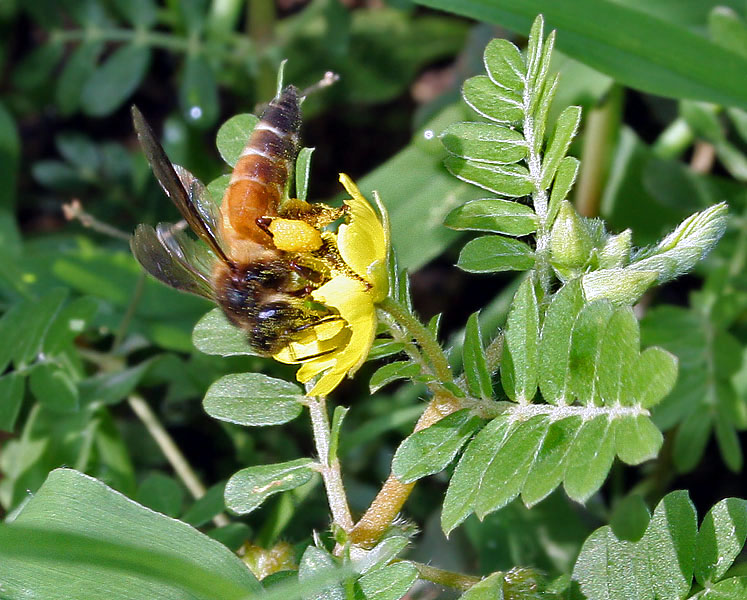
Apocritans exhibit a wide array of lifestyles. Many are predators or parasitoids that develop in or on other arthropods and are important regulators of insect populations. Others are pollinators that visit flowers and carry out vital ecosystem services. Social evolution is prominent in several apocritan lineages: ants and some bees and vespid wasps form colonies with reproductive division of labour and cooperative brood care. Because of these varied roles, apocritans are important in natural ecosystems and in agriculture, where parasitoids are used as biological control agents and many bees pollinate crops.
Origins and notable facts
Fossil evidence and molecular studies indicate that Apocrita diversified long ago, with major radiations occurring by the Mesozoic era and continuing through the Cenozoic. Their evolution of a petiole and modified ovipositor are considered key innovations that enabled behavioral and ecological diversification. Some striking features include the convergent evolution of eusociality in ants, some bees and several wasp lineages, and the prevalence of parasitism: many apocritans lay eggs in or on hosts, with larvae that consume the host.
Distinctions and practical importance
Apocrita can be separated from Symphyta by the waist and by differences in larval form and feeding; sawfly larvae resemble caterpillars and feed externally, whereas many apocritan larvae are grub-like and develop internally or in nests. Because apocritans encompass pollinators, predators and parasitoids, they are central to ecosystem function, human food production and biological control programs. For further general information on insects and apocritan diversity see references on insects and more specific treatments of ants, bees, wasps, and parasitoid groups such as ichneumons and other lists of taxa (species resources).
Tags
Related articles
Author
AlegsaOnline.com Apocrita: the narrow-waisted suborder of Hymenoptera Leandro Alegsa
URL: https://en.alegsaonline.com/art/4892