
Anthocyanin
Anthocyanin: water-soluble plant pigments in the flavonoid family that produce red, purple and blue colors; pH-sensitive, found in many fruits, vegetables and flowers and used as natural colorants and indicators.
Anthocyanins are a class of water-soluble pigments found widely in plants. They give many fruits, vegetables and flowers their red, purple or blue hues and form part of a broader family of flavonoid compounds. In living tissues they appear in vacuoles and are often visible to humans and pollinators as striking coloration.
Image gallery
9 Images



Chemical characteristics
Structurally, anthocyanins are glycosylated derivatives of anthocyanidins built on a flavylium ion core. Their visible colour depends on molecular substitutions, glycosylation or acylation, and the acidity of the surrounding medium. Because of this sensitivity to hydrogen ion concentration, anthocyanins can change colour with pH and are sometimes used as natural pH indicators. They belong to the broader chemical family of flavonoids.
Occurrence and ecological role
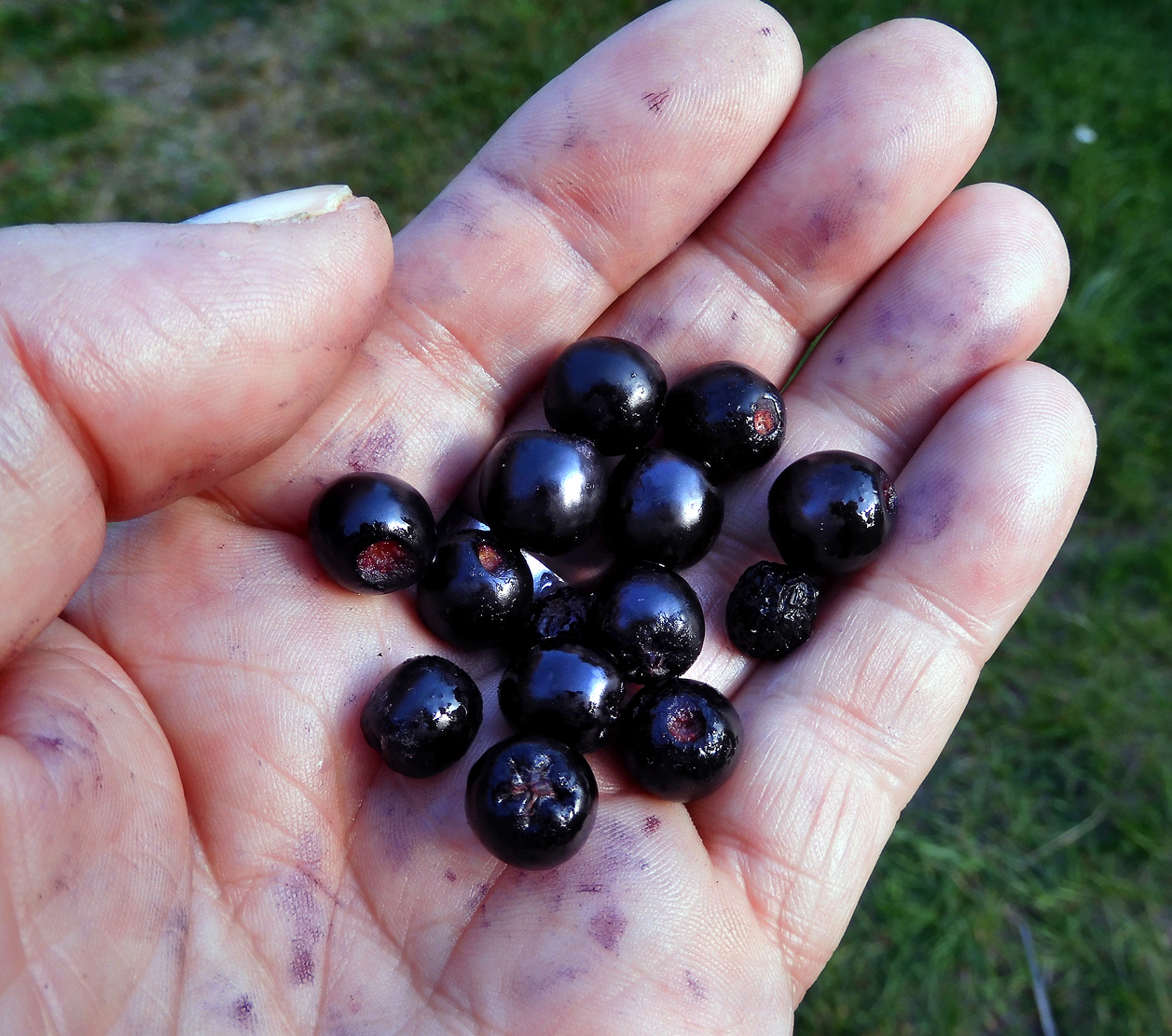
Anthocyanins occur in many plant parts: petals, leaves, fruits and stems. Common sources include berries, grapes, cherries, eggplant skin and purple corn. They are responsible for the deep colour of vegetables such as red cabbage. Ecologically, these pigments can attract pollinators and seed dispersers and may provide protection against ultraviolet light and oxidative stress.
Uses and examples
- Food industry: used as natural colorants and food ingredients, preferred where synthetic dyes are avoided.
- Scientific and educational: their pH-dependent colour shifts make them useful as teaching indicators.
- Traditional and culinary: contribute to the appearance and perceived quality of many fruits and vegetables.
Notable distinctions: anthocyanins are glycosylated forms of anthocyanidins; they differ from carotenoids and betalains, which are unrelated pigment classes producing similar colours in other species. Stability varies widely with pH, temperature and co-pigmentation.
Research interest surrounds their roles in plant physiology and potential benefits in human diets due to antioxidant activity observed in laboratory studies. Their practicality as natural dyes and indicators continues to motivate investigation in food science and horticulture.
Related articles
Author
AlegsaOnline.com Anthocyanin Leandro Alegsa
URL: https://en.alegsaonline.com/art/4572
Sources
- carnivorousplants.org : "Anthocyanin" · web.archive.org