
Anthozoa: sea anemones, corals, and related polyp-form cnidarians
Anthozoa is the class of cnidarians that includes sea anemones and corals. Anthozoans are exclusively polypoid, use nematocysts to feed and defend, and include reef-building and solitary species worldwide.
Anthozoa is a class of marine invertebrates within the phylum Cnidaria. Members of this class are predominantly polyps rather than medusae and form a monophyletic group distinct from the other main cnidarian lineage (Medusozoa). More than 6,100 species have been described, ranging from solitary sea anemones to vast colonies of reef-building corals.
Image gallery
10 Images

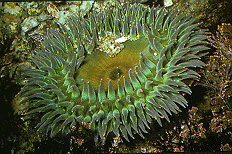


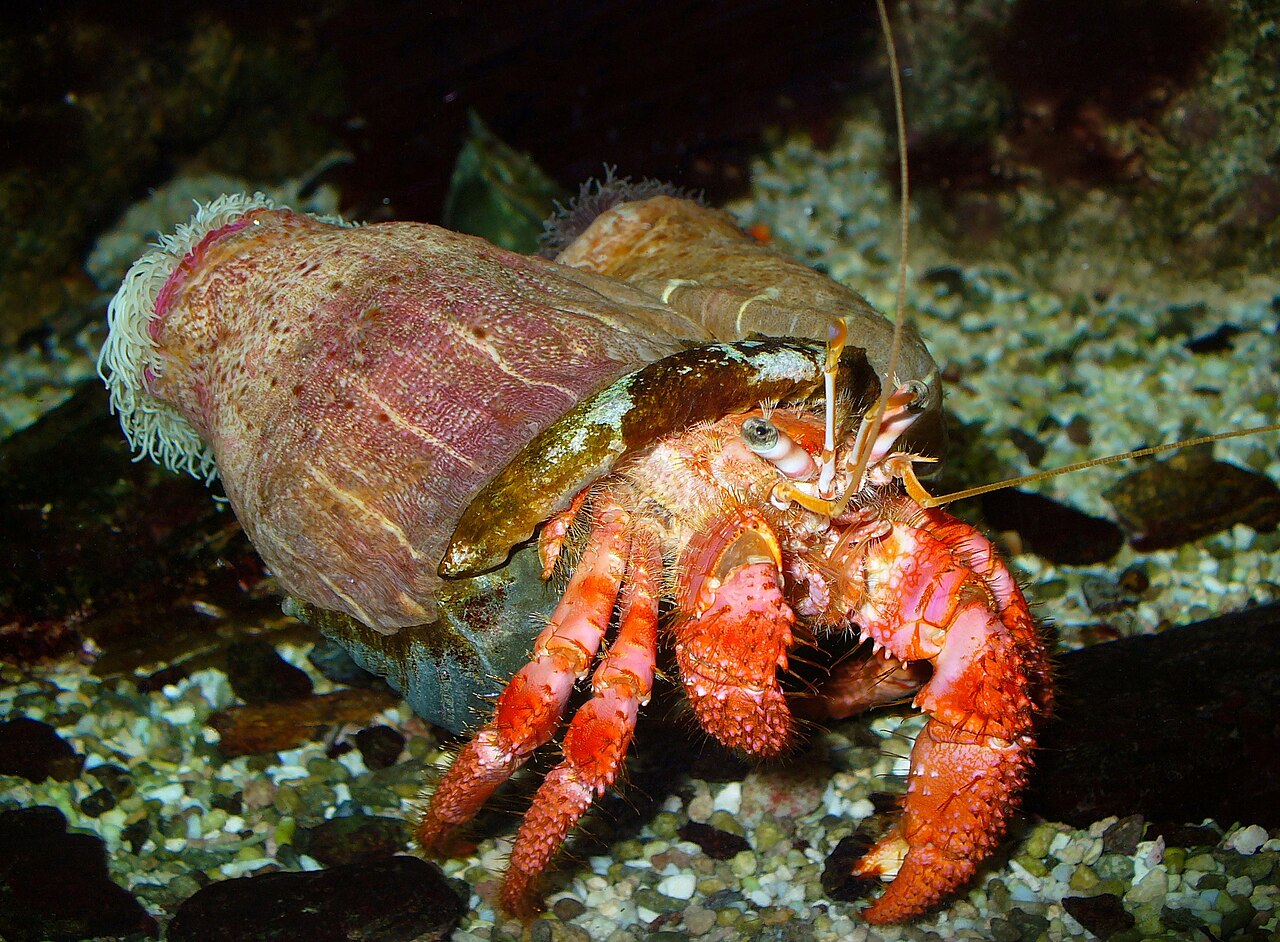
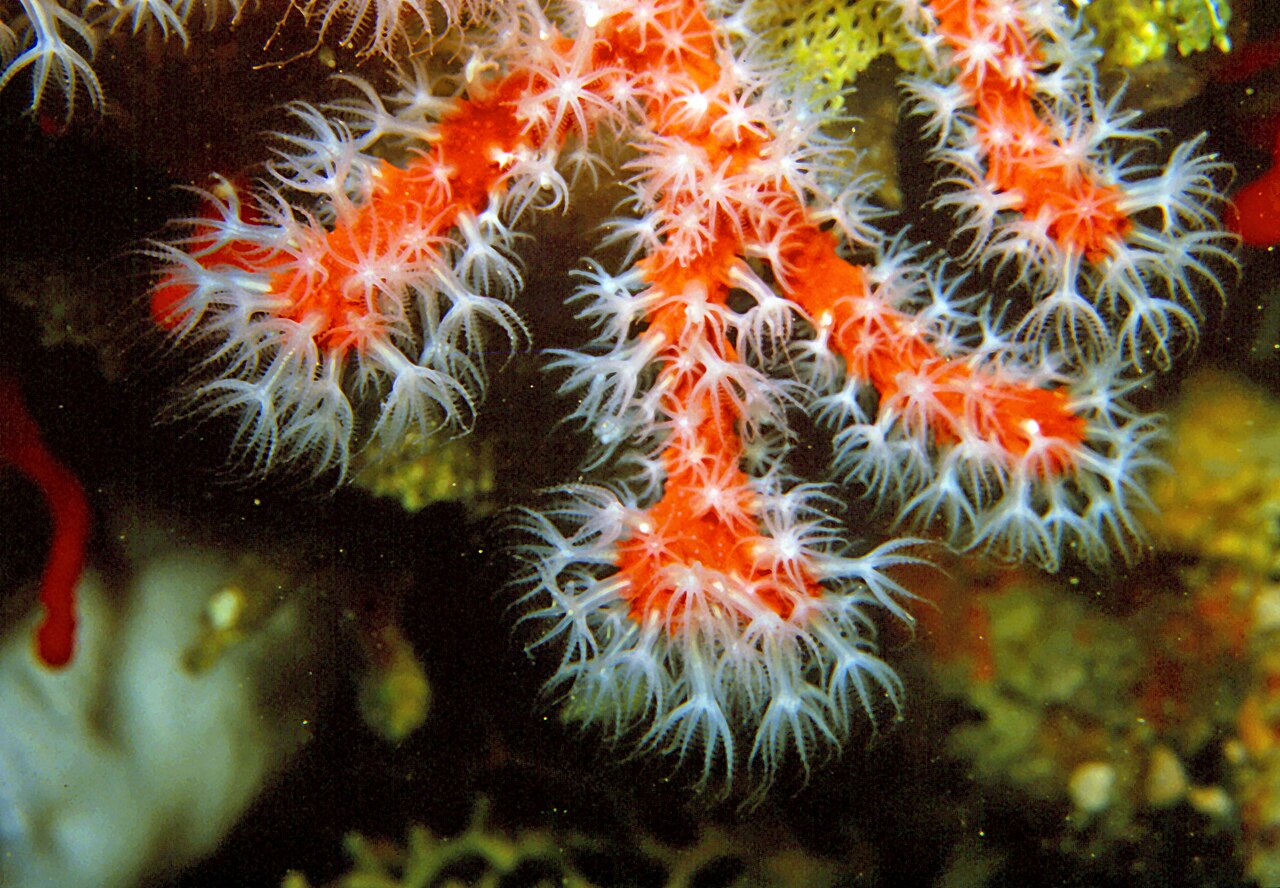

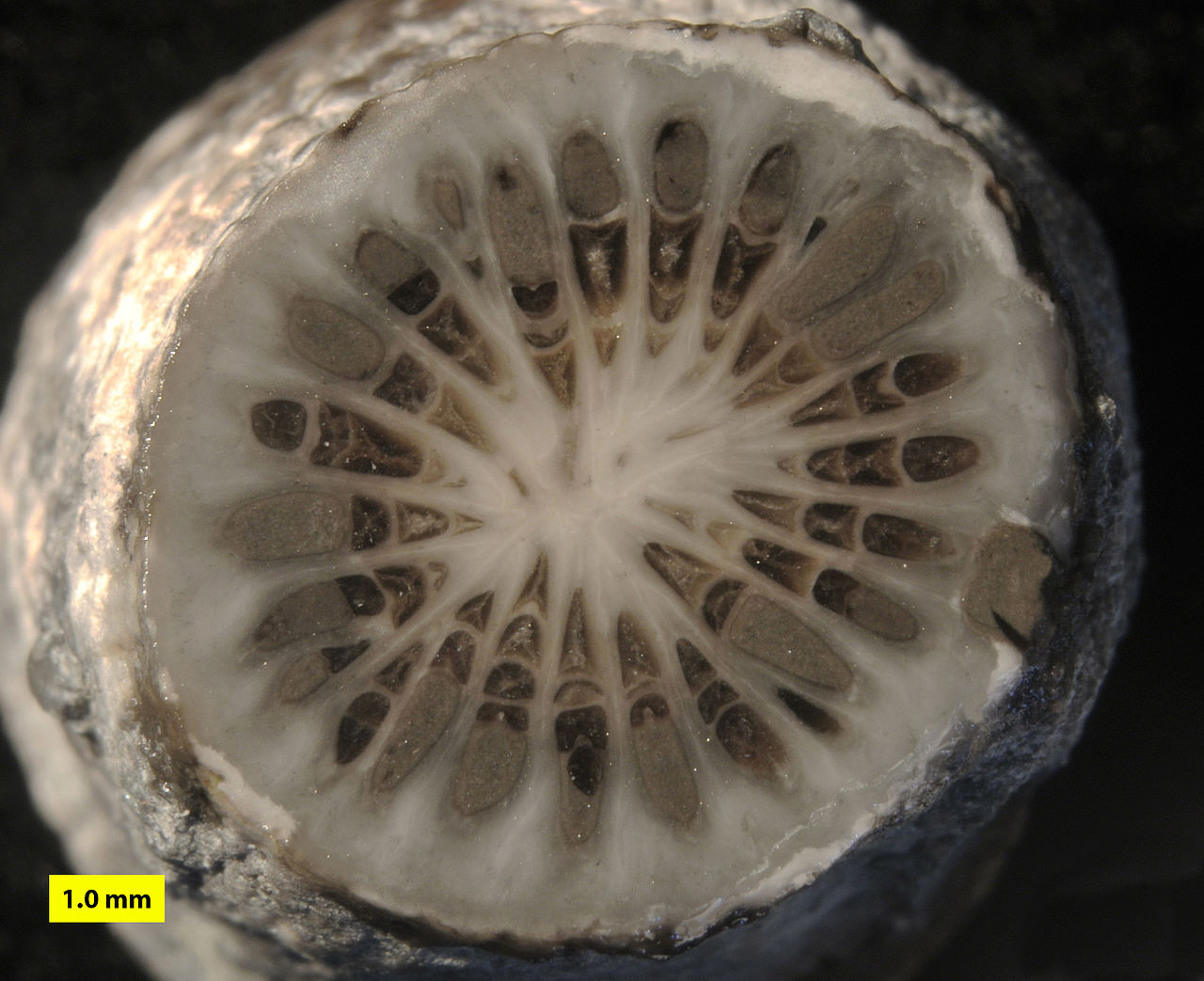
Characteristics and anatomy
Anthozoans share a body plan built around a tubular polyp with a single opening leading to a gastrovascular cavity. Tentacles bearing cnidae capture prey and deter predators; the most familiar of these organelles are nematocysts, specialised stinging cells. Many anthozoans have internal radial partitions (septa) that support digestion and increase surface area. Some produce rigid calcium carbonate skeletons (stony corals), while others are fleshy or leathery (soft corals, sea pens).
Groups and diversity
Taxonomically the class is commonly divided into three main groups: Hexacorallia (including anemones and stony corals), Octocorallia (soft corals and sea fans), and Ceriantharia (tube anemones). Familiar examples include sea anemones, reef-building corals, sea pens, and gorgonians.
Life cycle, ecology, and importance
Unlike many other cnidarians, anthozoans do not have a free-swimming medusa in their life cycle; their development typically proceeds from egg to planula larva and then to a sessile polyp, without a medusa larval stage. Reef-building anthozoans commonly host symbiotic photosynthetic algae (zooxanthellae), which contribute energy and enable the construction of coral reefs. These reefs are biodiversity hotspots, coastal protectors, and foundations for fisheries and tourism.
History, human relevance, and conservation
Coral skeletons form an important fossil record and have helped scientists reconstruct past climates and sea levels. Anthozoans are valued in aquaria, ecosystem services, and scientific research, but they face widespread threats: rising sea temperatures, ocean acidification, pollution, and habitat loss have caused bleaching and declines in many populations. Conservation efforts focus on protected areas, restoration, and reducing local stressors.
- Distinctive feature: absence of a medusa stage.
- Feeding and defense: tentacles armed with nematocysts.
- Major ecological role: reef formation, habitat provision, and biodiversity support.
Questions and answers
Q: What is Anthozoa?
A: Anthozoa is a class in the phylum Cnidaria that includes the sea anemones and corals.
Q: How many subclasses are there in Anthozoa?
A: There are three subclasses in Anthozoa.
Q: What is the difference between Anthozoa and Medusozoa?
A: Anthozoa and Medusozoa are two monophyletic clades in the Cnidaria. The difference is that Anthozoa does not have a medusa larval stage in its development, unlike the rest of the phylum, while Medusozoa does.
Q: How do Anthozoa and other Cnidaria catch food and defend themselves?
A: All Cnidaria, including Anthozoa, catch food and defend themselves by using nematocysts, which are extremely effective stinging cells.
Q: What kinds of organisms are included in Anthozoa?
A: Anthozoa includes sea anemones and corals.
Q: How many species have been described in Anthozoa so far?
A: Over 6,100 species have been described in Anthozoa.
Q: What is a monophyletic clade?
A: A monophyletic clade is a group of organisms that consists of a common ancestor and all of its descendants.
Related articles
Author
AlegsaOnline.com Anthozoa: sea anemones, corals, and related polyp-form cnidarians Leandro Alegsa
URL: https://en.alegsaonline.com/art/4591
Sources
- mapress.com : Abstract - PDF
- mapress.com : "Animal biodiversity: an outline of higher-level classification and survey of taxonomic richness"