
Hugh Dowding — commander of RAF Fighter Command (1882–1970)
Air Chief Marshal Hugh Dowding led RAF Fighter Command during the Battle of Britain and organised Britain’s integrated air-defence system that helped repel the 1940 Luftwaffe campaign.
Overview
Hugh Dowding (24 April 1882 – 15 February 1970) was a senior Royal Air Force officer best known as the commander of RAF Fighter Command in the period leading up to and during the Battle of Britain. As an operational commander he is widely credited with building and directing an integrated air-defence network that combined radar, ground control, and visual observation to conserve and deploy fighter aircraft efficiently against German air attacks.
Image gallery
7 Images


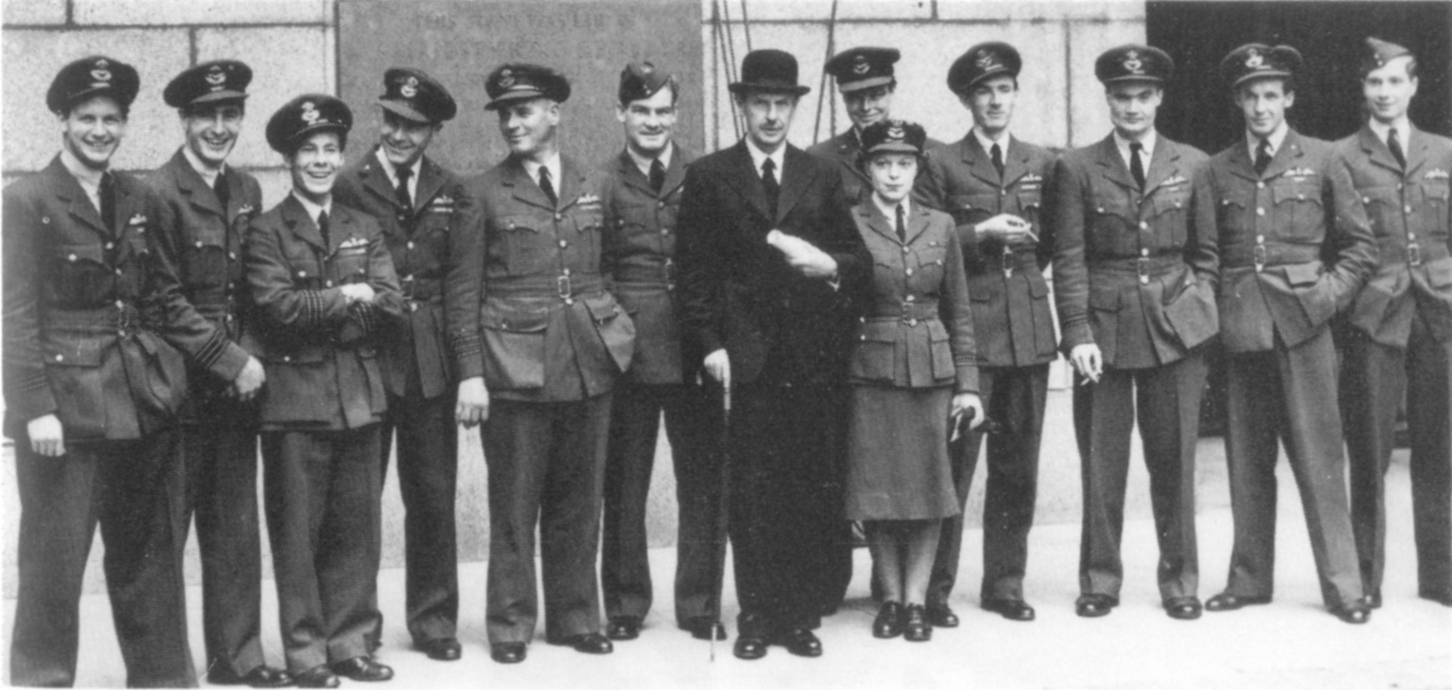
Career and responsibilities
Dowding rose through the ranks of Britain's air services in the years before and after the First World War, becoming a leading advocate for air defence and fighter control. By the late 1930s he held the top post directing Fighter Command and was responsible for organising the sector system, the operations rooms, and the methods by which scrambled squadrons were vectored to intercept incoming raids. He based much of Fighter Command's wartime operations at Bentley Priory, which served as the headquarters for the defence of southern England.
Innovations and doctrine
One of Dowding's lasting contributions was the practical integration of new technologies and organisations into a single, responsive defensive system. This included early warning radar, the Royal Observer Corps, and centralized flight control that tracked enemy formations and allocated fighter squadrons judiciously. Rather than seeking immediate large formations at every contact, Dowding emphasised economy of force and controlled interception so that scarce fighter resources could be kept intact for sustained defence.
Role in the Battle of Britain and controversies
During 1940 Dowding and his senior staff organised Fighter Command's response to the Luftwaffe's sustained offensive. His approach—conserving experienced pilots, coordinating sectors, and timing interceptions—was a key element of Britain’s ability to resist massed bombing and fighter attacks. The period also featured controversies over tactics, most famously arguments about the "Big Wing" concept promoted by some senior pilots and commanders. Dowding's cautious, centralized control clashed with advocates of massed formations; these disagreements, together with political and inter-service tensions, contributed to his removal from direct command later in 1940.
Legacy and assessment
Historians generally regard Dowding as the architect of Britain's effective early-war air defences. He is often credited with creating the command-and-control arrangements and operational methods that allowed the RAF to make efficient use of limited resources. While controversy attended his departure from operational command, his role in preserving Britain's air defence capability in 1940 is a central element of his reputation.
Notable facts and further reading
- Dowding's leadership combined technical innovation with strict operational discipline.
- He presided over Fighter Command through the critical months of summer and autumn 1940.
- Assessments of his career consider both his strategic foresight and the disputes that ended his frontline command.
For contextual information on his service and the organisations he led, see summaries of the Royal Air Force, the wider conflict of World War II, and accounts of the Battle of Britain. Broader background about the German leadership and the invasion threat is available in sources covering Hitler and the strategic plans of 1940; operational studies of Fighter Command often cite Dowding's methods and decisions as central to Britain's defence, including debates recorded in contemporary correspondence and later histories (further reading).
Related articles
Author
AlegsaOnline.com Hugh Dowding — commander of RAF Fighter Command (1882–1970) Leandro Alegsa
URL: https://en.alegsaonline.com/art/45572