
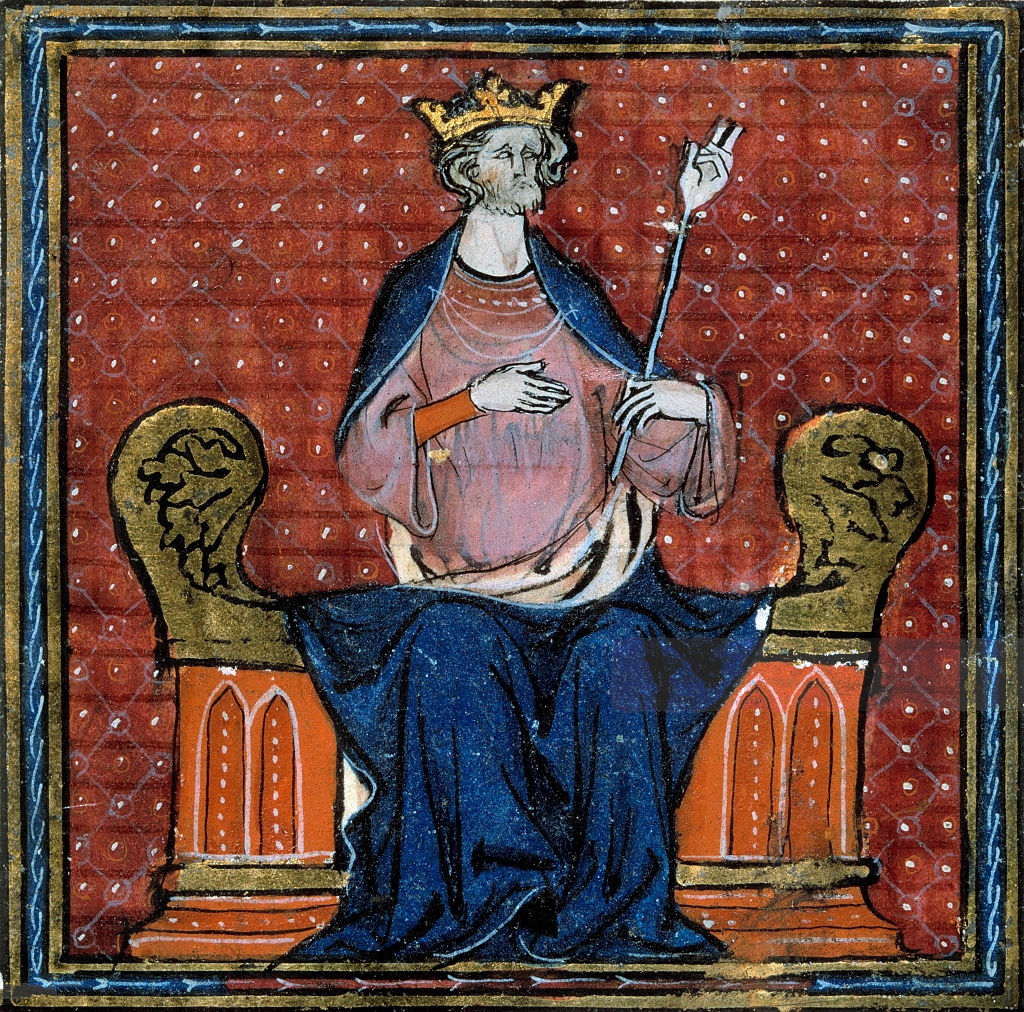
Hugh Capet (c. 941–996), founder of the Capetian dynasty
Hugh Capet, elected King of the Franks in 987, established the Capetian house that shaped medieval and early modern France. He ruled until 996 and worked to secure hereditary succession for his descendants.
Hugh Capet (c. 941–996) was a leading West Frankish noble who became King of the Franks in 987. His election ended the dominant phase of the Carolingian line and began a new royal house whose descendants would shape French monarchy for many generations. He is often presented as the founder of the Capetian dynasty and a transitional figure between the late Carolingian past and the medieval French state.
Image gallery
8 Images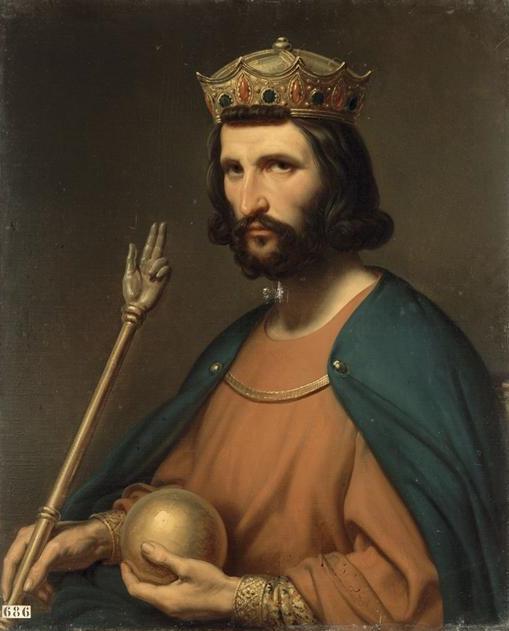




Background and rise
Born into a powerful aristocratic family, Hugh was the son of Hugh the Great and a member of the Robertian lineage. Before becoming king he held important territorial and military influence in the Île-de-France and surrounding regions. When the last ruling Carolingian, Louis V, died without an heir, leading nobles and churchmen selected Hugh as king, preferring a strong regional magnate who could maintain order and protect ecclesiastical privileges.
Reign and governance
Hugh Capet’s authority was more the product of alliance and prestige than of centralized state power. He ruled through personal relationships with other nobles and with bishops, exercising influence particularly around Paris. To secure the future of his house he arranged for his son to be associated with the throne, initiating a practice that helped transform succession into a dynastic principle.
Legacy and importance
The dynasty that grew from his descendants—known broadly as the Capetians—provided a long sequence of rulers who consolidated royal authority over centuries. While Hugh’s own direct control was limited, his successful transfer of kingship to his heirs marked a crucial institutional shift. Historians regard him as the figure who converted a fragile elective kingship into the basis for hereditary rule.
Notable facts and distinctions
- Hugh’s epithet "Capet" has uncertain origins and is the subject of scholarly debate.
- He balanced the interests of magnates, clergy and local communities rather than imposing unchallenged centralized rule.
- His immediate successor was his son, Robert II, continuing the family’s hold on the crown.
For further reading on his life and the early Capetians, see contemporary scholarly surveys of early medieval France and introductions to the Capetian dynasty: Hugh Capet, the Frankish kingdom, and studies on dynastic succession in medieval Europe. General overviews of the dynasty and its long-term impact are available in comprehensive histories of France covering the Middle Ages.
Related articles
Author
AlegsaOnline.com Hugh Capet (c. 941–996), founder of the Capetian dynasty Leandro Alegsa
URL: https://en.alegsaonline.com/art/45570