
Jean, Grand Duke of Luxembourg
Jean (1921–2019) was Grand Duke of Luxembourg from 1964 to 2000. A wartime exile who served with Allied forces, he presided over a modernizing constitutional monarchy and abdicated in favor of his son Henri.
Jean (5 January 1921 – 23 April 2019) served as Grand Duke of Luxembourg from 1964 until his abdication in 2000. His reign spanned the Cold War and the expansion of European institutions; he played a largely ceremonial but stabilizing role as head of state while Luxembourg developed into an international financial and political centre.
Image gallery
10 Images


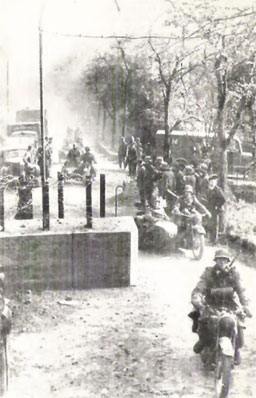
Early life and wartime service
Born to Grand Duchess Charlotte and Prince Felix of Bourbon-Parma, Jean spent his childhood in the Luxembourg grand ducal household. During World War II, when Luxembourg was occupied by Nazi Germany, the grand ducal family went into exile. Jean joined the Allied war effort and served with Allied armed forces, an experience that shaped his outlook on European cooperation and postwar reconstruction.
Reign and constitutional role
As constitutional monarch, Jean exercised duties typical of modern European heads of state: representing the nation, receiving foreign dignitaries, signing laws enacted by parliament, and providing moral and ceremonial leadership. His tenure was marked by continuity and restraint, emphasizing national unity and the nonpartisan nature of the monarchy while Luxembourg deepened ties within Europe.
Family and succession
Jean married Princess Joséphine-Charlotte of Belgium; their marriage linked the grand ducal family to other European royal houses. He was the father of several children and the grandfather of a new generation of royals. On abdicating the throne in favour of his eldest son, Grand Duke Henri, in 2000, Jean became a respected elder statesman of the dynasty.
Legacy and later life
After stepping down he remained an important public figure, attending national ceremonies and supporting charitable causes. His long life—he died in 2019 at age 98—made him a link between Luxembourg’s wartime ordeals and its late-20th-century prosperity. Observers remember him for steadiness, devotion to public service, and support for European cooperation.
Notable facts
- Reigned from 1964 to 2000, then abdicated voluntarily.
- Part of a grand ducal house with ties across Europe.
- Wartime exile and service with Allied forces shaped his outlook.
- Remembered for a low-key, constitutional approach to monarchy.
Related articles
Author
AlegsaOnline.com Jean, Grand Duke of Luxembourg Leandro Alegsa
URL: https://en.alegsaonline.com/art/121613
Sources
- gouvernement.lu : "HRH Grand Duke Jean"
- lux-arazzi.blogspot.co.uk : "The Grand Duke Jean"
- delano.lu : delano.lu/article/delano_grand-duke-jean-passes-away