
House of Glücksburg
A cadet branch of the Oldenburg dynasty, the House of Glücksburg provided monarchs and consorts across Europe, notably in Denmark, Norway, Greece and through Prince Philip, the British royal family.
Overview
The House of Glücksburg (anglicized Glucksburg) is a European royal dynasty that developed as a cadet branch of the older House of Oldenburg. It emerged in the 19th century and became influential across Scandinavia and beyond through dynastic marriages and successions. Members of the house have occupied thrones in Denmark and Norway, supplied a king of Greece in the twentieth century, and through marriage entered the British royal family.
Image gallery
10 Images

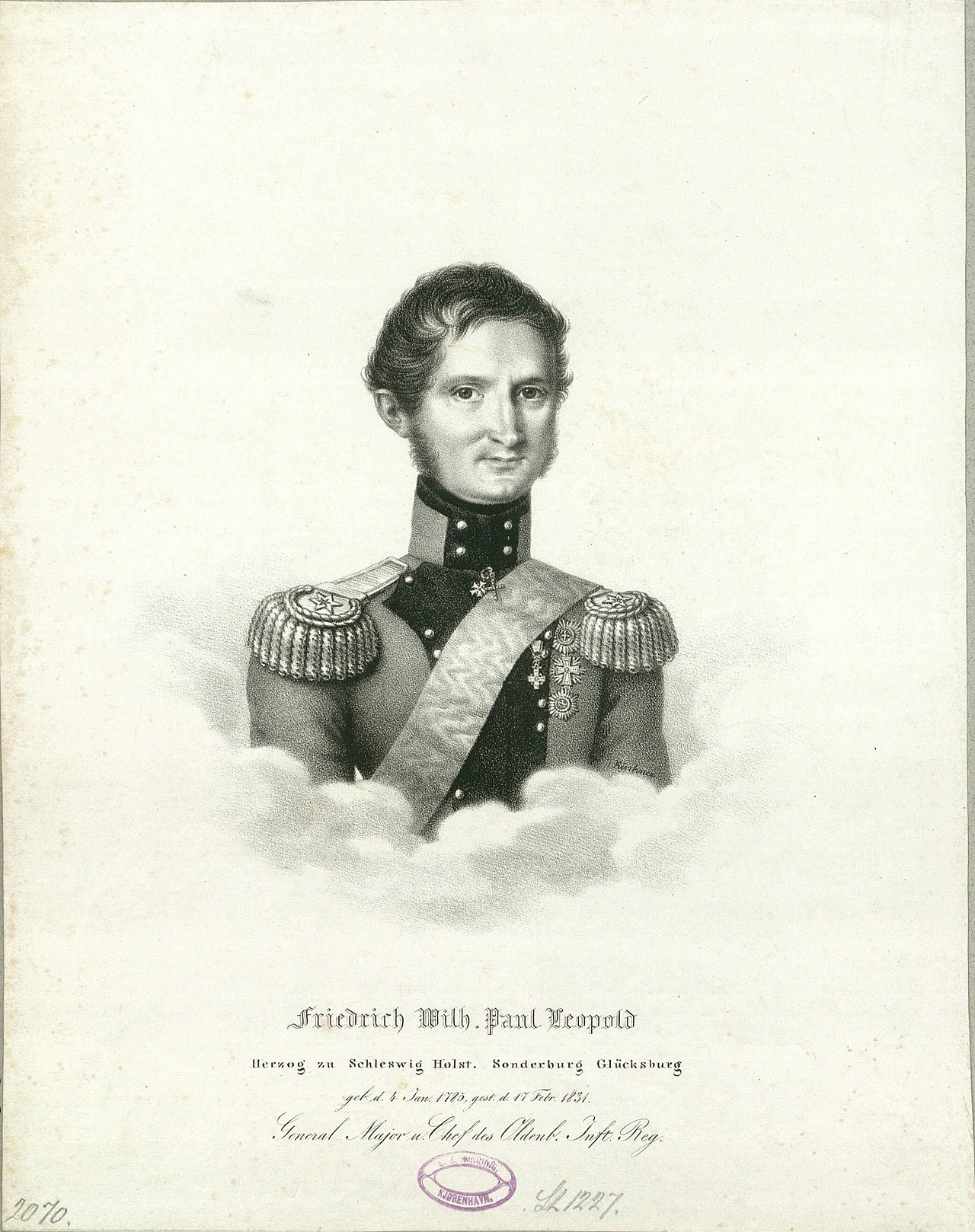


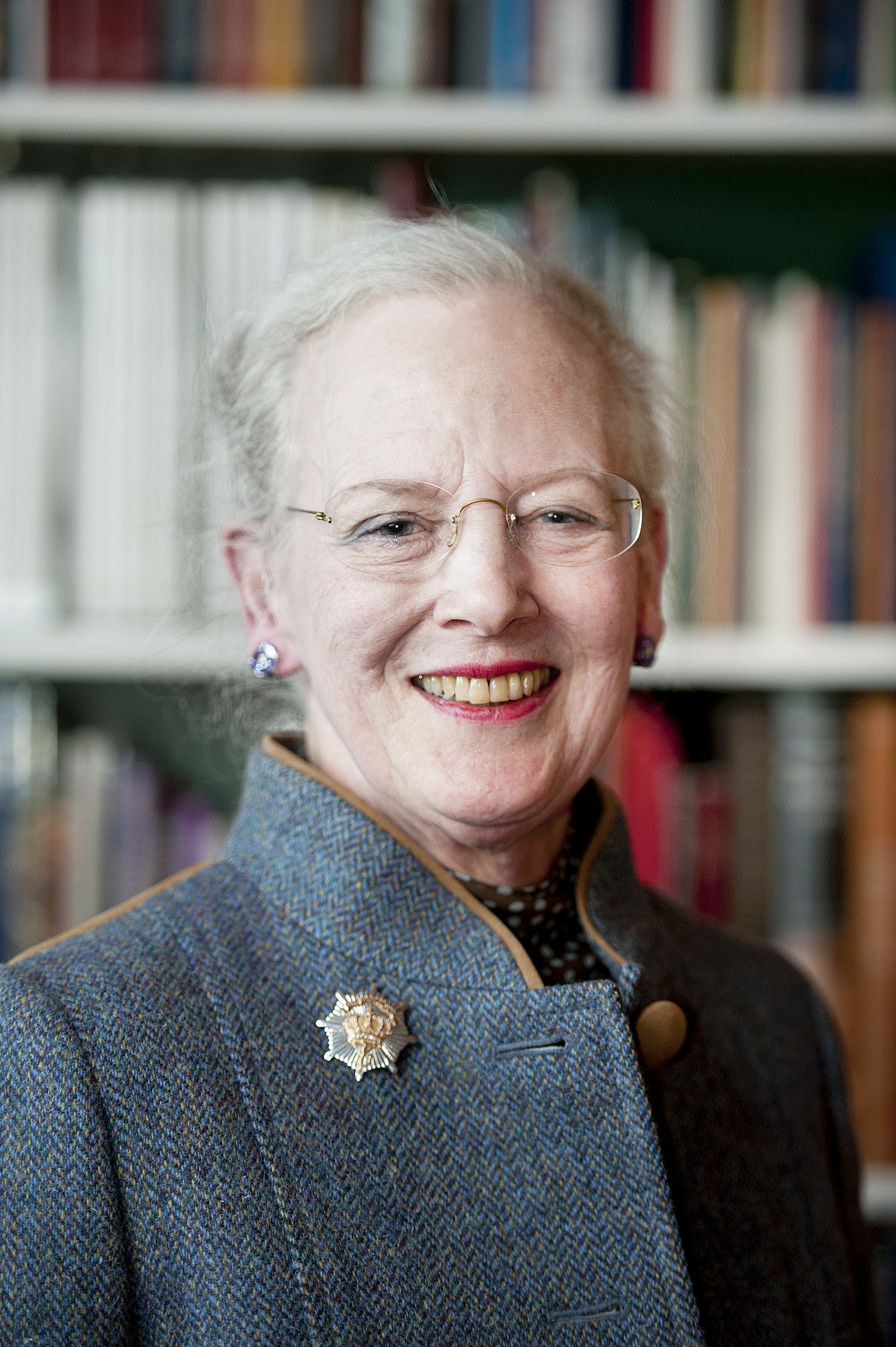



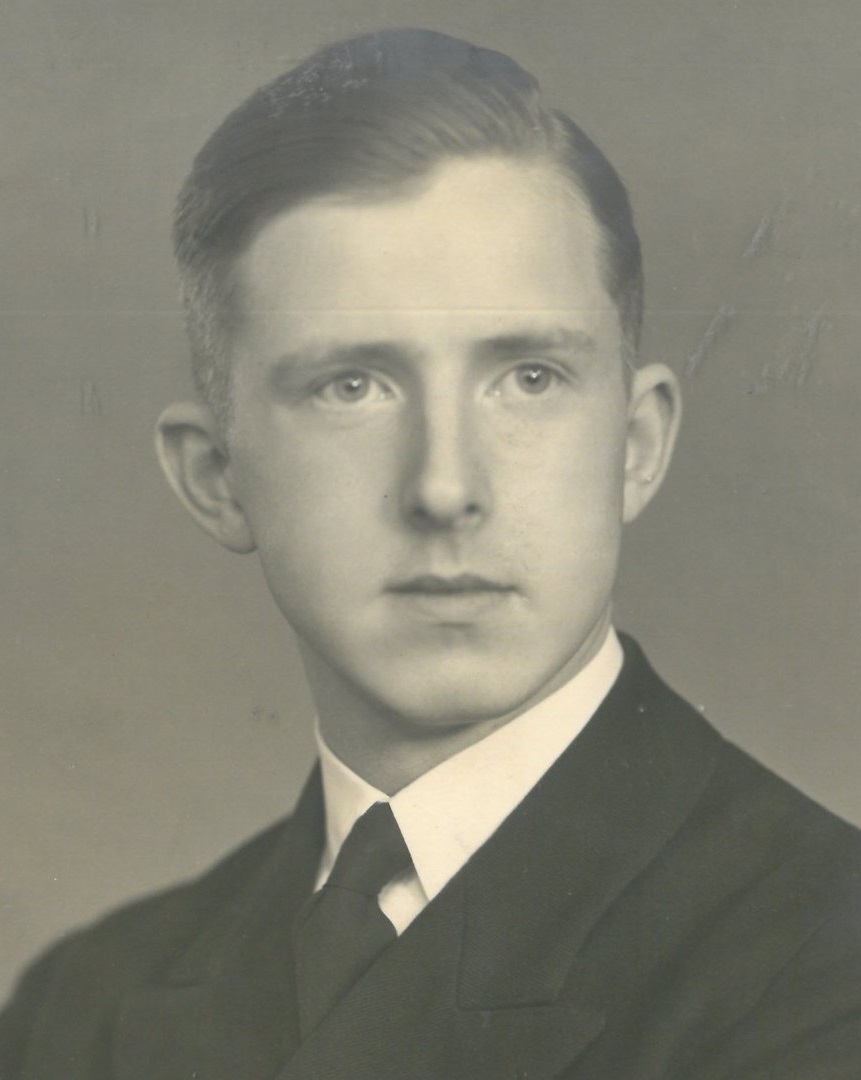
Origins and branches
The family's name derives from Glücksburg, a small ducal seat in the Schleswig-Holstein region. As a cadet line of Oldenburg it was established during the era when European monarchies frequently arranged cross-border marriages to secure alliances and succession rights. That pattern produced distinct national branches: the Danish line, the Norwegian line, and the Greek line (the latter no longer reigning). These branches retained close kinship ties while becoming part of the constitutional monarchies or former monarchies where they served.
Notable members
- Prince Philip, Duke of Edinburgh — born into the house and later the consort of Queen Elizabeth II, he brought the family into close association with the British royal family.
- Charles, Prince of Wales and his sons are descended from Prince Philip in the male line, linking them by patrilineal descent to the Glücksburgs even though the British reigning house is styled Windsor.
- Queen Margrethe II of Denmark — a reigning monarch from the Danish Glücksburg line and a prominent contemporary head of state in Scandinavia.
- King Harald V of Norway — head of the Norwegian branch and an example of the house's role in modern constitutional monarchies.
- Christoph, Prince of Schleswig-Holstein — recognized as head of the house since 1980 and representative of the Glücksburg dynastic lineage.
Role and historical significance
The Glücksburgs illustrate how cadet branches could rise to primary importance in multiple countries through strategic marriage and succession laws. The house played a part in 19th and 20th century European statecraft, especially in Scandinavia where its members became symbols of continuity for constitutional monarchies. The family's Greek episode ended with the mid-20th century abolition of that monarchy, but Danish and Norwegian branches remain active as reigning houses.
Distinctions and legacy
Although members of the British royal family are patrilineally descended from the House of Glücksburg through Prince Philip, naming conventions and royal styles differ: the British sovereigns use the dynastic name Windsor (and the personal surname Mountbatten‑Windsor for some descendants). For readers seeking more detailed genealogical charts, dynastic histories and discussions of succession law, authoritative surname and genealogy resources can be consulted; a general introduction is available from sources such as House of Glücksburg references.
Related articles
Author
AlegsaOnline.com House of Glücksburg Leandro Alegsa
URL: https://en.alegsaonline.com/art/45312