
Gonzaga Dynasty of Mantua: Rulers, Territories, and Cultural Patronage (1328–1708)
Explore the Gonzaga dynasty of Mantua (1328–1708): how they acquired titles and territories, influenced politics and the Church, and shaped regional art, architecture, and cultural patronage.
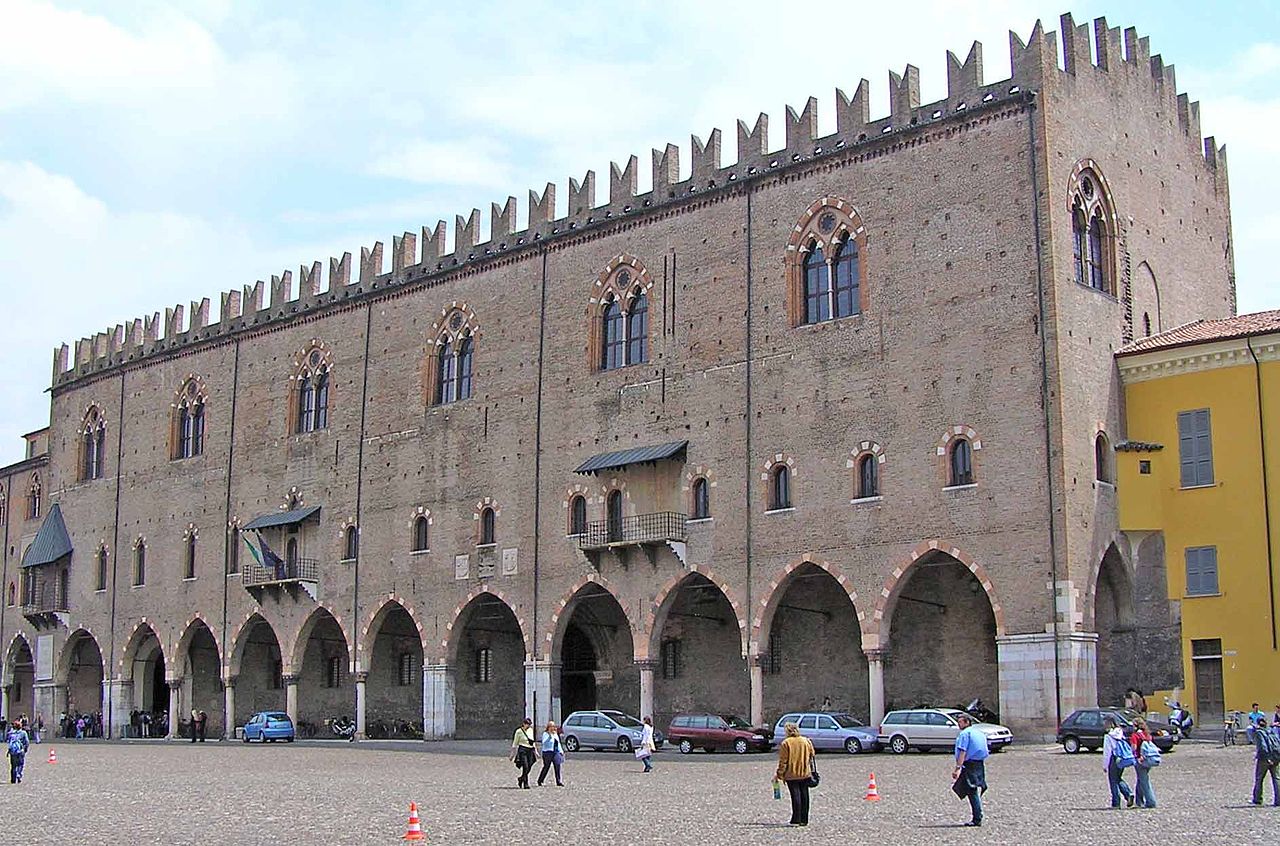
House of Gonzaga was a leading noble dynasty that governed the city of Mantua in northern Italy from 1328 until 1708. Over the centuries the family expanded its influence through marriage, purchase and imperial grants, acquiring other territories and a broad role in regional politics.
Image gallery
10 Images




Territories and titles
The Gonzagas ruled Mantua as marquises and later dukes, and held additional lands such as the Marquisate of Monferrato in Piedmont. Branches of the family also controlled the county of Nevers in France, together with a number of smaller fiefs scattered in Italy and beyond.
Notable members and the Church
Members of the house were prominent in both secular and ecclesiastical life. The family produced a canonized saint, and several generations supplied high-ranking clergymen — including twelve cardinals and fourteen bishops — who served in the administration of the Catholic Church.
Legacy
The Gonzagas are remembered for their patronage of the arts, governance of Mantua for nearly four centuries, and their role in the diplomatic and religious networks of early modern Europe. The direct male line lost control of Mantua in 1708, but the family’s cultural and political impact remained visible in the region’s architecture, collections and historical memory.
Related articles
Author
AlegsaOnline.com Gonzaga Dynasty of Mantua: Rulers, Territories, and Cultural Patronage (1328–1708) Leandro Alegsa
URL: https://en.alegsaonline.com/art/45313