
Tegucigalpa — capital and largest city of Honduras
Tegucigalpa is the capital and largest city of Honduras, a highland metropolis known for its colonial origins, administrative role, cultural landmarks and rapid urban growth paired with environmental challenges.
Overview
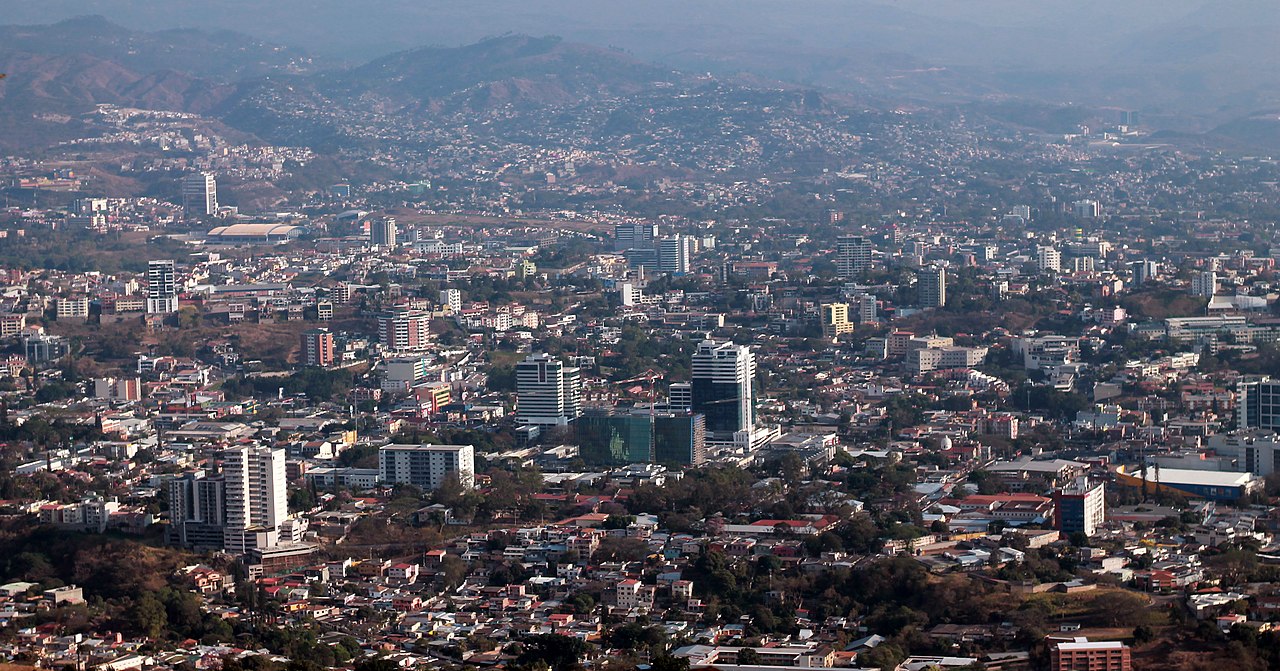
Tegucigalpa is the political and administrative capital of the Republic of Honduras and its largest urban centre. Nestled in a mountainous valley in the central highlands, the city serves as the seat of government, diplomatic missions and many national institutions. In the early 21st century the urban population was reported at around 1.2 million (2006 estimate), with a larger metropolitan area when nearby Comayagüela and surrounding districts are included.
Image gallery
10 Images




Geography and urban structure
The modern metropolis is built across steep hills and narrow valleys. Tegucigalpa and the adjacent city of Comayagüela, separated by a river, together form the Distrito Central (Central District), the main administrative division that contains government buildings, residential neighbourhoods and commercial zones. Elevation moderates the tropical climate, producing milder temperatures than Honduras's lowland coasts.
History and development
Founded during the Spanish colonial era as a mining and agricultural settlement, Tegucigalpa developed slowly into a regional centre before being designated the capital. Over time it accumulated colonial churches, republican-era governmental architecture and newer suburban districts. Its growth accelerated in the 20th century as rural migration and centralization concentrated services and industry in the capital.
Economy, culture and institutions
The city's economy is dominated by public administration, banking, commerce, services and light manufacturing. Cultural life includes museums, theaters, religious festivals and educational institutions. A notable pilgrimage site is the Basilica of Our Lady of Suyapa, an important religious landmark for many Hondurans.
Challenges and notable facts
Tegucigalpa faces common urban challenges: traffic congestion, informal settlements, and vulnerability to heavy rains and landslides in steep areas. Natural disasters have had significant local impact in recent decades. The city is often referred to colloquially as Tegus, and it plays a central role in national politics and economy despite these planning and environmental pressures.
Points of interest and further information
- Historic colonial churches and plazas
- Government and diplomatic quarter
- Basilica of Our Lady of Suyapa and other religious sites
- Markets, museums and cultural festivals
For an official overview and visitor information see Tegucigalpa resources, and for national context consult general information on Honduras.
Author
AlegsaOnline.com Tegucigalpa — capital and largest city of Honduras Leandro Alegsa
URL: https://en.alegsaonline.com/art/96754
Sources
- tubabel.com : "Meaning of word "Tegus""
- internations.org : "Enjoy your Tegucigalpa Expat Experience"
- lacapitaldehonduras.com : "Members of the Municipal Corporation"
- honduras.com : "ZIP Codes for Honduras"
- callingcodes.org : "Honduras Country Codes"