
Hookah: history, design, cultural use and health considerations
Hookah (also narghile or shisha) is a water pipe used to smoke tobacco or herbal mixtures. This article explains its parts, operation, history, cultural roles, varieties and health/legal considerations.
Overview
A hookah is a multi-part water pipe designed for smoking flavored tobacco known as shisha or alternative herbal mixtures. It is known by several names — including narghile, nargile, shisha and hubble-bubble — depending on region and language. A hookah session typically involves heating the smoking material with charcoal and drawing the resulting smoke through water before it is inhaled via a hose and mouthpiece.
Image gallery
10 Images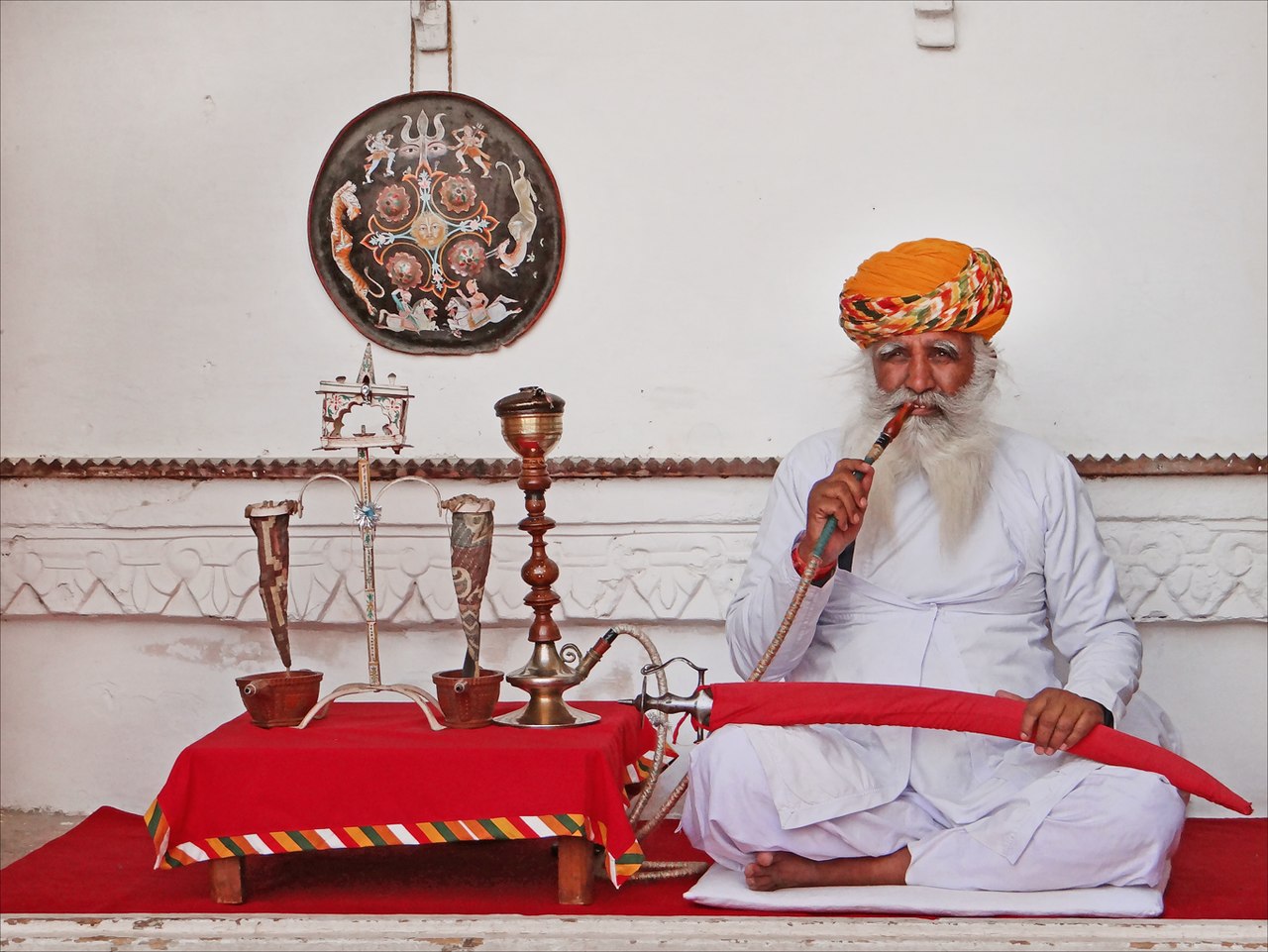


Parts and how it works
Most hookahs share a common basic structure. Key components include:
- Bowl (head): holds the tobacco or herbal mixture and the charcoal placed above it.
- Stem and body: a vertical tube that connects the bowl to the base, often made of metal.
- Base (water jar): a glass or metal chamber partially filled with water to cool and filter the smoke.
- Hose(s) and mouthpiece: flexible tubing used to draw smoke from the base.
- Charcoal and heat management: provides indirect heat to vaporize the shisha without burning it directly.
The smoker does not directly burn the tobacco; instead, charcoal heats it indirectly. Drawn smoke passes down the stem, bubbles through the water and travels through the hose to the user. Water cools the smoke and removes some particulate matter, but does not eliminate toxic constituents.
History and development
The hookah has a long and diffuse history across South Asia, the Middle East and North Africa. It is often linked to developments in the Indian subcontinent and later became widespread in Persia and the Ottoman Empire, where it evolved into ornate forms and social customs. Over centuries, regional styles, materials and flavors developed — from simple bamboo or coconut-based designs to elaborate metal-and-glass pieces made for courtyards and coffeehouses.
Cultural role, varieties and modern uses
Hookah smoking has historically been a social activity, common in cafés, homes and ceremonial gatherings. Today, hookah lounges and specialized cafés offer communal sessions with a wide range of flavored tobaccos (fruit, floral, spice) and non-tobacco herbal alternatives. Variations include single- and multi-hose systems, portable models, and decorative artistic pieces that reflect local craftsmanship.
Health, safety and legal considerations
Although water cools the smoke, hookah smoke contains carbon monoxide, heavy metals and carcinogens similar to other forms of smoked tobacco. Public-health authorities caution that hookah use carries risks for both users and bystanders through secondhand smoke. Regulations and age restrictions for hookah establishments vary by country and region. For information about tobacco products and alternatives, see tobacco resources and herbal mixtures information.
Notable distinctions: shisha usually refers to the flavored tobacco mixture; narghile and nargile are regional names for the device. Modern innovation has introduced heat management devices and electronic hookahs, but traditional charcoal-heated hookahs remain the most common worldwide.
Questions and answers
Q: What is a hookah?
A: A hookah is a type of glass water pipe used to smoke tobacco or special hookah-tobacco called "shisha".
Q: What else can be smoked using a hookah?
A: A hookah can also be used for smoking herbal fruits.
Q: When did the hookah gain popularity?
A: The hookah gained popularity under the reign of the Ottoman Dynasty.
Q: How does a hookah operate?
A: A hookah operates by water filtration and indirect heat.
Q: What is the purpose of the water filtration in a hookah?
A: The purpose of the water filtration is to filter out harmful substances and provide a cooler smoking experience.
Q: What is shisha?
A: Shisha is a special hookah-tobacco that is flavored and moist.
Q: What is indirect heat in a hookah?
A: Indirect heat in a hookah refers to the charcoal that is placed on top of the tobacco, which provides heat without directly coming into contact with it.
Related articles
Author
AlegsaOnline.com Hookah: history, design, cultural use and health considerations Leandro Alegsa
URL: https://en.alegsaonline.com/art/45042
Sources
- encyclopedia.jrank.org : "Hookah"
- hookahcompany.com : "Hookah History"
- iconhookah.com : "Modern hookahs"