
Magnoliales — order of flowering plants
Magnoliales are an order of primarily woody, often aromatic flowering plants in the magnoliid clade, including magnolias, custard apples, nutmeg and other taxa of ecological, ornamental and economic value.
Magnoliales is an order of flowering plants placed within the magnoliid group, a lineage of angiosperms that diverged early in the evolutionary history of flowering plants. Members of this order are best known for large, showy flowers, simple leaves, and a tendency toward woody growth forms. They occur mainly in tropical and temperate regions and include both familiar garden trees and economically important tropical species.
Image gallery
3 Images
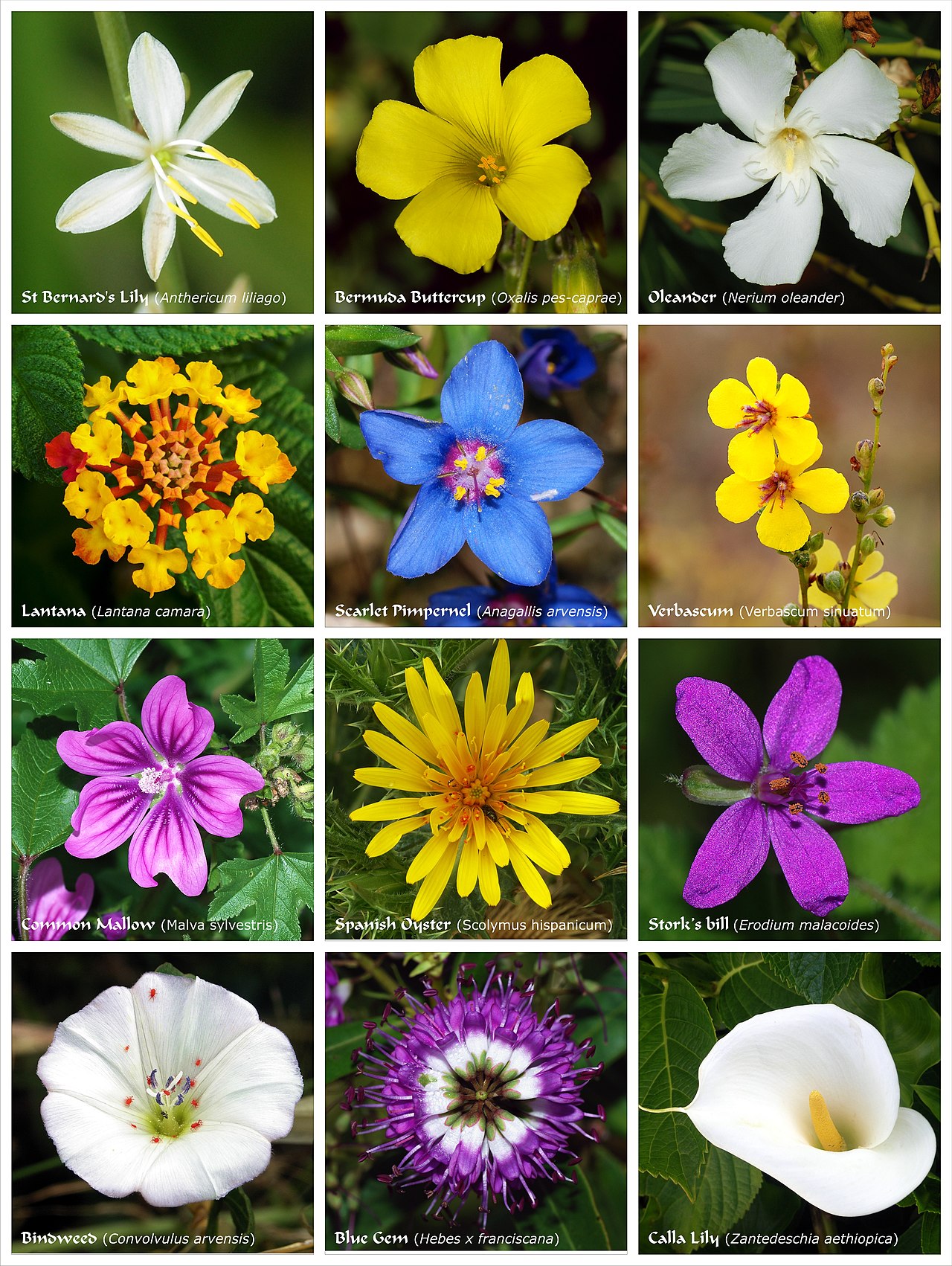

Characteristics
Plants in Magnoliales typically have alternate, simple leaves and flowers with parts that are not clearly differentiated into distinct petals and sepals; these undivided floral parts are often called tepals. Many species bear numerous stamens and carpels arranged spirally on an elongated receptacle, a feature considered ancestral among flowering plants. Aromatic compounds are common, and wood anatomy often reflects a woody or evergreen habit.
Major groups
- Magnoliaceae — magnolias and allied genera, known for large ornamental flowers.
- Annonaceae — custard apples, soursop and other tropical fruit-bearing trees and shrubs.
- Myristicaceae — the nutmeg family, source of spices and aromatic oils.
- Other smaller families and related lineages that share similar floral and vegetative traits.
Different classification systems have varied in which families are included; modern molecular studies have clarified relationships but some circumscriptions remain subject to taxonomic revision.
Evolution and fossil record
Magnoliales belong to an early-diverging group of angiosperms often called magnoliids. Fossils and molecular evidence indicate that members of this lineage were already present by the time flowering plants diversified in the Cretaceous, and their floral structure is frequently cited in discussions of ancestral angiosperm morphology.
Uses and importance
- Ornamental: many magnolias and related species are cultivated for their showy flowers.
- Economic: nutmeg (Myristica) and various Annonaceae fruits are commercially significant in some regions.
- Timber, traditional medicines, and essential oils derived from bark, leaves, or seeds.
- Ecological: these plants provide food and habitat for diverse tropical and temperate fauna.
For summary treatments, keys to families, and more detailed botanical descriptions, see further information on Magnoliales. Though often described as "primitive" in botanical literature, this label refers to retained ancestral features rather than inferiority; the order represents an important early chapter in the story of flowering-plant evolution.
Related articles
Author
AlegsaOnline.com Magnoliales — order of flowering plants Leandro Alegsa
URL: https://en.alegsaonline.com/art/60663