
Hogna: large wolf spiders of the family Lycosidae
Hogna is a genus of large, ground-dwelling wolf spiders (Lycosidae). Species are active hunters, often burrowing or hiding in leaf litter, and play an important role as insect predators.
Hogna is a genus of robust, ground-oriented spiders commonly grouped with wolf spiders in the family Lycosidae. Members of this genus are notable for their relatively large size, powerful build and active hunting lifestyle: rather than constructing capture webs they pursue or ambush prey on the ground. Their overall appearance tends toward muted browns, greys and blacks, which helps them blend into soil and leaf litter.
Image gallery
9 Images


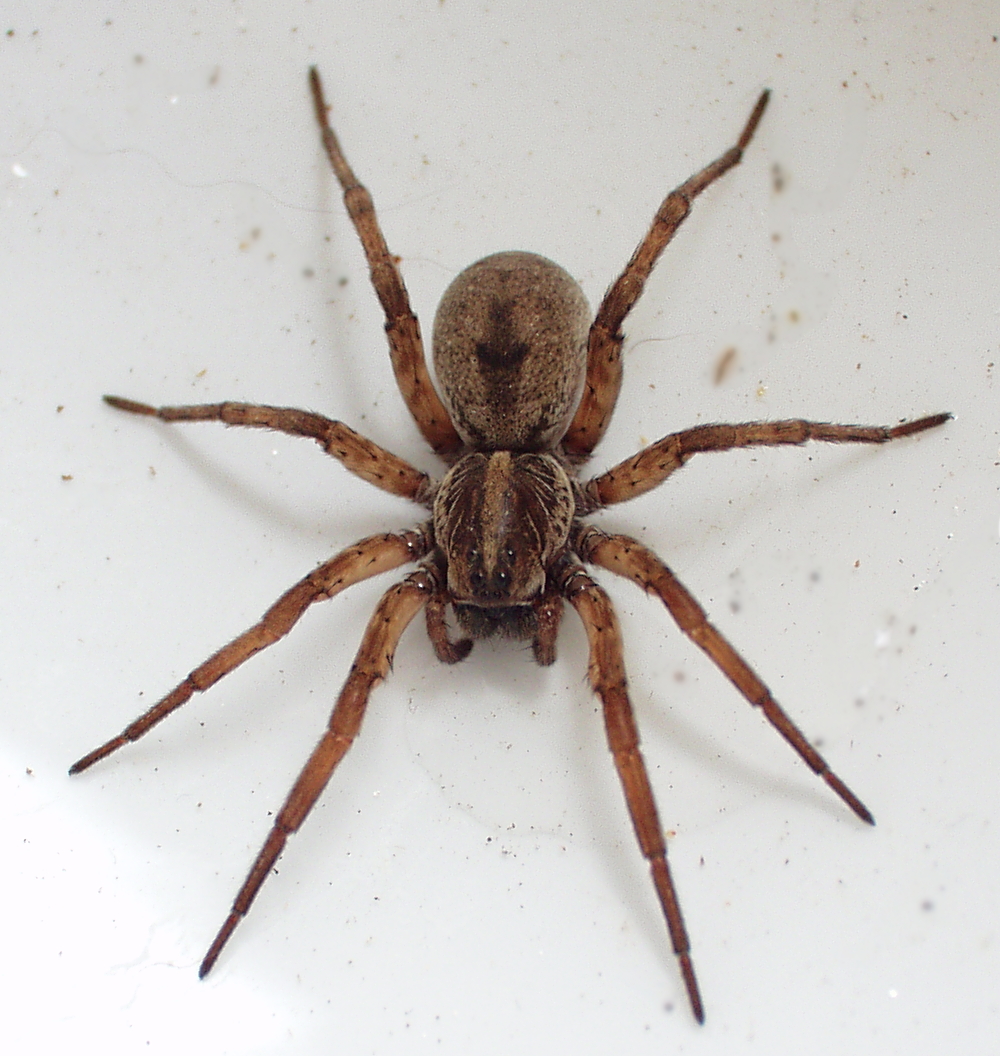
Identification and anatomy
Like other wolf spiders, Hogna species have a characteristic eye arrangement: four small eyes form a row across the front of the face, with two very large eyes set above them and two medium-sized lateral eyes. This configuration provides good low-light vision and a distinct reflective shine when light hits the eyes. The body is compact and muscular, with long, strong legs adapted for running and short-distance leaps. Females are typically broader in the abdomen than males, and many species show subtle dorsal markings or bands on the legs that aid identification to species level.
Behavior and ecology
Hogna spiders are active predators that feed on a variety of invertebrates such as crickets, beetles and other ground insects; larger individuals can capture relatively large prey items. They hunt mainly at ground level, using speed, stealth and bursts of rapid movement rather than webs. Many species dig shallow burrows or occupy natural crevices, while others shelter beneath stones, logs or leaf litter. Like other lycosids, female Hogna commonly carry their egg sac attached to the spinnerets and, after spiderlings hatch, carry the young on their backs for a period of time — a behavior that increases offspring survival.
Distribution, species and notable examples
The genus includes several species found in North America and elsewhere. One of the best-known North American representatives is Hogna carolinensis (often called the Carolina wolf spider), notable for its large body size: adults may reach body lengths approaching a few centimeters. Other named species include H. lenta, H. baltimoriana, H. frondicola, H. coloradensis and H. antelucana. Related wolf spiders in other genera may be similar in size; for example, some island and Mediterranean species reach sizes comparable to or exceeding the largest Hogna species.
Human interactions and cultural notes
Despite their intimidating appearance and rapid movements, Hogna spiders are not aggressive toward people and bites are uncommon; when threatened they usually flee rather than stand ground. Their venom is used to subdue prey but is generally not dangerous to healthy humans, though individual reactions can vary and a bite can cause localized pain or swelling. Historically, wolf spiders have figured in local folklore — the famous association of Lycosa tarantula with the tarantella dance in southern Italy is one well-known example of cultural belief connected to wolf spiders, though that story concerns a different genus and a distinct historical context.
Ecological importance and distinguishing facts
As ground predators, Hogna spiders play an important role in controlling populations of insects and other arthropods, contributing to the balance of soil and litter communities. They are also prey for birds, small mammals and larger arthropods. Distinguishing Hogna from other lycosids often requires attention to size, patterns on the carapace and abdomen, leg spination and genital morphology, so specialists rely on microscopic examination and regional keys for accurate identification.
- Typical diet: ground-dwelling insects and arthropods
- Notable behavior: egg-sack carrying and maternal transport of spiderlings
- Defensive response: flight rather than aggression in most cases
For more on wolf spider biology and regional species lists, consult a local arachnology guide or an authoritative online resource: wolf spiders overview.
Questions and answers
Q: What is the genus of spiders that are large and powerful wolf spiders?
A: The genus of spiders that are large and powerful wolf spiders is Hogna.
Q: What family do Hogna spiders belong to?
A: Hogna spiders belong to the family called Lycosidae.
Q: What do Hogna spiders eat?
A: Hogna spiders readily catch and eat crickets and other large insects.
Q: Will Hogna spiders try to hurt humans?
A: Hogna spiders do not try to hurt humans unless they are getting hurt themselves.
Q: What is the largest spider in the United States?
A: Hogna carolinensis is the largest spider in the United States.
Q: Do Hogna spiders tend to be brightly colored?
A: No, usually their colors are dull, mostly they are brown, dark brown, or black.
Q: What is the smallest species of wolf spiders in the genus Trabeops?
A: The smallest species of wolf spiders in the genus Trabeops are only 4 mm. long.
Related articles
Author
AlegsaOnline.com Hogna: large wolf spiders of the family Lycosidae Leandro Alegsa
URL: https://en.alegsaonline.com/art/44671