
Holocephali: chimaeras, fossil record, anatomy, and ecological role
Holocephali are a subclass of cartilaginous fishes represented today by chimaeras. This article explains their anatomy, long fossil record, origins, ecology, and how they differ from sharks and rays.
Overview
Holocephali is a subclass of cartilaginous fishes that today is represented by a single surviving order, the Chimaeriformes, commonly called chimaeras, ghost sharks, ratfishes, or rabbitfishes. Members of this group are distinct from sharks and rays in several anatomical and ecological ways. Their study combines modern biology and paleontology because many holocephalan lineages are known primarily from fossilized dental and skeletal remains rather than complete bodies.
Image gallery
10 Images




Key characteristics
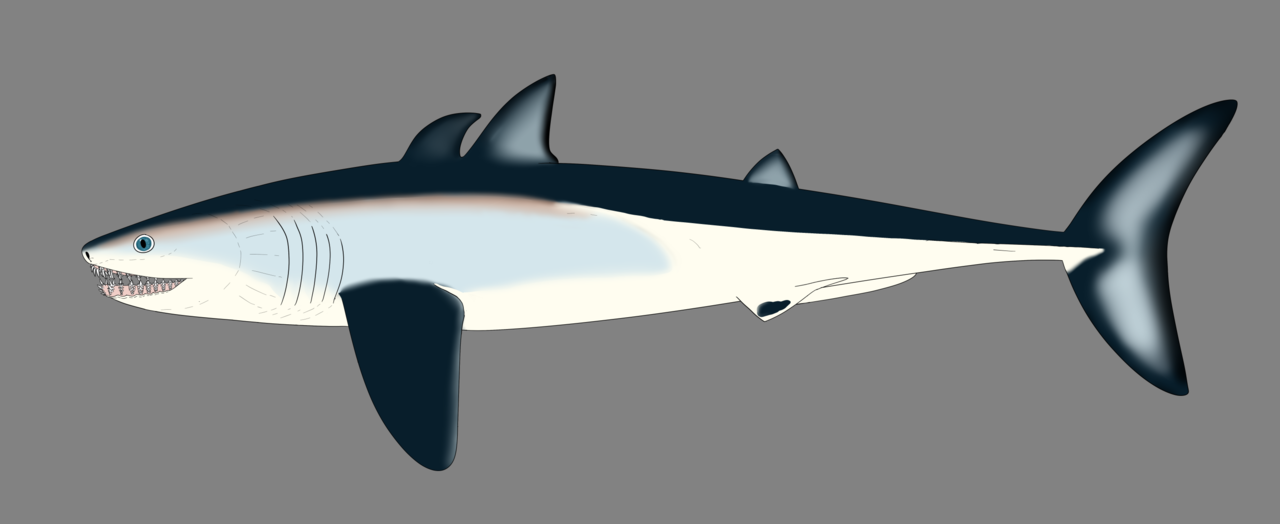
Holocephalans share a suite of traits that separate them from other cartilaginous fishes. Typical features include a skull in which the upper jaw is fused to the braincase, a single external gill opening on each side covered by a soft operculum, and smooth skin lacking the prominent placoid scales found in many sharks. Many species have grinding tooth plates rather than the replaceable teeth seen in sharks, and the body is supported by cartilage rather than bone.
- Jaw and skull: upper jaw fused to cranium
- Gills: single external opening per side with operculum
- Teeth: plate-like dental structures for crushing prey
- Skin and skeleton: smooth skin and cartilaginous skeleton
Fossil record and origins
Holocephali have an extensive fossil history. Fossils attributed to this subclass appear in rocks dating back to the Devonian, but much of the record consists of isolated teeth and dental plates rather than whole skeletons, which makes reconstructing the diversity of extinct forms difficult. Molecular and sequence-based studies of living taxa indicate that the group is ancient; some analyses suggest a divergence that extends into the Silurian, implying a much earlier origin than the earliest clear body fossils. Because of fragmentary preservation, the details of many extinct holocephalan morphologies remain uncertain.
Ecology, life history, and human relevance
Modern chimaeras are primarily deep-water inhabitants found on continental slopes and seamounts. They are generally benthic or demersal, feeding on hard-shelled invertebrates such as mollusks and crustaceans using their crushing tooth plates. Reproduction is typically oviparous, with females producing leathery egg cases. Although they are not major fisheries targets in most regions, chimaeras are sometimes caught as bycatch and have importance for understanding marine biodiversity and the evolutionary history of cartilaginous fishes.
Notable distinctions and research resources
Holocephali differ from the elasmobranchs (sharks and rays) in jaw attachment, gill structure, dentition, and many aspects of internal anatomy, which is why they are treated as a separate subclass within the cartilaginous fishes (cartilaginous fishes). For more on the deep-time context and terminology, see materials about the Devonian and earlier Silurian eras and the nature of geologic periods. Molecular phylogenetics and sequence analysis continue to refine our picture of holocephalan origins (molecular studies) and are often combined with data from living representatives (living chimaeras) to build a more complete evolutionary narrative.
Because much of the early fossil record is fragmentary, ongoing paleontological fieldwork and advances in imaging and genetic methods remain important for clarifying how modern chimaeras relate to their ancient relatives and for understanding the broader evolution of cartilaginous fishes.
Related articles
Author
AlegsaOnline.com Holocephali: chimaeras, fossil record, anatomy, and ecological role Leandro Alegsa
URL: https://en.alegsaonline.com/art/44806
Sources
- dx.doi.org : 10.1038/nature20806