
History of Azerbaijan: From Antiquity to Modern Independence
A concise overview of Azerbaijan's history, covering ancient roots, medieval states, imperial rule, Soviet era, independence, and contemporary cultural and geopolitical issues.
The Azerbaijan region has a long, layered past that stretches from ancient settlements in the Caucasus to the modern independent republic. Its recorded history reflects the movement of peoples, the influence of empires, and the development of a distinct Turkic-speaking culture. Situated at the crossroads of Europe and Asia along the Caspian Sea, Azerbaijan has been shaped by geography as much as by politics.
Image gallery
10 Images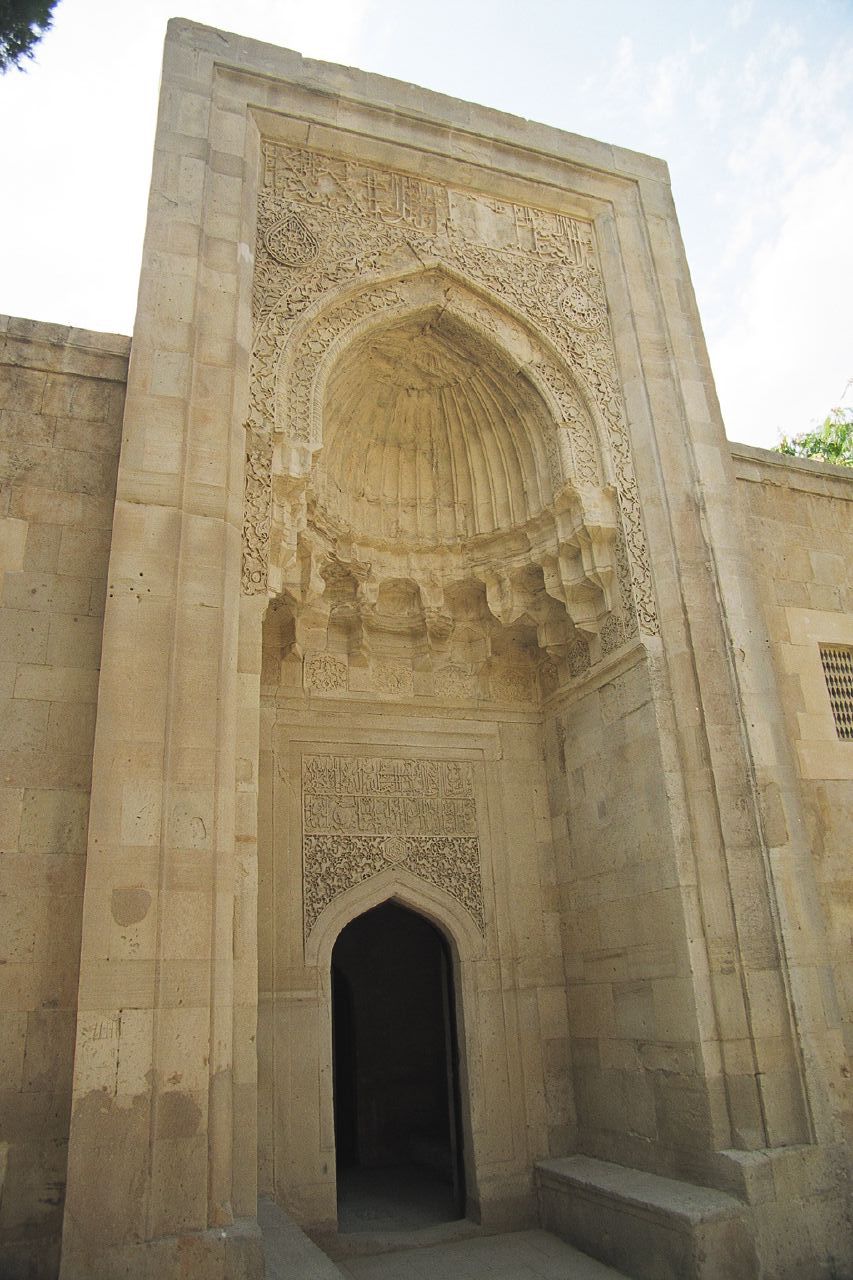


Ancient and medieval eras
Archaeological evidence and early chronicles show human presence in the area for millennia. In antiquity, parts of the territory were known to classical authors and later formed provinces or client territories under Persian and regional polities. During the early medieval period local states and khanates emerged, and the region became a mosaic of ethnic and linguistic groups.
Major dynasties and external rule
- Iranian and local Persianate empires: Various Persian empires exercised control or influence across different eras.
- Islamic caliphates and Turkic migrations: From the 7th century onward, Islam and Turkic languages had a profound cultural impact.
- Medieval principalities: Several native dynasties and city-states, such as the Shirvanshahs, contributed to regional administration and culture.
Early modern period to imperial incorporation
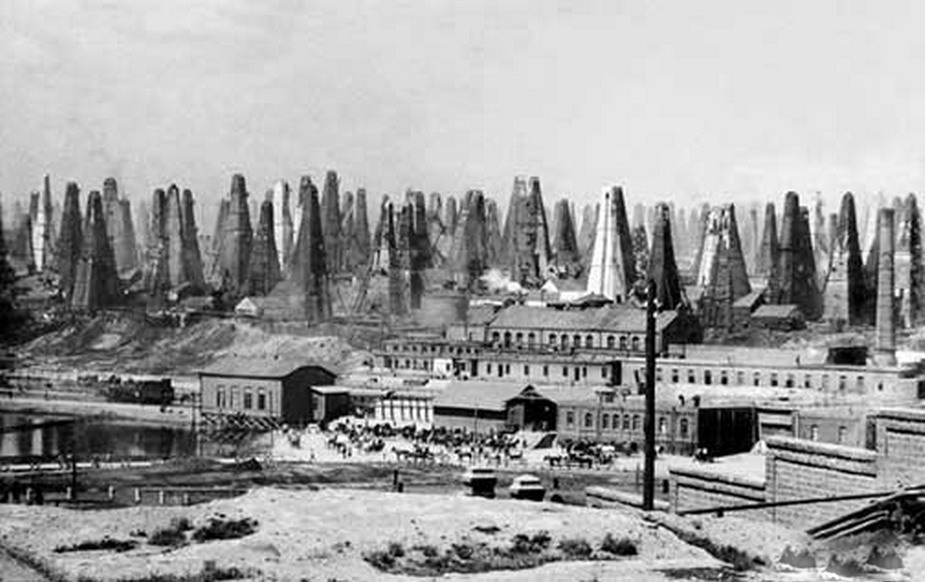
In the early modern era, the territory was contested among regional powers. From the 16th century religious and dynastic rivalries reshaped boundaries, and later the expanding Russian Empire absorbed large parts of the Caucasus in the 19th century. This brought administrative reorganization, new economic links, and growing strategic importance because of the region's resources, especially oil.
20th century: republic, Soviet period, and independence
The collapse of empires in the early 20th century gave rise to short-lived independent statehood, followed by incorporation into the Soviet Union as the Azerbaijan SSR. Under Soviet rule the republic underwent industrialization, urbanization, and cultural shifts. In 1991 Azerbaijan restored independence amid the end of the Soviet Union, faced internal challenges, and became engaged in territorial conflicts with neighboring Armenia over Nagorno-Karabakh, a major factor in its contemporary politics.
Culture, economy, and contemporary significance
Azerbaijan is noted for its Turkic language, shared cultural traditions, and a blend of Eastern and Western influences. Energy resources, especially oil and gas, have driven economic development and international relations. Today the country navigates modernization, regional diplomacy, and efforts to balance cultural heritage with social and economic change.
For further reading on regional developments and timelines, consult specialized histories and primary sources focused on Caucasus studies and modern geopolitics.
Related articles
Author
AlegsaOnline.com History of Azerbaijan: From Antiquity to Modern Independence Leandro Alegsa
URL: https://en.alegsaonline.com/art/44457
Sources
- nbn-resolving.de : The Caucasus