
History of Baseball in the United States
A concise history of how baseball developed in the U.S., from 19th‑century informal games through professionalization, segregation and integration, to its cultural role today.
Overview
Baseball in the United States evolved from various bat‑and‑ball pastimes in the 19th century into the modern national sport. Early informal games played by children and adults gradually adopted common features—pitching toward a batter, bases arranged on a diamond, and rules for outs and scoring—which laid the groundwork for organized clubs and competitions.
Image gallery
10 Images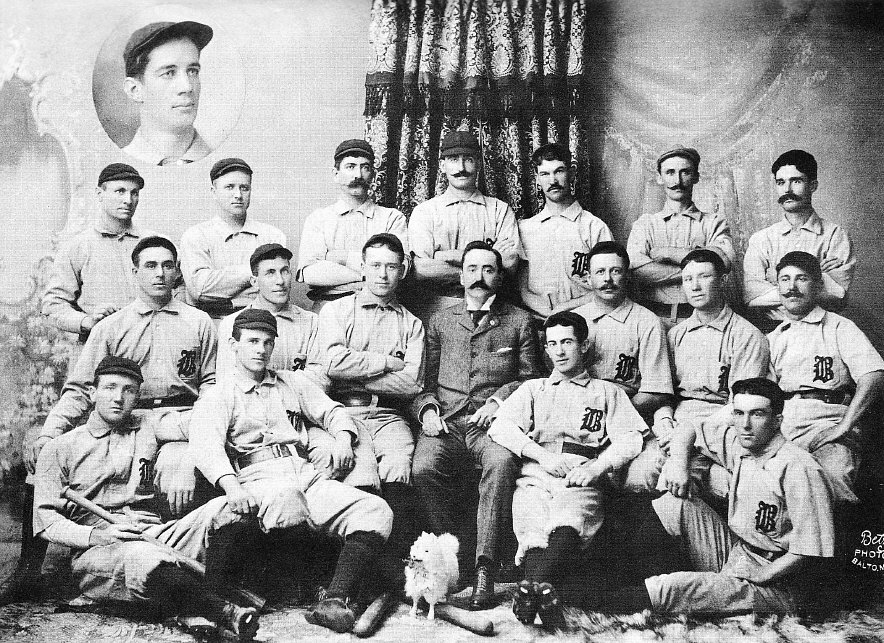


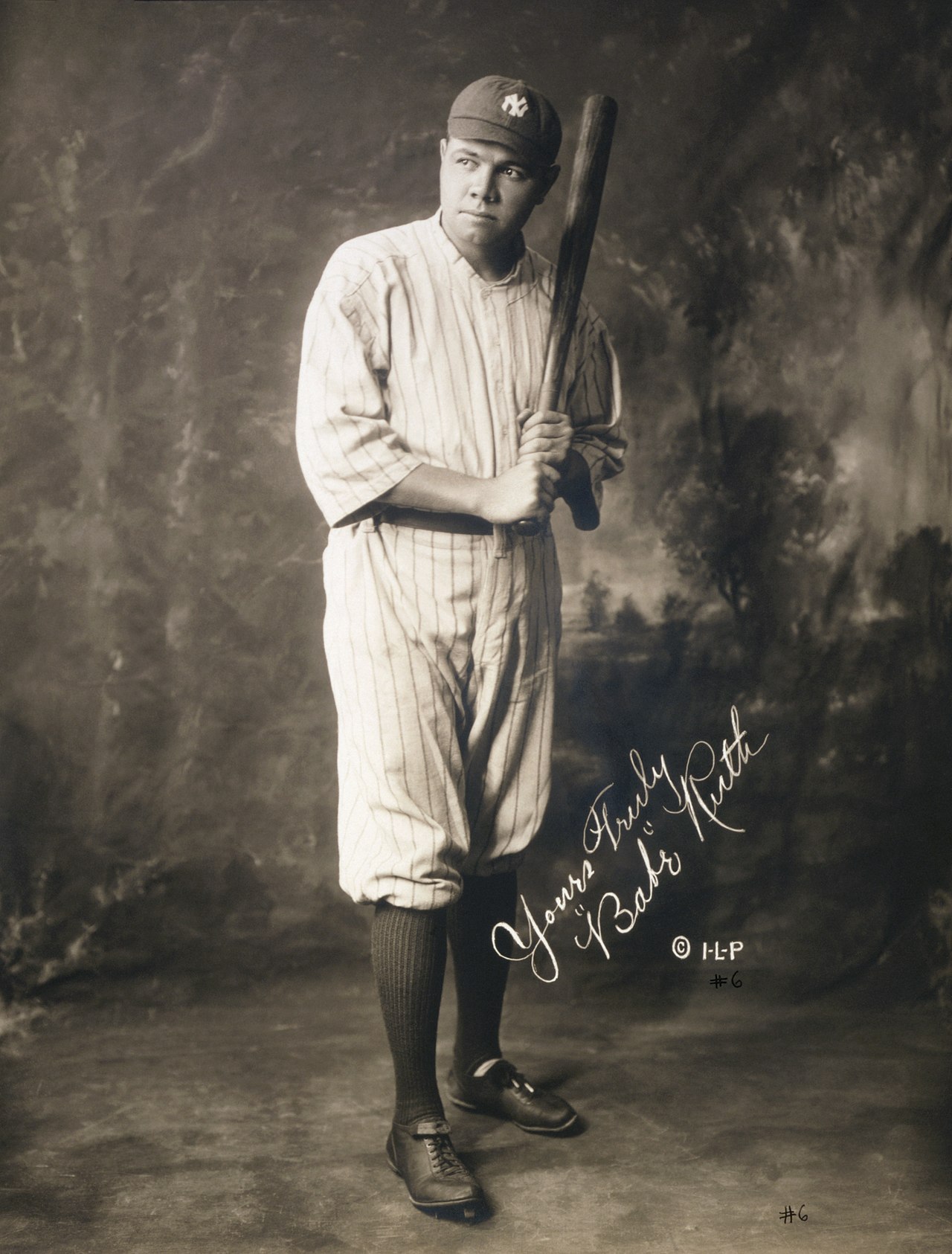


Early origins and informal play
Before formal organizations existed, communities played a range of related games sometimes called "town ball" or compared to English rounders. Amateur players adapted rules to local preferences and improvised equipment, producing many regional variants. Researchers trace these developments back to the early and mid‑1800s, when leisure time and growing urban centers encouraged team play and more regular schedules. Some early rule sets and clubs are documented in the period and influenced later codification; for discussion of these origins see 19th‑century sources and accounts of amateur play.
From clubs to professional leagues
As interest increased, town teams and semi‑professional clubs emerged in the 1850s and 1860s. These clubs standardized many practices—equipment, field layout, and scoring—and began to tour and compete for prestige. The growing popularity of the sport helped lead to the formation of organized professional bodies and teams; by the late 19th century several clubs were operating with paid players and wider public followings. For background on the transition from informal rules to formal competition see club histories and discussions of rule‑making linked at informal rule collections.
Segregation, parallel leagues, and integration
For much of the early 20th century, racial segregation kept Black players out of the major professional circuits, and a separate system of Negro leagues developed, showcasing outstanding talent and drawing significant audiences. Following World War II, baseball began to integrate; the process accelerated the sport's evolution and broadened its national appeal. The interplay of separate leagues and later integration remains a major chapter in the game's social history.
Modern development and cultural role
In the 20th and 21st centuries baseball professionalized further, expanded geographically, adapted to mass media and television, and became an international export with players from many countries. It has shaped American cultural life—vocabulary, civic rituals, and seasonal rhythms—and remains a subject of study in social, economic, and sports history. Contemporary accounts and resources about the game's diffusion and cultural impact are collected at popular history sites.
Notable themes and distinctions
- Rules and equipment: the diamond, nine players, innings, and pitch‑batter duel define the sport's structure.
- Professionalization: the move from amateur clubs to paid teams transformed competition and business models.
- Segregation and integration: separate Black leagues and later integration shaped talent distribution and social meaning.
- Comparison with related games: cricket and rounders share ancestry but differ in play style and institutional history.
Further reading and archival materials can be found through compiled resources and specialized collections: early documents, amateur accounts, club records, rule compilations, and cultural studies.
Questions and answers
Q: When can the history of baseball in the United States be traced back to?
A: The history of baseball in the United States can be traced back to the 19th century.
Q: Who played a baseball-like game by their own informal rules in the 19th century?
A: Amateurs played a baseball-like game by their own informal rules in the 19th century.
Q: What kind of equipment did the amateurs use to play baseball-like game in the 19th century?
A: The amateurs used equipment they made themselves to play baseball-like games in the 19th century.
Q: What inspired semi-pro national baseball clubs in the 1860s?
A: The popularity of the sport inspired semi-pro national baseball clubs in the 1860s.
Q: When did semi-pro national baseball clubs emerge in the United States?
A: Semi-pro national baseball clubs emerged in the United States in the 1860s.
Q: Which sport inspired the semi-pro national baseball clubs in the United States?
A: The sport of baseball inspired the semi-pro national baseball clubs in the United States.
Q: What was the level of popularity of baseball in the 19th century in the United States?
A: The popularity of baseball began growing in the 19th century in the United States, leading to the emergence of semi-pro national baseball clubs.
Tags
Related articles
Author
AlegsaOnline.com History of Baseball in the United States Leandro Alegsa
URL: https://en.alegsaonline.com/art/44458
Sources
- baseball.isport.com : "History of Baseball"
- static.espn.go.com : "Articles show 'base ball' was played in 1823"
- npr.org : "The 'Secret History' Of Baseball's Earliest Days"
- today.tamu.edu : "Baseball Gambling was Common in Early Days"
- history.com : "The Black Sox Baseball Scandal, 95 Years Ago"