
5th century BC (500–401 BC) — Classical Age and Mediterranean Empires
Period from 500 to 401 BC marked by the rise of Classical Greece, the Greco‑Persian conflicts, the early Roman Republic, major developments in China and India, and durable cultural achievements.
Overview
The 5th century BC spans the years 500 through 401 BC. It is widely regarded as a formative era in several regions: Classical Greece reached its cultural and political height; the Achaemenid Persian Empire was at its largest and then repelled Greek resistance; the Roman Republic began consolidating power in Italy; and major intellectual and religious movements in India and China took shape. The century set patterns that influenced later history across Eurasia.
Image gallery
3 Images

Major political developments
Greece in this century was defined by rival city‑states, especially Athens and Sparta. Athens achieved primacy after repelling Persian invasions and led the Delian League. Persia, under rulers such as Darius and Xerxes, projected power across the Near East. In Italy the Roman Republic, founded in the late 6th century BC, expanded regionally. In East Asia the late Spring and Autumn period gave way to the early stages of the Warring States era, while in South Asia the traditions associated with Buddhism and Jainism became influential.
Culture, thought and the arts
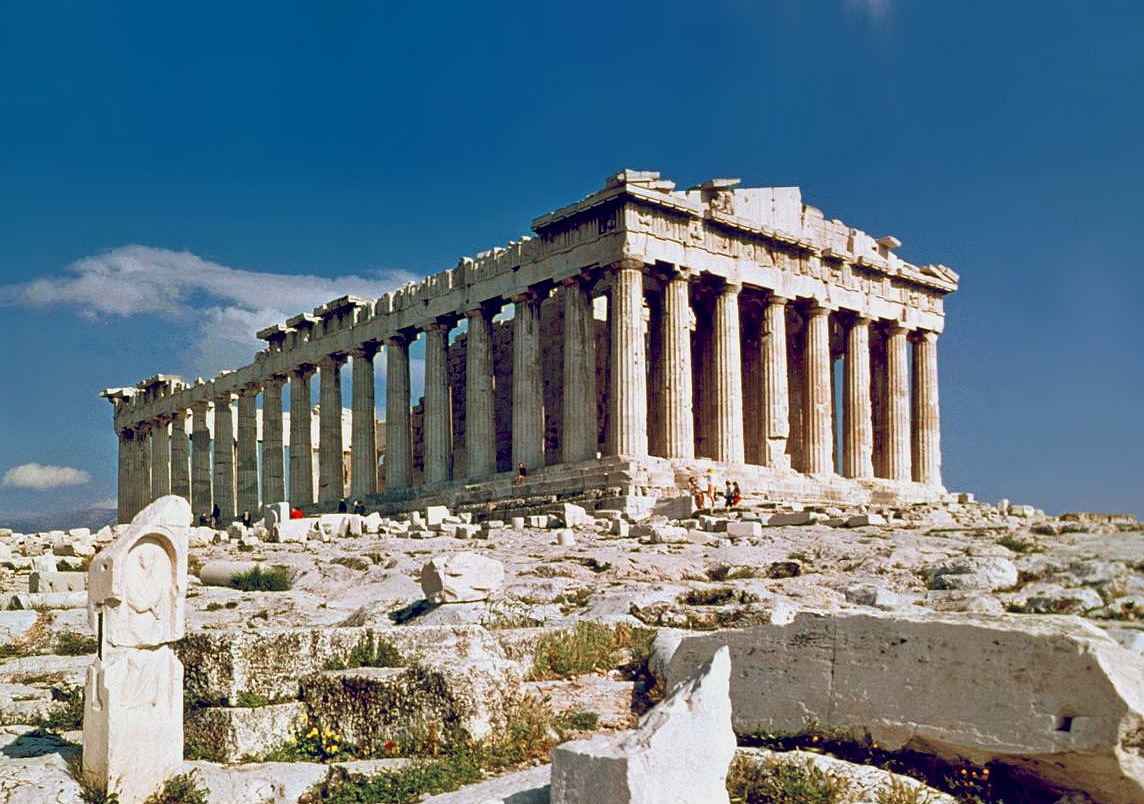
This century produced enduring works and ideas: Athenian drama (Aeschylus, Sophocles, later Euripides), classical architecture (the Parthenon and other Periclean building projects), and the beginnings of systematic history and medicine (Herodotus and Hippocratic traditions). Philosophical and ethical thought advanced with figures and schools whose foundations shaped subsequent traditions in both the West and Asia.
Warfare and diplomacy
The Greco‑Persian conflicts dominate western narratives for this century: notable encounters include the battles of Marathon (early in the century), Thermopylae and Salamis, and the later Greek campaigns that pushed back Persian forces. Inter‑city warfare among Greeks culminated later in the Peloponnesian tensions that would reshape the region.
Notable events (select)
- Early century: Athenian rise and Persian attempts at expansion into Greece.
- Mid century: Major naval and land battles in the Aegean and mainland Greece.
- Throughout: Cultural flowering in Athens; political change in Rome; intellectual activity in China and India.
Legacy and significance
The 5th century BC left a rich legacy: experiments in political organization (Athenian democracy, Roman republicanism), literary and artistic masterpieces, and religious‑philosophical movements that spread widely. Its monuments, texts and ideas became reference points for later civilizations, making it a pivotal century in ancient world history.
Related articles
Author
AlegsaOnline.com 5th century BC (500–401 BC) — Classical Age and Mediterranean Empires Leandro Alegsa
URL: https://en.alegsaonline.com/art/112988