
History of Asia: Regions, Civilizations, Nomads, and Long‑term Change
Survey of Asia’s historical development: regional divisions, early river civilizations, steppe nomads, geographic barriers, major empires, trade networks, and long‑term transformations.
The history of Asia is a large, multi‑layered story of diverse regions, long‑lived civilizations, recurring migrations and profound cultural exchange. Scholars often divide the continent into major areas to make sense of the variety: East Asia, South Asia and the Middle East are three commonly used zones, while the vast central Eurasian steppe links them and has shaped movement across the interior. Along the outer edges, the coastal periphery developed active maritime contacts that complemented inland exchanges. This regional framework helps explain both common patterns and important differences across the continent.
Image gallery
10 Images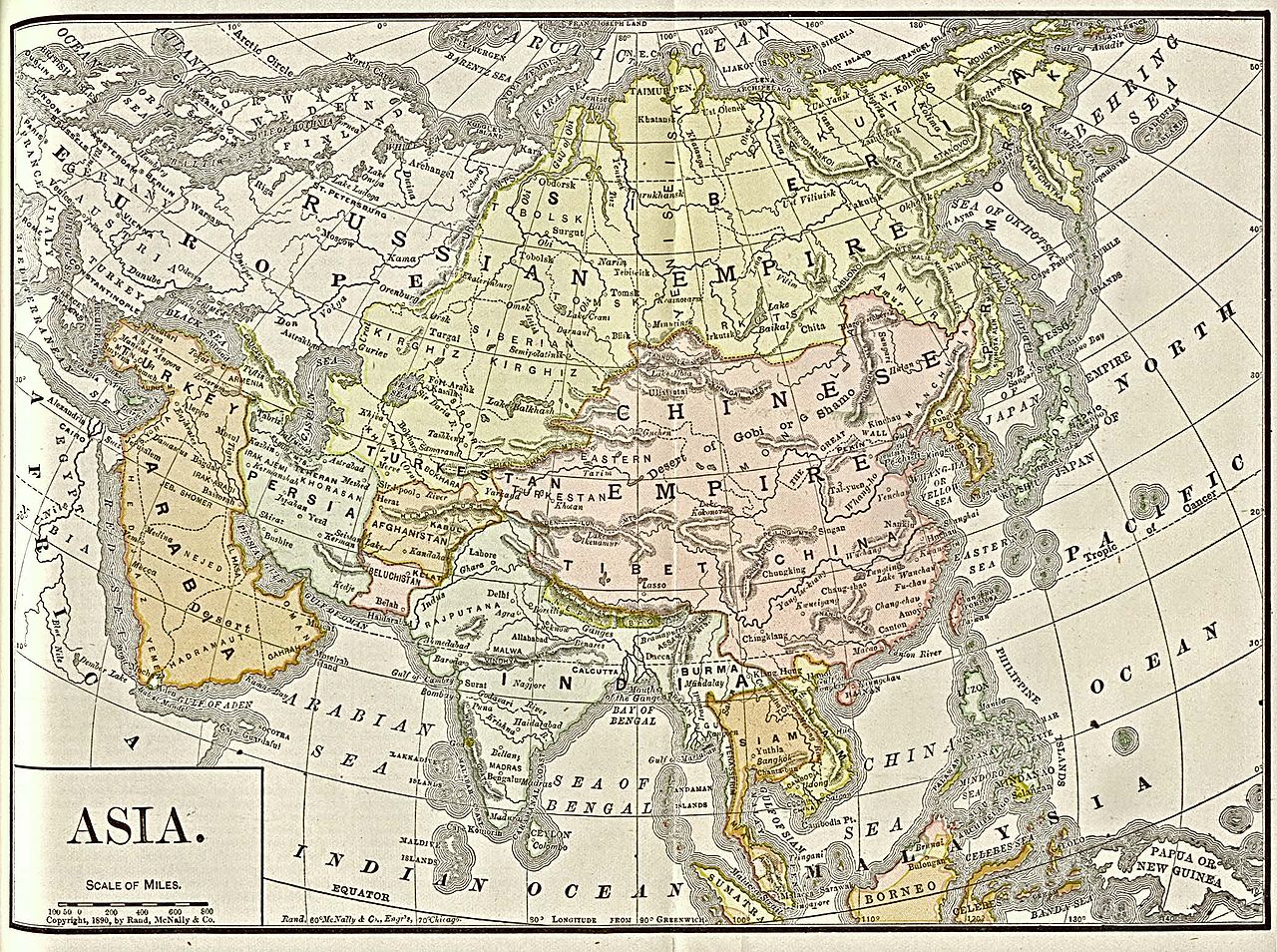




Early civilizations and shared innovations
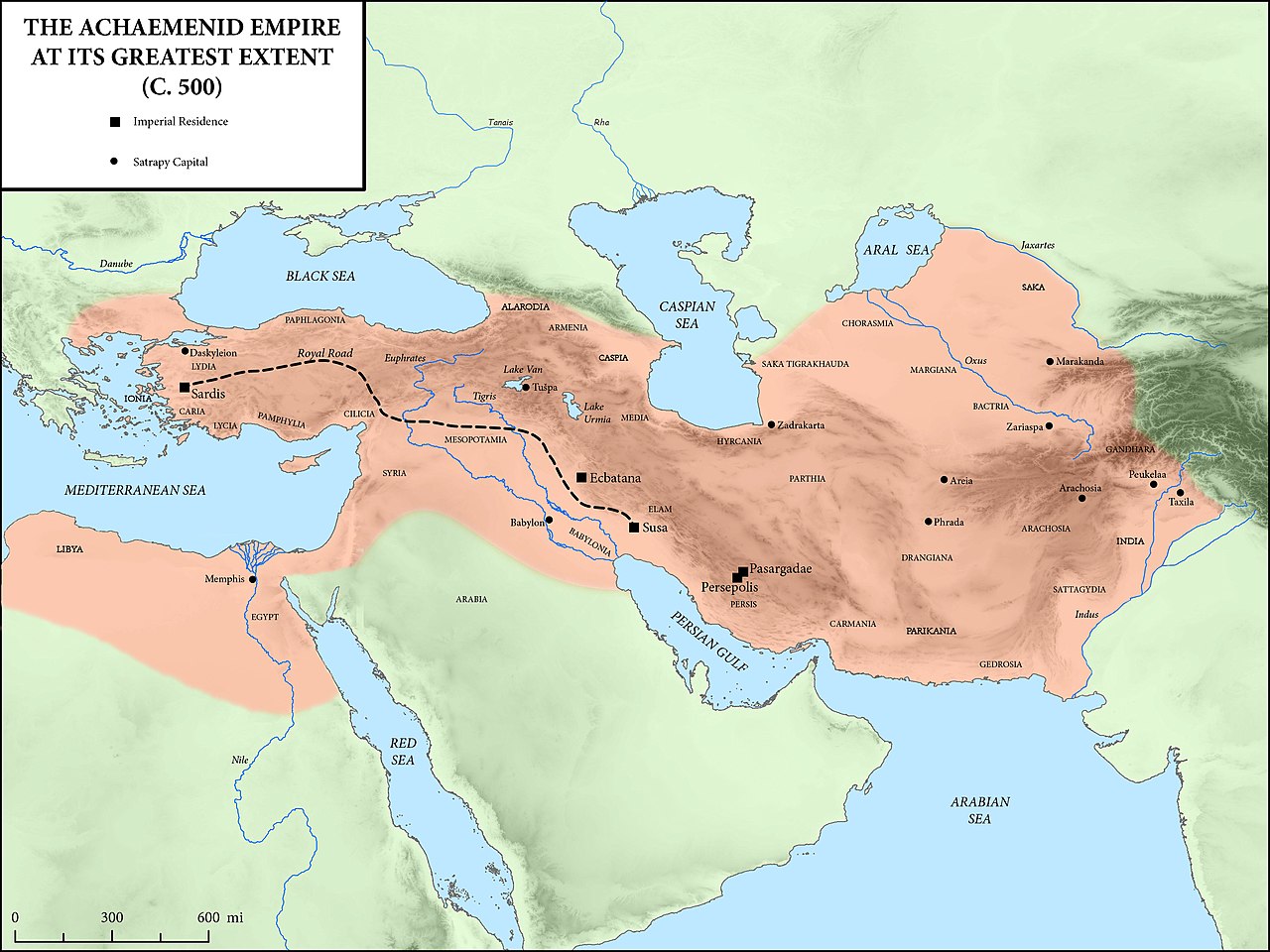
Some of the world’s earliest urban societies emerged in fertile river valleys. In the west, cities grew in and around Mesopotamia; in South Asia, the Indus Valley fostered compact, planned towns; and in East Asia elaborate states formed along rivers in China. These centers produced writing, administrative bureaucracy, monumental architecture and advanced craft production. They also developed or exchanged core technologies and ideas — from systems of counting and proto‑algebra that feed into modern mathematics to mechanical devices and transport innovations like the wheel — while other inventions such as writing systems often emerged independently.
Nomads of the steppe and patterns of movement
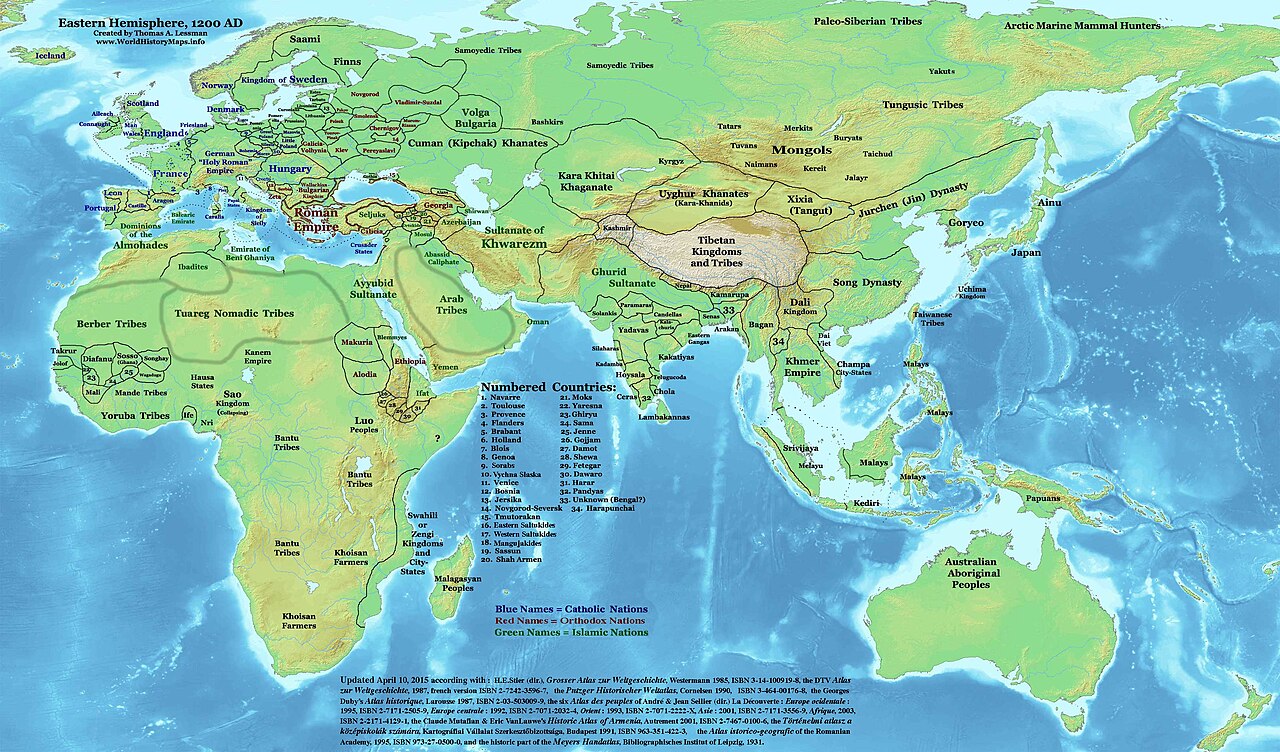
Running through this long lowland story is the influence of mobile horse peoples. The nomads of the steppe could traverse vast distances and periodically penetrated settled regions, changing political realities from Eastern Europe to East Asia. Some of the earliest large‑scale movements from the steppe were Indo‑European expansions that left linguistic traces across the Middle East, the Indian subcontinent and, in the case of the Tocharians, far to the east. The northern forest and tundra limited such mobility in other directions, concentrating interaction along certain corridors.
Geography as barrier and conduit
Mountains, deserts and seas both divided and connected peoples. Ranges and arid tracts — described broadly here as mountains and deserts — shaped the pace and routes of contact. Landmarks such as the Caucasus and the Himalaya acted as formidable barriers that limited direct cultural overlap in many eras. At the same time, passes, river valleys and coastal routes served as conduits for trade, migration and military campaigns, so geography created a mix of isolation and selective exchange.
Empires, trade networks and cultural diffusion
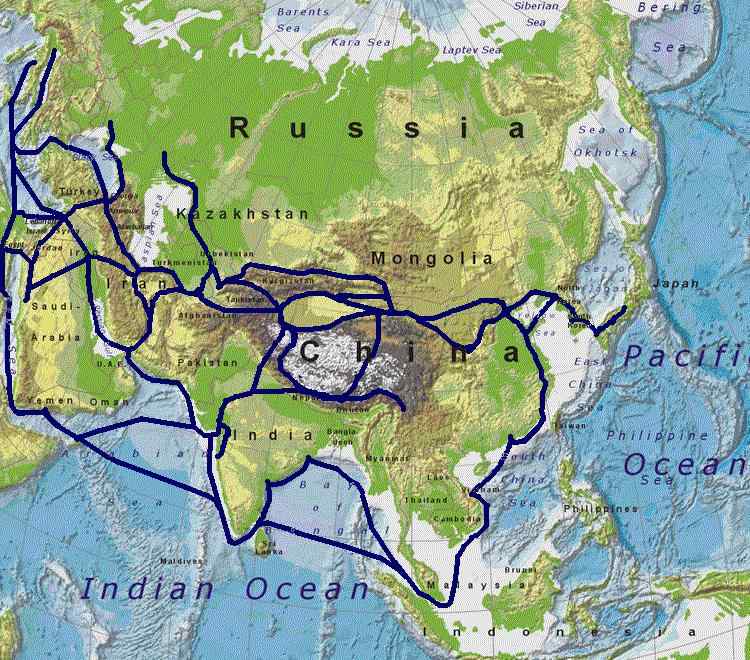
From the classical age through the medieval period and into early modern times, successive empires consolidated large territories, sometimes spanning several of the regions identified above. Imperial administrations, religious movements and merchant networks forwarded technologies, religions, legal concepts and artistic styles across great distances. Overland arteries such as the Silk Roads and maritime routes linked Chinese, Indian, Persian and Arab worlds, enabling the circulation of goods, ideas and people and fostering syncretic cultural forms in cities and ports.
Modern transformations and legacies
The last few centuries brought intensified contact, colonization, industrialization and nation‑building, which dramatically reconfigured Asian societies. European colonial systems, the rise of new states, industrial economies and the spread of global ideologies remade political and social orders. Yet long‑term patterns — regional diversity, the importance of riverine and coastal cores, and interactions between sedentary states and mobile peoples — continue to shape Asia’s contemporary landscapes. Understanding this deep history clarifies why regional identities, economic corridors and cultural blends remain central to Asia today.
Key themes and further reading
- Regional frameworks: East Asia, South Asia, Middle East and the central steppe.
- Origins of urban life: river valleys and early states like Mesopotamia and centers in China.
- Technological exchange: developments in mathematics and transport such as the wheel.
- Mobility and contact: role of nomads, Indo‑European movements into the Indian subcontinent and the example of the Tocharians.
- Environmental limits: northern tundra, and dividing features like the Caucasus and Himalaya.
For introductory surveys and region‑specific studies consult general histories followed by works devoted to particular civilizations, trade routes and nomadic societies. The long historical interplay of geography, technology and human mobility remains central to interpreting Asia’s past and present.
Questions and answers
Q: What are the three distinct regions of Asia?
A: The three distinct regions of Asia are East Asia, South Asia, and the Middle East.
Q: What were some common technologies and ideas exchanged between early civilizations in Mesopotamia, the Indus Valley, and China?
A: Early civilizations in Mesopotamia, the Indus Valley, and China likely exchanged technologies and ideas such as mathematics and the wheel.
Q: How did nomads expand out of the steppe region?
A: Nomads expanded out of the steppe region by spreading their languages into the Middle East, Indian subcontinent, and Tocharians to borders of today's China.
Q: Why was northern part of Asian continent not accessible to steppe nomads?
A: The northern part of Asian continent was not accessible to steppe nomads due to dense forests and tundra.
Q: What geographical barriers kept centre and periphery separate from each other?
A: Geographical barriers that kept centre and periphery separate from each other included Caucasus Mountains, Himalaya Mountains, Karakum Desert, Gobi Desert.
Q: How were city dwellers more advanced than those living in lowlands?
A: City dwellers were more advanced than those living in lowlands because they had access to higher levels of civilization but lacked military strength against mounted hordes from steppes.
Q: How did conquering states in China, India, or Middle East adapt after being conquered by nomads?
A: Conquering states in China India or Middle East adapted by having nomads adopt local societies due to lack of open grasslands for large horsebound forces.
Related articles
Author
AlegsaOnline.com History of Asia: Regions, Civilizations, Nomads, and Long‑term Change Leandro Alegsa
URL: https://en.alegsaonline.com/art/44454