
Dalai Lama: Spiritual Leader of the Gelug School and Symbol of Tibetan Buddhism
Summary of the Dalai Lama: origin and meaning of the title, historical role in Tibet, recognition and succession, palaces and exile, contemporary activities and issues surrounding future succession.
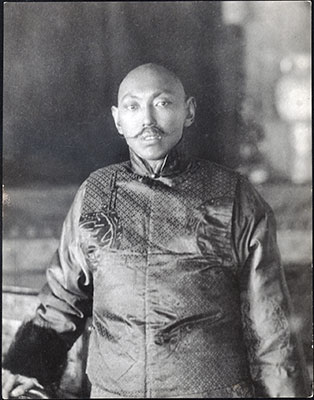
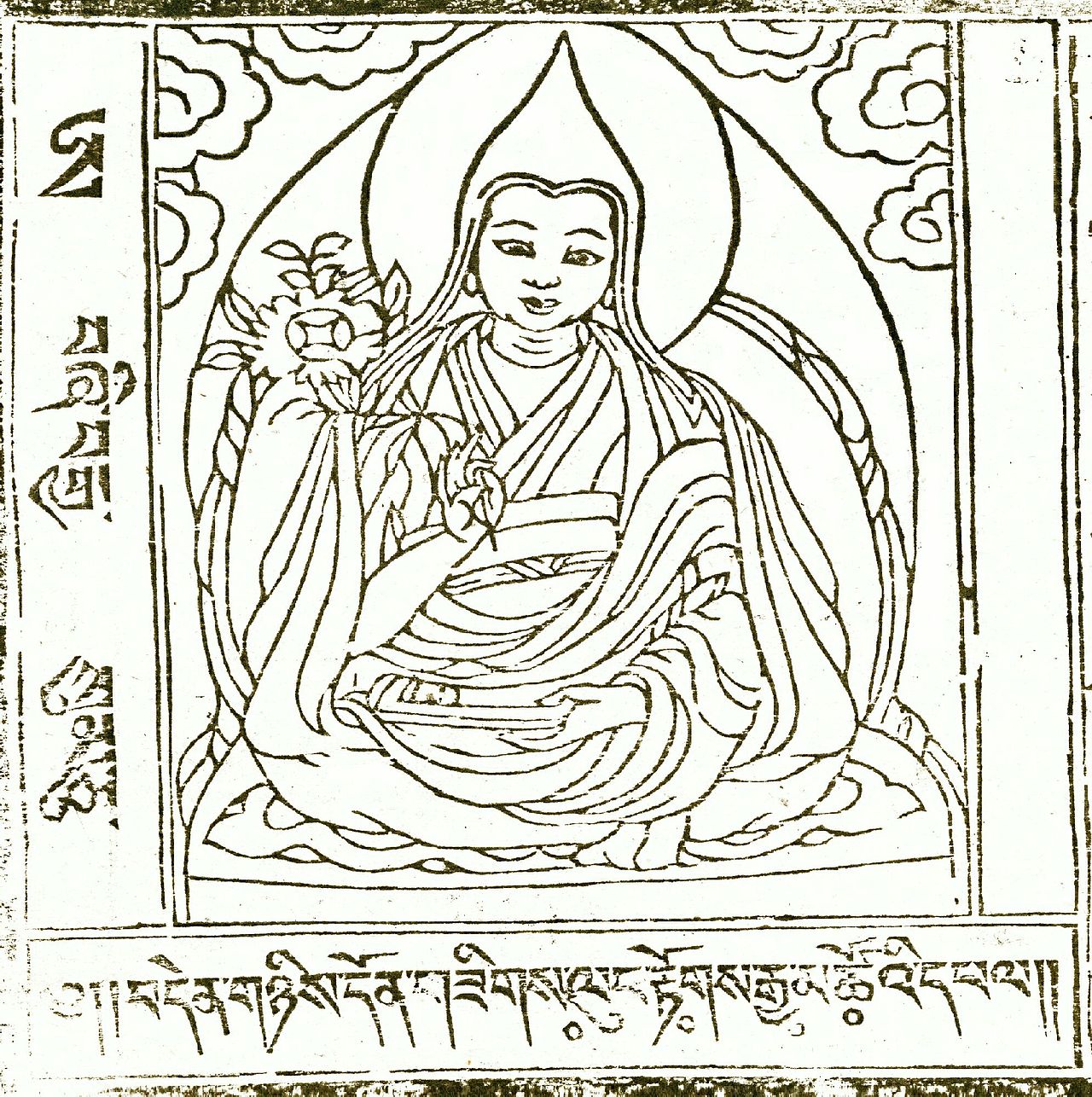
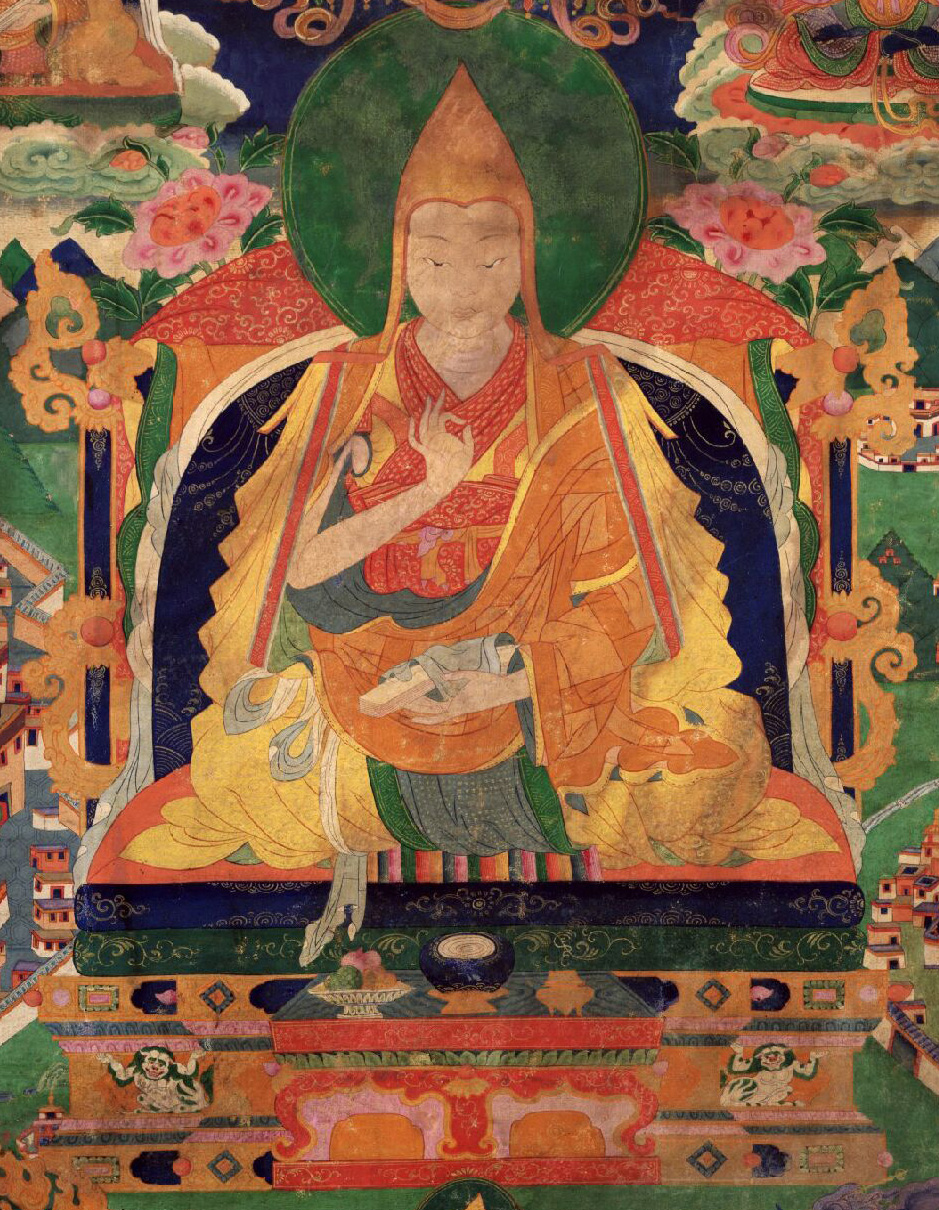
The Dalai Lama is the title historically given to the foremost spiritual leader associated with the Gelug school of Tibetan Buddhism. The office combines religious authority, monastic leadership and, for much of Tibetan history, considerable temporal influence. The word "Dalai" is a Mongolian term often translated as "ocean," while "Lama" is a Tibetan word for a spiritual teacher. The title and its institutional role developed over centuries and are central to Tibetan religious life and identity (Gelugpa school, Tibetan culture and Buddhist traditions).
Image gallery
10 Images




Role and characteristics
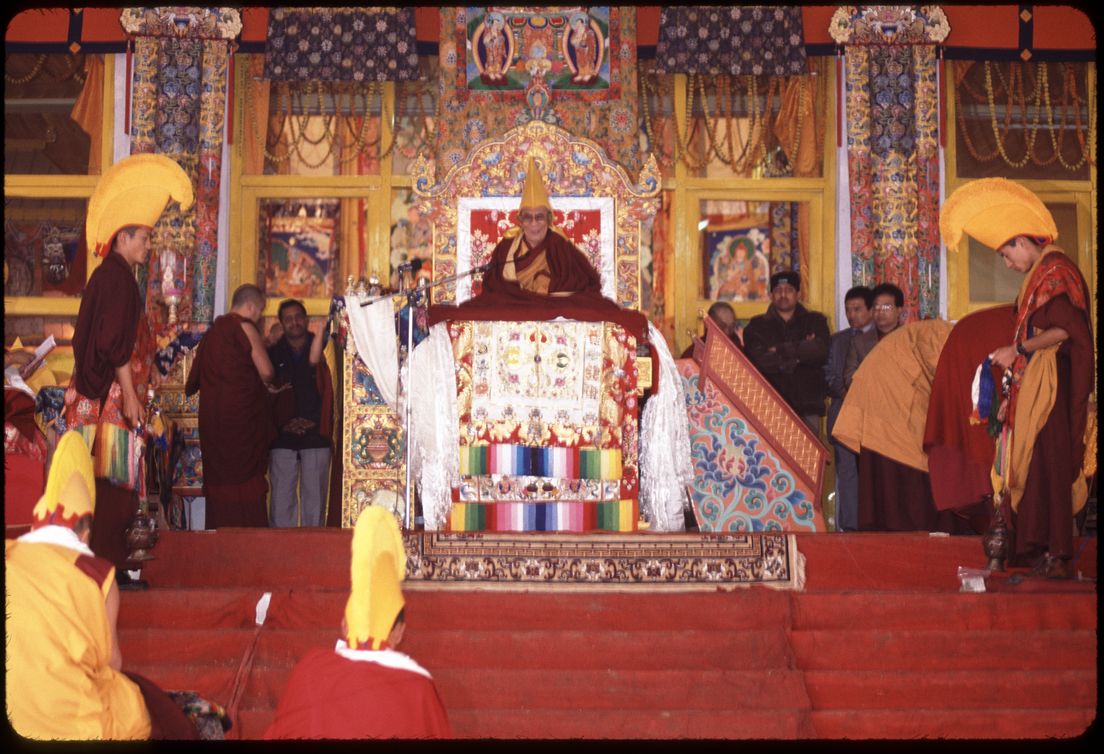
Within the Gelug tradition the Dalai Lama is regarded as a senior lama whose responsibilities include teaching doctrine, guiding monastic institutions and exemplifying ethical and meditative practice. Occupants of the office are traditionally respected for scholarship, ritual knowledge and public teaching. Over time the Dalai Lama became a focal point for ceremonies and a symbol of continuity for practicing communities, while also acting as an international representative for Tibetan Buddhism.
History and institutional development
The lineage of the Dalai Lama is traced through a succession of recognized reincarnations; some historical accounts trace a continuous line to the late 14th century (1391) though the office was most clearly consolidated in the 17th century when the Gelug school rose to predominance. From that period the Dalai Lama increasingly assumed both spiritual leadership and political authority, serving as the head of the Tibetan government in Lhasa until the mid-20th century (17th century, Tibetan government).
Recognition, reincarnation and selection
A defining feature of the institution is the belief that each Dalai Lama is the reborn manifestation of previous holders of the title. After the death of an incumbent, senior lamas and committees conduct searches, follow visions and prophetic clues, consult sacred signs and test candidates—practices that draw on centuries of Tibetan ritual and monastic procedure. The process typically involves consultation among monasteries, interpretation of omens and formal confirmation by leading religious figures. This pattern of recognition is described in studies of religious and reincarnation practices within Tibetan Buddhism.
- Search parties look for children born around the time of the previous lama's death and evaluate them with ritual tests.
- Entronement follows confirmation by senior monastic authorities and often includes public ceremonies and educational arrangements.
Palaces, exile and the modern era
Historically Dalai Lamas resided at important compounds in Lhasa such as the Potala Palace and the summer Norbulingka, which were centers for both religious life and administration (Lhasa). In 1959 the fourteenth Dalai Lama, Tenzin Gyatso, left Tibet and established a base in Dharamsala, India, where a Tibetan government-in-exile and many cultural and educational institutions were formed. From there the Dalai Lama continued to teach internationally, advocate for nonviolence and work for the preservation of Tibetan language and culture.
Contemporary significance and contested succession
In recent decades the Dalai Lama has been a prominent advocate for interreligious dialogue, human rights and nonviolent resolution of political issues; his international profile includes awards and recognition for peace and humanitarian work. At the same time, the question of how a future Dalai Lama will be identified is the subject of disagreement. The Chinese government asserts a role in approval of reincarnations within the Tibetan region, while many Tibetan Buddhist communities and the exile administration maintain traditional monastic procedures. This dispute affects wider cultural and political relations and has led to differing claims over succession and related institutions, including debates involving other recognized lamas.
Cultural and religious legacy
Beyond politics, the Dalai Lama remains an important teacher of Buddhist ethics, compassion practice and Tibetan cultural continuity. His teachings are transmitted through public talks, monastic curricula and publications that address meditation, philosophy and practical ethics. For those seeking further context, readers may consult materials on the Tibetan Buddhist tradition, academic introductions to Buddhism, and specific studies of the Gelugpa lineage and its institutions.
Further reference points include historical overviews of the early lineage (early dates), scholarly work on recognition practices (reincarnation in Tibetan practice), studies of 17th-century developments (17th-century rise of Gelug authority), records of administrative history (Tibetan government) and contemporary descriptions of the exile community in Dharamsala. For biographical material and teachings see collections associated with Tenzin Gyatso and general resources in religious studies.
Questions and answers
Q: Who is the current Dalai Lama?
A: The current Dalai Lama is His Holiness Tenzin Gyatso.
Q: What does "Dalai" mean?
A: "Dalai" is original from Mongolian which means "ocean".
Q: What does "Lama" mean?
A: "Lama" is original from Tibetan which means "the highest principle".
Q: When was the title of Dalai Lama first authorized?
A: In 1653, during the Qing Dynasty, this title was authorized to Dalai Lama V by the Chinese Emperor for the first time.
Q: Where did the Dalai Lamas stay in winter?
A: During the winter, the Dalai Lamas stayed in the Potala palace.
Q: Where did they live in summer?
A: In summer they lived in Norbulingka palace.
Q: Why did he have to flee Tibet in 1959?
A:: In 1959, the Dalai Lama had to flee from Tibet to Dharamsala, India.
Related articles
Author
AlegsaOnline.com Dalai Lama: Spiritual Leader of the Gelug School and Symbol of Tibetan Buddhism Leandro Alegsa
URL: https://en.alegsaonline.com/art/25172
Sources
- dictionary.reference.com : "Define Dalai lama"
- thefreedictionary.com : "definition of Dalai Lama"
- tibet.net : Tibet in Exile
- metrolic.com : Dalai Lama intends to retire as head of Tibetan state in exile
- nytimes.com : "Dalai Lama group says it got money from C.I.A."
- atimes.com : "Tibetans stick to the 'middle way'"
- timesofindia.indiatimes.com : "The burden of being Dalai Lama"