
100 Landscapes of Japan (Heisei period)
A modern compilation of one hundred scenic sites across Japan assembled during the Heisei era (1989–2019), highlighting natural beauty, cultural landscapes, and places of tourist and conservation interest.
Overview
The 100 Landscapes of Japan (Heisei period) is a curated list of one hundred scenic and culturally significant locations across the country assembled during the Heisei era (1989–2019). It presents a contemporary view of places valued for their aesthetic, historical, or ecological importance and is often cited in travel writing, tourism promotion, and regional introductions. For a general introduction to the compilation, see the 100 Landscapes listing.
Image gallery
10 Images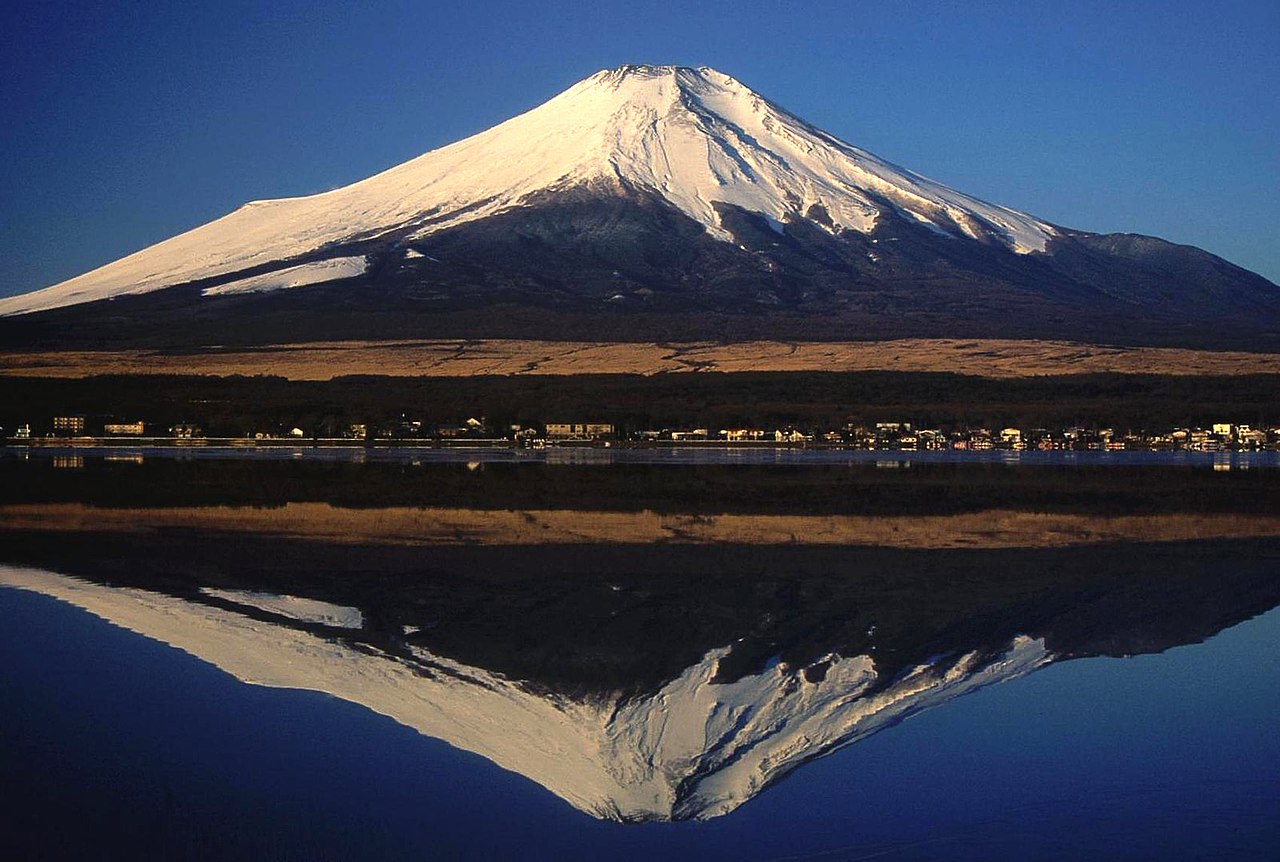




Scope and characteristics
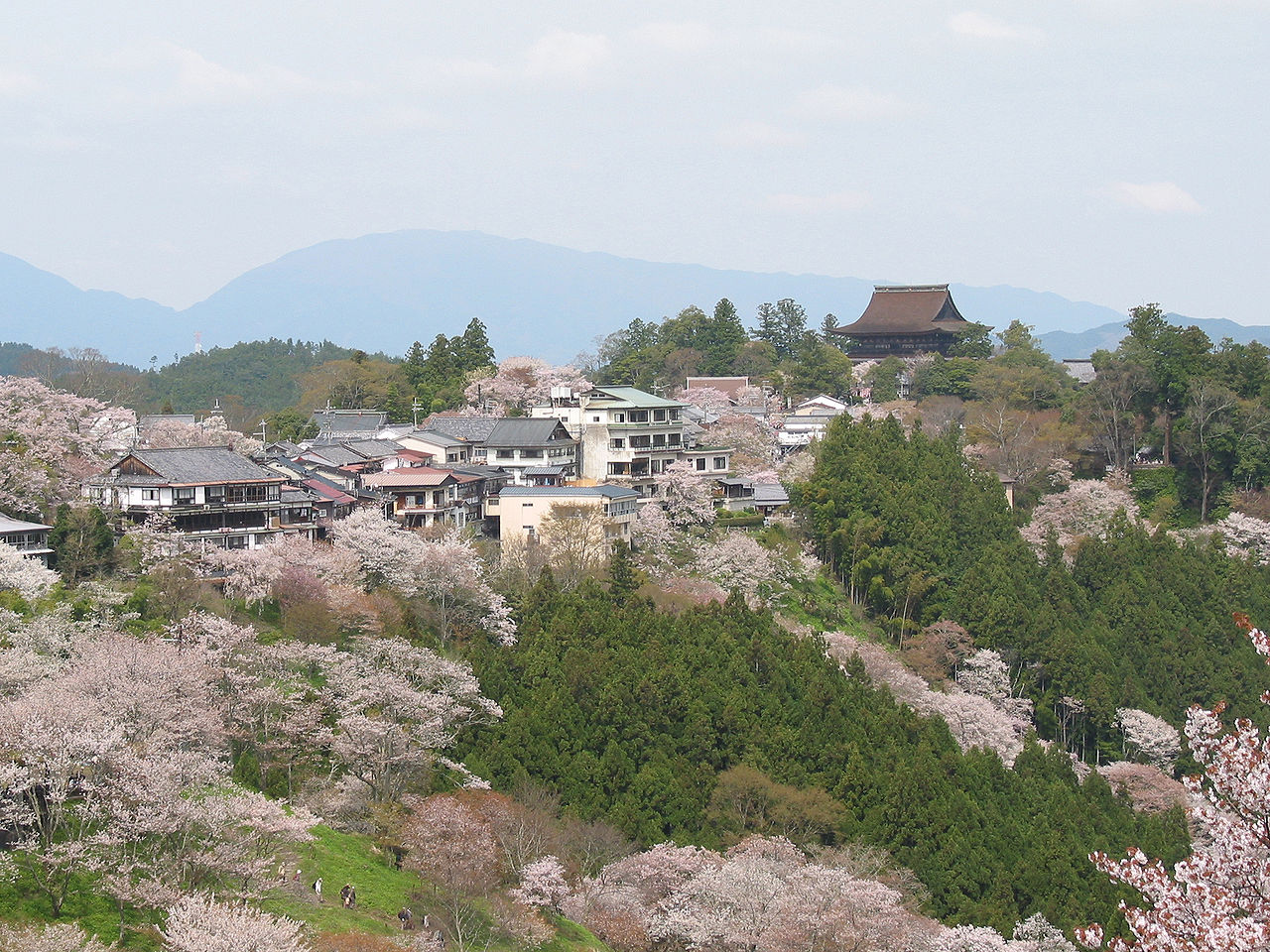
The list spans a wide range of settings: from volcanic peaks and coastal panoramas to river gorges, forests, traditional townscapes, gardens, and island seascapes. Entries tend to be chosen for their visual appeal throughout the seasons, accessibility to visitors, and the degree to which they represent local identity. The compilation is not a legal designation and does not confer protected-status benefits like national park or UNESCO listings.
Notable entries
Among the best-known locations included are iconic landmarks and distinctive landscapes that attract domestic and international visitors. Prominent examples called out in popular references include Mount Fuji, the dramatic Shosenkyo Gorge in Yamanashi Prefecture, and the biologically rich Shiretoko peninsula in Hokkaido. The roster mixes world-famous sites with lesser-known local treasures to reflect geographic diversity.
History and selection
The Heisei compilation is a modern counterpart to earlier efforts to identify celebrated Japanese landscapes. It emerged as part of renewed interest in cultural geography, regional promotion, and nature appreciation during the late 20th and early 21st centuries. Selection methods have varied in different publications and lists — some draw on expert panels, others incorporate public nominations or voting — so specifics may differ between editions and publishers.
Uses and significance
Beyond serving as a travel guide, the list functions as a cultural inventory that helps communities promote tourism, encourage conservation, and preserve local heritage. It can guide visitors seeking varied experiences—mountain hiking, coastal scenery, historic architecture, seasonal foliage—and offers educators a way to discuss landscape value and regional differences within Japan.
Distinctions and related designations
The 100 Landscapes should be understood alongside other recognitions such as national parks, natural monuments, and UNESCO World Heritage inscriptions. Unlike those formal protections, the list is primarily a descriptive and promotional tool; nevertheless, inclusion often raises public awareness and can support local conservation and visitor management initiatives.
Questions and answers
Q: What is the 100 Landscapes of Japan?
A: The 100 Landscapes of Japan is a list of famous scenic sites in Japan.
Q: During which period was this list developed?
A: This list was developed during the reign of the current emperor known as the Heisei period.
Q: Which location is listed as the first among the 100 Landscapes of Japan?
A: Mount Fuji is listed as the first among the 100 Landscapes of Japan.
Q: What is the second famous scenic site on the list of 100 Landscapes of Japan?
A: Shosenkyo gorge in Yamanashi Prefecture is the second famous scenic site on the list of 100 Landscapes of Japan.
Q: Which place is listed third on the list of 100 Landscapes of Japan?
A: Shiretoko in Hokkaido is the place listed third on the list of 100 Landscapes of Japan.
Q: Who developed the list of 100 Landscapes of Japan?
A: The list of 100 Landscapes of Japan was developed during the reign of the current emperor.
Q: In what prefecture is Shosenkyo gorge located?
A: Shosenkyo gorge is located in Yamanashi Prefecture, according to the text.
Related articles
Author
AlegsaOnline.com 100 Landscapes of Japan (Heisei period) Leandro Alegsa
URL: https://en.alegsaonline.com/art/110911
Sources
- yomiuri.co.jp : "100 Landscapes of Heisei announced,"
- env.go.jp : 日本八景(昭和2年)の選定内容 (in Japanese)