
Ruminant: cud‑chewing herbivores with specialized stomachs
Herbivorous ungulates that ferment cellulose in a multi‑chambered stomach and regurgitate cud for rechewing; ecologically and agriculturally important (cattle, deer, goats, etc.).
Ruminant refers to a group of mostly large, plant‑eating mammals that digest tough vegetation by microbial fermentation in a specialized stomach and by regurgitating and rechewing partially digested food called cud. The term derives from the Latin ruminare, "to chew over again." In everyday usage the word also applies to many ungulates that feed on grass and other fibrous plant material.
Image gallery
10 Images


Key characteristics
True ruminants typically have a four‑compartment stomach composed of the rumen, reticulum, omasum and abomasum. The largest chamber, the rumen, hosts dense communities of bacteria, protozoa and fungi that break down cellulose and hemicellulose into volatile fatty acids the animal can absorb. Regurgitation and rechewing (rumination) reduce particle size and improve microbial access. Eructation expels fermentation gases.
Examples and diversity
- Cattle — a major domestic ruminant used worldwide for meat and milk.
- Goats and sheep — common small ruminants kept for milk, fiber and meat.
- Bison, water buffalo, and yaks — large grazing bovids in wild and domestic contexts.
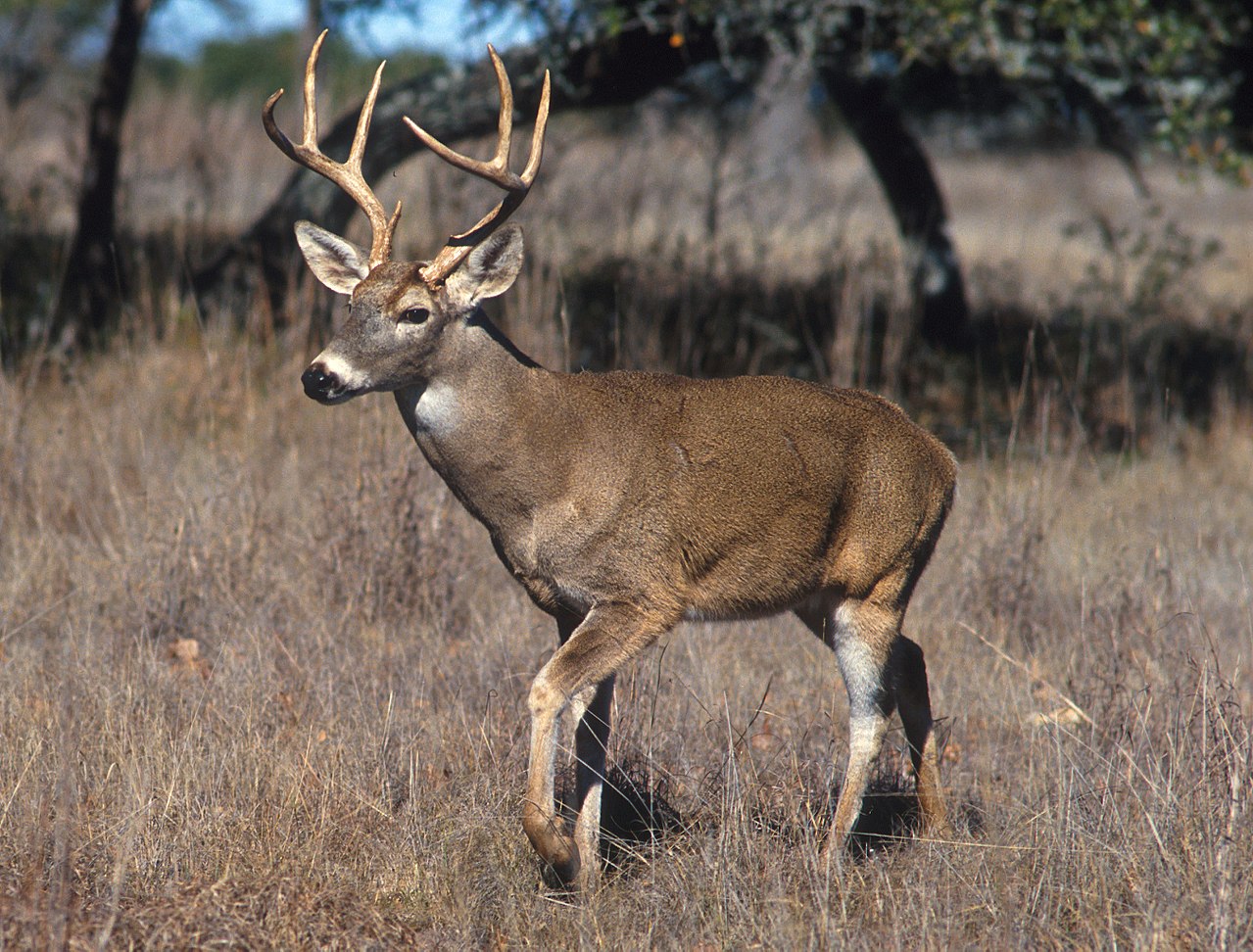
- Deer, giraffes and many antelope species — wild ruminants with varied diets and habitats.
- Wildebeest, pronghorn and nilgai — illustrative of migratory or regionally important ruminants.
- South American camelids such as alpacas and llamas are often mentioned with ruminants but differ anatomically.
Origins, evolution and classification
Ruminants are part of the larger order of even‑toed ungulates, the Artiodactyla, and belong mostly to the suborder Ruminantia. Their digestive strategy evolved to exploit abundant but low‑quality forage by relying on symbiotic microbes to extract energy from cellulose. This adaptation has allowed ruminants to occupy grasslands, savannas and many other ecosystems.
Uses, ecology and notable facts
Ruminants are central to many human economies for milk, meat, fiber and hides, and they shape plant communities by grazing. Their microbial fermentation produces methane, making ruminants a focus of climate mitigation research. A useful distinction: camelids (camels, llamas, alpacas) are sometimes called pseudoruminants because they ferment plant material in a three‑chambered stomach rather than the four chambers of true ruminants, and their anatomy and evolutionary history differ.
Understanding ruminants means considering anatomy, microbial ecology and human interactions: from wild herds that maintain grassland dynamics to domesticated herds that supply food and fiber. For further species lists and technical details, consult specialized sources on ungulate biology and animal husbandry.
Questions and answers
Q: What is a ruminant?
A: A ruminant is an ungulate that eats and digests plant-based food such as grass.
Q: What kind of mammals are ruminants?
A: Ruminating mammals include cattle, goats, sheep, giraffes, bison, yaks, water buffalo, deer, camels, alpacas, llamas, wildebeest, antelope, pronghorn, and nilgai.
Q: What is the meaning of the word "ruminant"?
A: The word "ruminant" comes from the Latin word ruminare which means "to chew over again".
Q: Are ruminants herbivores or carnivores?
A: Ruminants are herbivores as they eat and digest plant-based food such as grass.
Q: Is there any similarity between ruminants?
A: All of them are Artiodactyla, cloven-hoofed animals.
Q: What is the importance of ruminating to the digestion process of ruminants?
A: Ruminating is important in the digestion process of ruminants, as they have a four-compartment stomach that allows them to regurgitate and re-chew their food to aid in the digestion process.
Q: Can you give some examples of ruminant animals?
A: Yes, some examples of ruminant animals are cows, goats, sheep, giraffes, bison, yaks, water buffalo, and camels.
Tags
Related articles
Author
AlegsaOnline.com Ruminant: cud‑chewing herbivores with specialized stomachs Leandro Alegsa
URL: https://en.alegsaonline.com/art/84713
Sources
- journalofdairyscience.org : "Ruminant ecology and evolution: Perspectives useful to livestock research and production"