
Hexachlorobenzene (HCB)
Hexachlorobenzene, an organochlorine compound once used as a fungicide, is persistent in the environment, bioaccumulative, toxic to humans and wildlife, and is now widely banned under the Stockholm Convention.
Overview
Hexachlorobenzene (HCB) is an organochlorine compound with the chemical formula C6Cl6. Its six chlorine atoms replace the hydrogen atoms found in benzene, giving the molecule a symmetric, fully chlorinated ring structure. Physically, HCB is a pale, crystalline solid that is sparingly soluble in water but dissolves in many organic solvents. It is chemically stable and resistant to degradation under many environmental conditions.
Image gallery
1 Image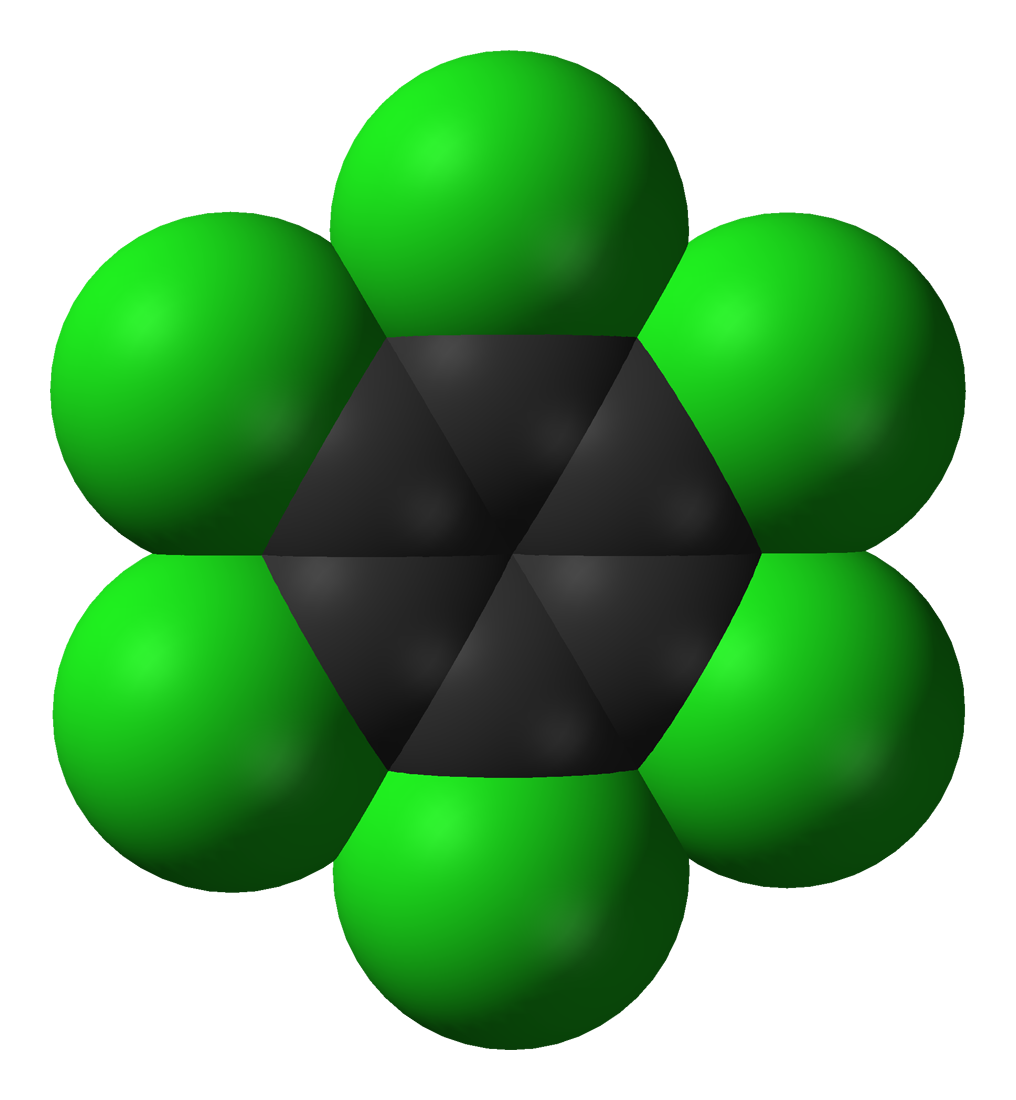
Properties and production
HCB is produced commercially by chlorination of benzene in the presence of catalysts such as acidic catalysts or by chemical routes that dehydrochlorinate hexachlorocyclohexane. Historic production routes and some industrial processes also create HCB as an unintended by‑product. The molecule’s full complement of chlorine atoms makes it persistent and lipophilic, so it tends to accumulate in fats and biomagnify through food chains.
Uses and historical context
From the mid-20th century, hexachlorobenzene was widely used as a seed treatment fungicide for cereal grains and as an intermediate in certain industrial processes. Its effectiveness against fungal diseases made it common in agriculture for several decades. However, reports of poisoning events and long-term health effects linked to contaminated food and seed stocks prompted regulatory review and eventual phase-outs in many countries.
Health and environmental effects
HCB is persistent in soil and sediments and can enter animals and humans primarily through dietary exposure. Toxicity studies and epidemiological observations have associated exposure with liver damage, skin lesions resembling porphyria, and effects on the immune and nervous systems. It is also chemically stable enough to travel long distances in the environment, contributing to its detection in remote regions and wildlife.
Regulation, remediation and alternatives
Because of its persistence, bioaccumulation potential and adverse effects, hexachlorobenzene is listed among persistent organic pollutants. International agreements and national rules now restrict its manufacture, use and release; for example, it is covered by the Stockholm Convention. Remediation of contaminated sites uses approaches such as excavating or containing soils, thermal treatment, and careful disposal. In agriculture, modern integrated pest management and safer fungicides have replaced HCB for seed treatment and crop protection.
Notable facts and distinctions
- HCB is a fully chlorinated derivative of benzene, sometimes illustrated by its molecular structure.
- It can form unintentionally during chlorination processes and from breakdown of other chlorinated chemicals like hexachlorocyclohexane precursors.
- Exposure pathways are mainly dietary; prevention focuses on limiting releases and preventing contaminated food from entering markets.
For technical specifications, safety data and regulatory guidance, consult authoritative sources on persistent organic pollutants and chemical safety: see discussions of its environmental fate, production methods involving reagents such as chlorine and catalysts like iron(III) chloride, as well as historical use as a fungicide. Further background and public health reviews are available through international chemical safety summaries and government agencies concerned with pollution control and food safety (detailed reviews, technical reports). Additional context about contamination incidents and regulatory timelines can be found in dedicated environmental and toxicology literature (case studies).
Related articles
Author
AlegsaOnline.com Hexachlorobenzene (HCB) Leandro Alegsa
URL: https://en.alegsaonline.com/art/43987