
Herbal (book): history, contents, uses and legacy
A herbal is a book describing plants, their identification and practical uses. This overview covers typical contents, historical development from antiquity to the early modern period, practical roles, and notable examples.
A herbal is a written compendium that describes plants with the primary aim of identification and practical use. Traditional herbals record visible characters, habitats, common names, preparations and claimed properties, and frequently include illustrations to help readers recognise species in the field. They were used by physicians, apothecaries, gardeners and farmers and served as repositories of practical botanical and medical knowledge.
Image gallery
10 Images



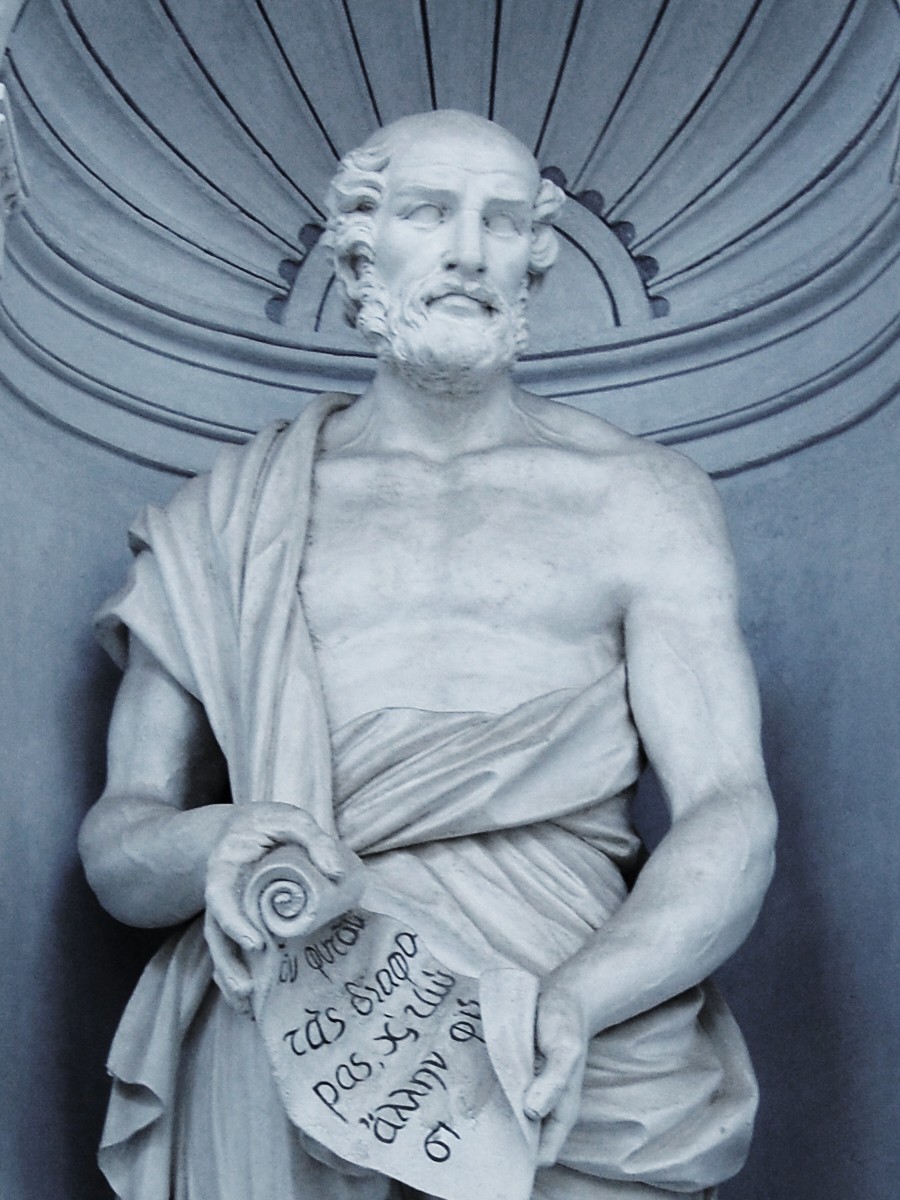



Contents and format
Typical elements found in historical herbals include:
- Identification: descriptions of habit, leaves, flowers and habitat to aid recognition, often presented as concise plant descriptions.
- Uses and preparations: notes on therapeutic uses, recipes, doses and preparations for remedies and poultices associated with medicine.
- Synonyms: lists of local and classical names to bridge languages and trading networks.
- Illustrations: woodcuts or engravings intended to show diagnostic traits; the accuracy of images varied, especially when plates were copied across editions.
- Ordering schemes: arrangement by use, form, or region rather than modern taxonomic principles.
Historical development
Herbals descend from ancient materia medica and pharmacopoeias. One of the most influential texts was De Materia Medica by Pedanius Dioscorides, known from important copies such as the Vienna Dioscurides, an illuminated manuscript preserved from late antiquity. Through the Middle Ages herbals circulated in manuscript form and were frequently translated; many later printed herbals drew on classic and medieval sources.
The Renaissance and the rise of printing expanded access to illustrated herbals and encouraged empirical observation. Authors such as Leonhart Fuchs, Otto Brunfels and Hieronymus Bock in the 16th century emphasized direct study of living plants and sharper visual description—Bock in particular is noted for stressing visible, morphological distinctions. These developments helped shift interest from purely medicinal uses toward systematic study and laid groundwork for later botanical classification, including work that culminated in the taxonomic systems of the 18th century.
Uses, reliability and influence
Herbals served several roles: practical manuals for preparing remedies; reference works for apothecaries, physicians and herbalists; and sources of information for gardeners and agriculturalists. They also transmitted knowledge across cultures and languages, and sometimes incorporated material used in alchemical and chemical experimentation (alchemy). Because authors mixed observation, hearsay and tradition, not all statements about efficacy are reliable by modern standards; nevertheless herbals preserved a wide range of ethnobotanical information that has informed later pharmacology and ethnobotany.
Notable examples and legacy
Famous examples include classical texts associated with Dioscorides and many early printed Renaissance herbals that combined text and images. Over time the practical herbal evolved into more specialised botanical works concerned with anatomy, classification and ecology as the discipline of botany matured. Attention to externally visible, or morphological features, in early herbals anticipated later approaches to plant description. Today herbals are studied both for their historical medical knowledge and as cultural documents that illuminate trade, printing, garden history and the exchange of plants and ideas between regions.
Related articles
Author
AlegsaOnline.com Herbal (book): history, contents, uses and legacy Leandro Alegsa
URL: https://en.alegsaonline.com/art/43687