
Herbicide: types, mechanisms, history, uses and environmental effects
A herbicide is a chemical used to control or eliminate unwanted plants. This article explains types, how they work, historical development, common uses, and environmental and safety considerations.
Overview
A herbicide is a substance designed to kill, inhibit, or otherwise control the growth of plants. Often described broadly as a plant poison, herbicides are applied in agriculture, horticulture, forestry, and urban settings to manage weeds and unwanted vegetation. Commercial and household products vary in concentration, specificity, and formulation. For a basic definition see poison and for the target organisms see plants.
Image gallery
9 Images



Types and classifications
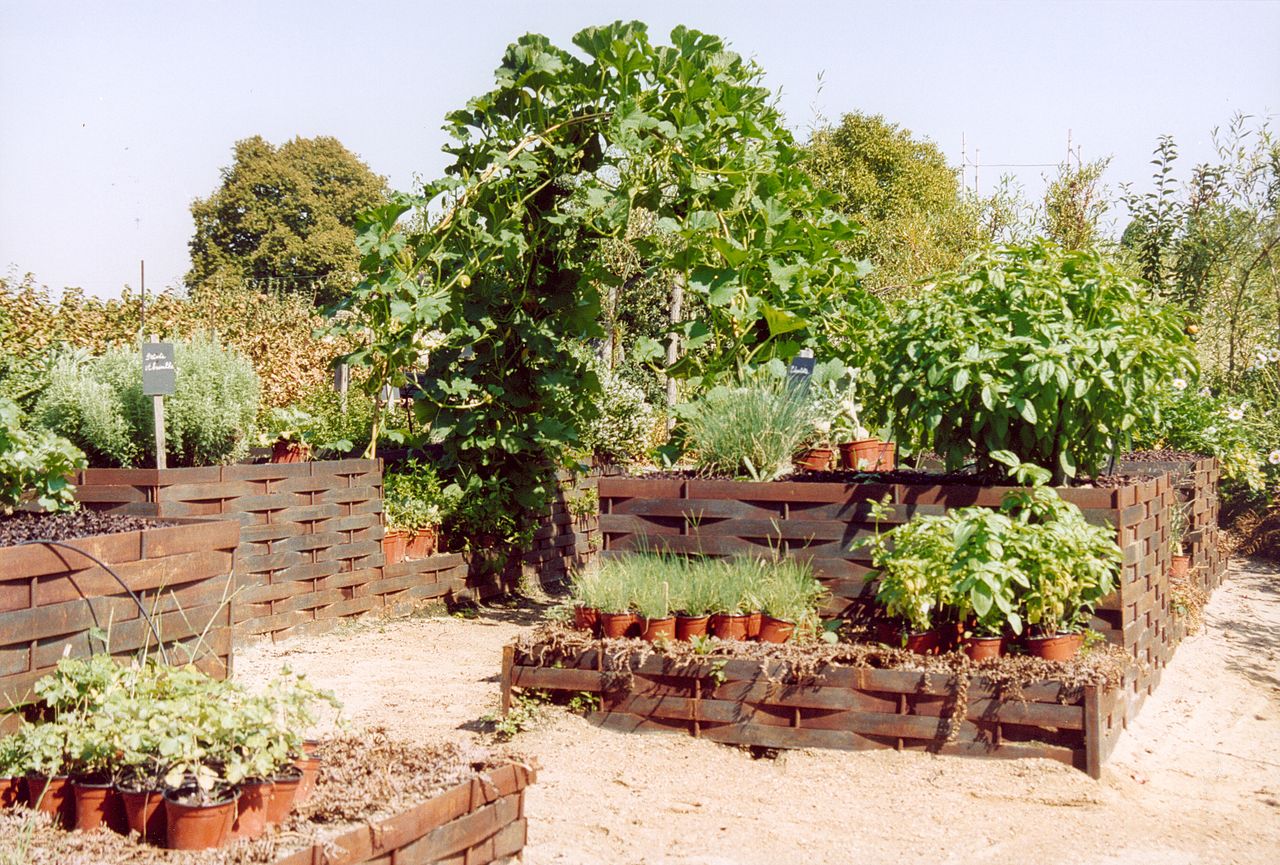
Herbicides are commonly classified by their spectrum of activity, timing, and mode of contact. Garden and lawn products are formulated for small-scale use, while agricultural herbicides are developed for crop compatibility and broad-field application. An example of a defoliant used in warfare is Agent Orange, a historically significant but controversial herbicide; it was deployed during the Vietnam War. Household weedkillers are widely available for home gardens and are often labeled as garden weedkillers.
How herbicides work
Modes of action include contact killing (damaging plant tissue on contact), systemic action (transported inside the plant to disrupt physiological processes), and growth regulation (interfering with hormones). Selection depends on the target species, persistence desired, and whether roots or seeds must be affected. Some compounds act on photosynthesis, amino acid synthesis, or cell division.
Uses and examples
- Agriculture: increase crop yields by reducing competition from weeds.
- Horticulture and landscaping: maintain lawns, flowerbeds, and paved areas.
- Forestry and rights-of-way: clear vegetation for access and safety.
- Historic military use: defoliation and crop destruction in conflict zones.
Environmental, health and regulatory issues
Herbicides differ in persistence, toxicity to non-target species, and potential to contaminate soil and water. Regulatory frameworks require testing and labeling; best practices include targeted application, following rates on labels, and integrated weed management that combines mechanical, biological, and chemical methods. Concerns about residues, resistance in weed populations, and effects on pollinators and biodiversity shape modern policy and research.
Notable distinctions and practical guidance
When choosing a product, consider selectivity (will it spare desired plants?), persistence (how long it remains active), and approved uses. Organic approaches favor physical removal or approved natural herbicides. For more general background and safety resources consult manufacturer guidance and regulatory summaries via poison information or agricultural extension services plants resources. Additional reading and public records may be found through dedicated reference links such as garden guidance and historical analyses like Agent Orange studies and conflict-era documentation Vietnam War records.
Related articles
Author
AlegsaOnline.com Herbicide: types, mechanisms, history, uses and environmental effects Leandro Alegsa
URL: https://en.alegsaonline.com/art/43707