
Hibiscus trionum — bladder hibiscus, flower-of-an-hour
Hibiscus trionum is an annual species in the mallow family, native to the eastern Mediterranean. It has pale petals with a dark centre and an inflated calyx; cultivated as an ornamental and sometimes a weed.
Overview
Hibiscus trionum is an annual flowering plant in the mallow family (Malvaceae) native to the eastern Mediterranean region. It is commonly cultivated in gardens for its eye-catching flowers and habit, and it has also become naturalized in many parts of the world. Many gardeners and botanists note its brief but striking blooms and its distinctive inflated calyx that gives rise to several of its common names.
Image gallery
10 Images




Description and characteristics
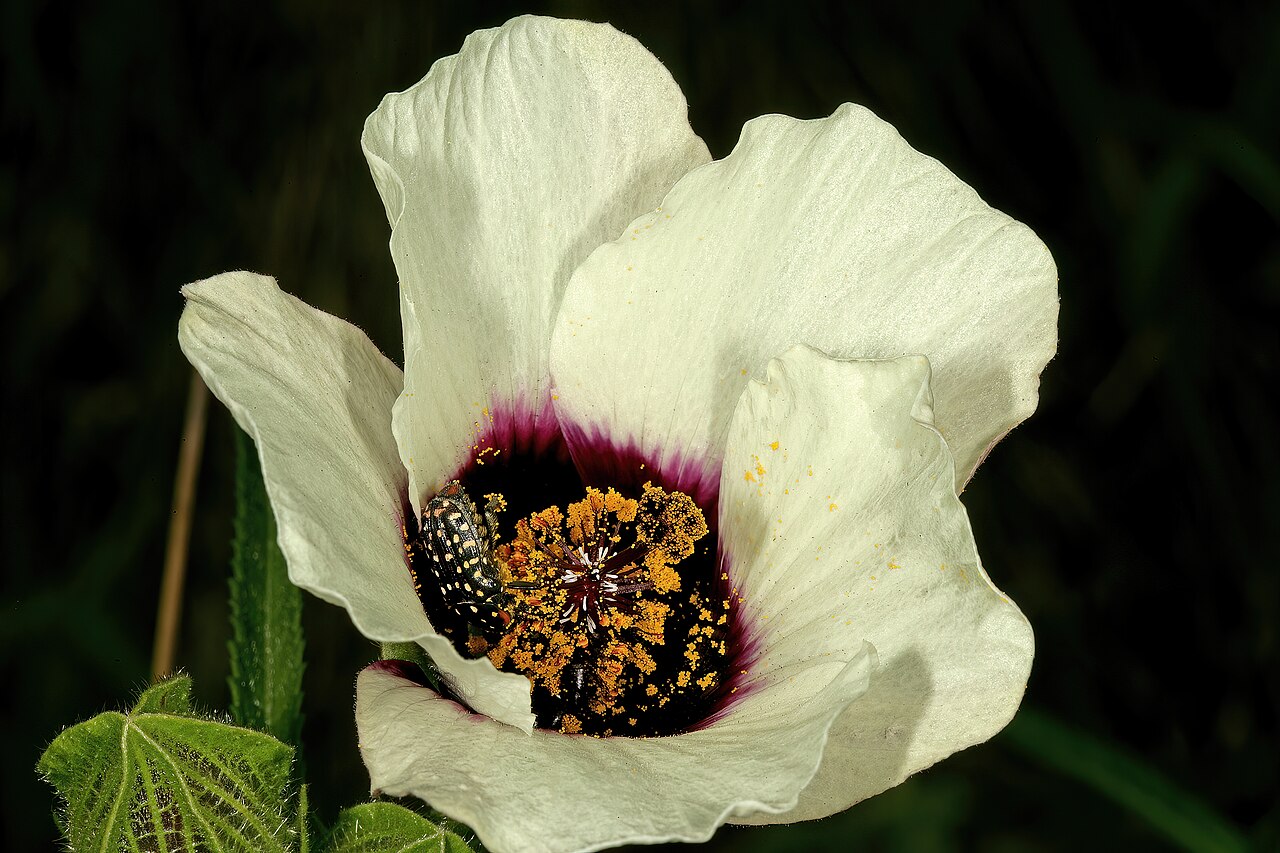
Plants typically reach 20–50 cm in height, though individual specimens can be taller under favourable conditions. Leaves are alternate and often lobed. Flowers open singly and are comparatively short-lived—hence names such as "flower-of-an-hour"—with pale petals (usually white or cream, sometimes yellow) surrounding a conspicuous dark purple or maroon centre. The calyx behind the flower becomes inflated and papery as the fruit develops, a feature that inspires names like "bladder hibiscus" or "bladder ketmia." The fruit is a dry capsule that releases seeds when mature.
Distribution and history
Originally associated with the Levant and neighbouring parts of the eastern Mediterranean, H. trionum has spread over time through deliberate planting and accidental introduction. It is now found in cultivated and disturbed habitats across southern Europe, parts of Africa, Asia, Australia, and the Americas where climate permits. Human movement of seed, horticultural trade, and roadside and agricultural disturbance have all contributed to its wider range.
Ecology, pollination and management
Flowers attract a variety of insect visitors, including bees and other pollinators that forage on nectar and pollen. In some regions the species behaves as a casual or persistent weed in crops, orchards, and waste ground. Management approaches emphasise prevention of seeding: hand removal before capsule formation, regular mowing in suitable settings, and maintaining competitive groundcover. Chemical control can be used in agricultural contexts following local guidance.
Uses and cultural notes
Hibiscus trionum is grown primarily as an ornamental for cottage gardens, wildflower mixes, and low-maintenance borders where its ephemeral flowers add contrast. It has been given many vernacular names reflecting its appearance and behaviour: bladder hibiscus, flower-of-an-hour, shoofly, Venice mallow, and others. For cultivation advice and more detailed botanical information consult horticultural or regional flora resources such as garden references and conservation lists at regional plant databases.
Identification tips and notable facts
Key features to distinguish this species include the pale petals with a contrasting dark centre, the brief daily openness of each bloom, lobed leaves typical of many mallows, and the inflated, papery calyx surrounding the developing fruit. For taxonomic and nomenclatural details see specialist sources or checklists: taxonomic references provide authoritative treatment and synonymy.
Related articles
Author
AlegsaOnline.com Hibiscus trionum — bladder hibiscus, flower-of-an-hour Leandro Alegsa
URL: https://en.alegsaonline.com/art/44032
Sources
- theplantlist.org : "The plant list: a working list of all plant species"
- ars-grin.gov : "USDA GRIN Taxonomy"
- gutenberg.org : Gardening for the Million
- illinoiswildflowers.info : "Flower-of-an-Hour"