
Herbarium (botanical collection of preserved plant specimens)
A herbarium is a curated collection of preserved plant specimens and associated data used by botanists for identification, research, conservation and education.
A herbarium can refer to several related things: a individual preserved plant sheet, a cabinet or building where specimens are kept, or a scientific institution that curates and studies those collections. In the context of botany it is both a physical repository and a research resource. A single dried specimen mounted on paper is often called an herbarium specimen; larger organizations that manage many such specimens are commonly called herbaria. Some institutions are primarily storage buildings, while others are full research centers and museums that conduct active studies and research.
Image gallery
8 Images


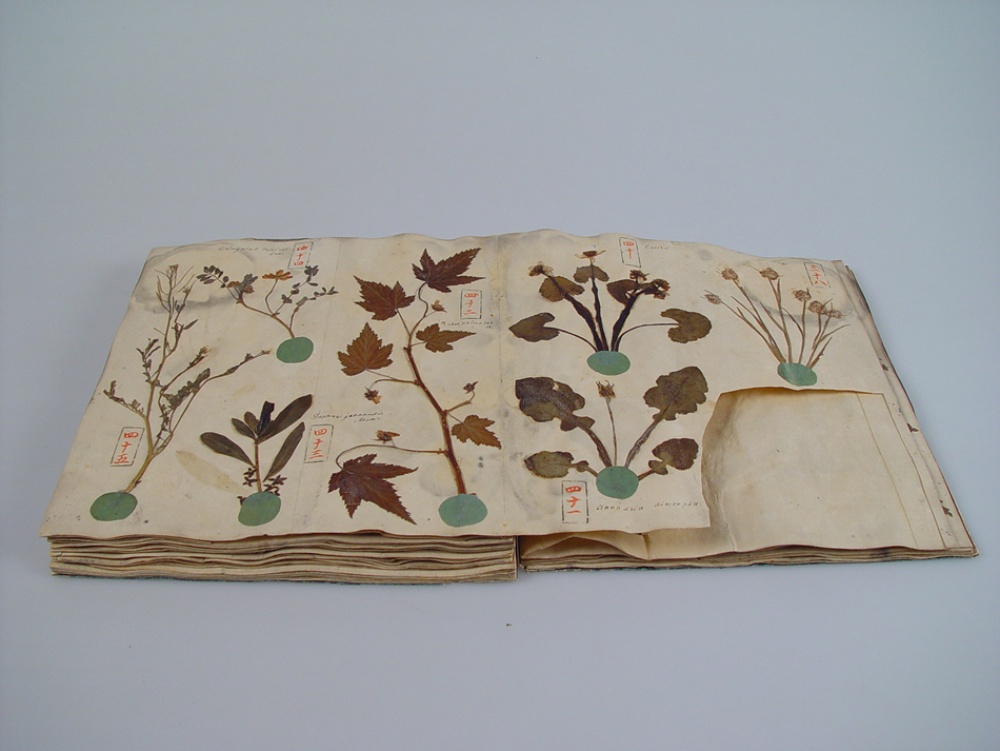
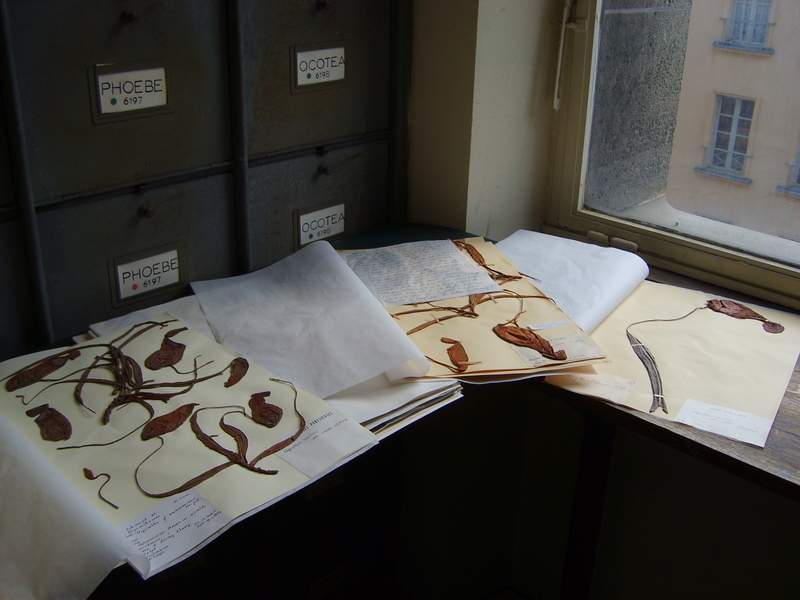


Characteristics and preparation
Herbarium specimens are usually plant material pressed and dried, then affixed to standard-sized sheets with a label recording scientific name, collector, location, habitat and date. Additional materials may include seeds, fruits, microscopic slides, photographs or tissue samples preserved for DNA analysis. Besides mounted dry specimens, some herbaria maintain spirit collections (alcohol-preserved samples) and digital images. Proper curation involves climate-controlled storage, pest management and careful handling to ensure long-term preservation.
Uses and importance
Herbaria are fundamental tools for taxonomy and systematics: researchers compare specimens to describe species, synonyms and distributions. They provide historical records for biogeography, conservation assessments and studies of phenology and climate change. Practical applications include invasive species tracking, forensic botany, and support for ecological restoration. Modern digitization projects make specimen data widely available online, enabling large-scale analyses without physical loans.
History and development
Collections of dried plants date back to early modern collectors and cabinets of curiosity; scientific herbaria developed as botanical study became more formalized. Notable figures such as Carl Linnaeus contributed to the practice of assembling reference collections. Over centuries herbaria grew into institutional repositories associated with universities, botanical gardens and museums that combine storage, curation and active institute-level research.
Organization, citation and access
Herbaria vary in size from small local collections to national or international centers holding millions of specimens. In scientific literature herbaria and their specimens are cited using standard acronyms listed in registries; these acronyms identify the holding institution and facilitate loans and reference (for example, many cite specimens from acronyms like NY for a major botanical garden). Collections are increasingly cataloged in databases and shared via virtual portals to broaden access while protecting fragile originals.
Practices and notable facts
- Specimen labels are the primary data; good labels make specimens usable for science long after collection.
- Herbaria exchange material through loans and collaborative projects, supporting global research networks.
- Digitization and databasing have transformed use, letting researchers query specimens remotely and combine records with environmental data.
For more information about institutional roles and standards see resources in the botanical community: museum and research facility descriptions, online indexes and herbarium guides often referenced in academic and field contexts (scientific collections), regional directories (dried plant resources) and catalog listings (building guides). Many herbaria also provide public outreach and educational programs to demonstrate their role in preserving plant diversity.
Related articles
Author
AlegsaOnline.com Herbarium (botanical collection of preserved plant specimens) Leandro Alegsa
URL: https://en.alegsaonline.com/art/43688