
Herd immunity: concept, mechanisms, and public health implications
Herd immunity is population-level protection from infectious disease achieved when enough people are immune, reducing spread and protecting those who cannot be immune themselves.
Overview
Herd immunity, also called community or population immunity, refers to indirect protection from infectious disease that occurs when a sufficient proportion of a population is immune. Immunity can come from previous infection or from vaccination. When many people resist infection, chains of transmission are interrupted and the pathogen struggles to find new susceptible hosts. This reduces case incidence and can protect individuals who are not immune, such as infants or immunocompromised people.
Image gallery
4 Images

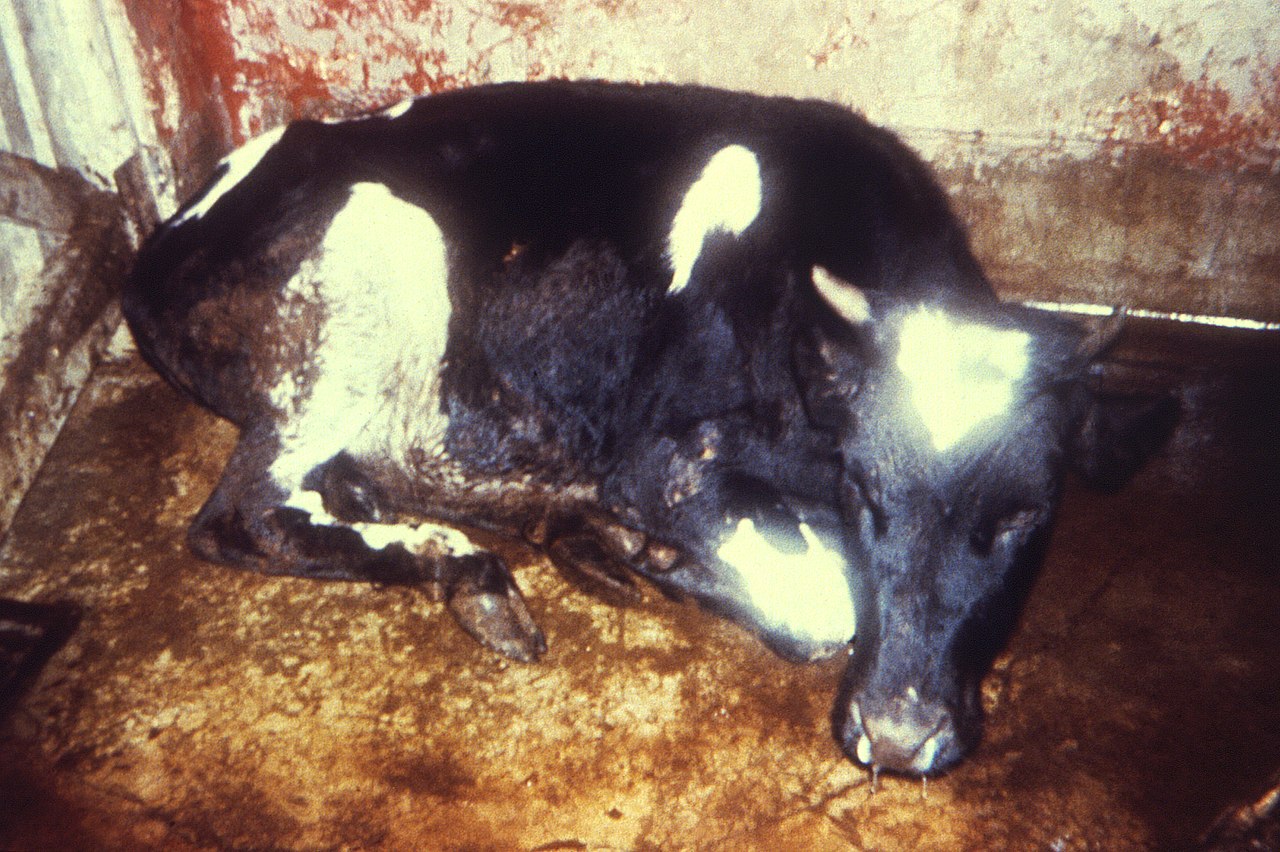

How herd immunity works
At the population level, infectious spread depends on how many secondary cases an infected person will cause on average. A commonly used concept is the basic reproduction number, often called R0, which indicates transmissibility in a fully susceptible population. As immunity builds, the effective reproduction number falls. When it falls below one, each infected person transmits to fewer than one other person on average and outbreaks decline. The threshold fraction of immune individuals needed to stop sustained spread depends on transmissibility and vaccine effectiveness.
Key characteristics and factors
- Thresholds: The herd immunity threshold can be estimated from the pathogen's transmissibility and the protection provided by immunity, but real-world thresholds are influenced by population structure.
- Vaccine role: Vaccination is the safe and controlled way to reach population immunity without the illness and deaths that result from widespread natural infection. For vaccines, coverage and effectiveness both matter.
- Heterogeneity: Age, social mixing, geography, and clustering of susceptible people can raise or lower the effective threshold in practice.
History and examples
The idea that population-level immunity can reduce transmission dates to early epidemiological observations in the 20th century. In modern public health, herd immunity explains why high vaccination coverage against diseases such as measles, polio, and diphtheria has led to large declines in cases and, in some regions, local elimination. However, diseases with animal reservoirs or those for which immunity wanes are much harder to control by herd immunity alone.
Uses, limitations and ethical considerations
Achieving herd immunity by vaccination is a major goal for control and eradication programs because it protects vulnerable people who cannot be immunized. Relying on uncontrolled natural infection to reach herd immunity raises serious ethical and medical concerns due to illness, long-term complications and deaths. Public health policy balances vaccine deployment, monitoring of immunity levels, and measures such as targeted campaigns to reach pockets of low coverage.
Misconceptions and notable facts
Common misunderstandings include the idea that herd immunity means every disease can be eliminated or that partial immunity in a population guarantees permanent protection. In reality, factors such as waning immunity, new variants, or uneven uptake can lower population protection over time. For more on transmissibility and modeling, see epidemiology resources. For information on immunity and vaccination, consult vaccine guidance and public-health summaries at official summaries.
Related articles
Author
AlegsaOnline.com Herd immunity: concept, mechanisms, and public health implications Leandro Alegsa
URL: https://en.alegsaonline.com/art/43735
Sources
- cid.oxfordjournals.org : "'Herd immunity': A rough guide"
- doi.org : 10.1093/cid/cir007
- pubmed.ncbi.nlm.nih.gov : 21427399
- books.google.com : Epidemiology
- books.google.com : Introduction to Epidemiology