
Hip dysplasia: causes, signs, diagnosis and treatment
Developmental disorder of the hip joint that destabilizes the socket, commonly seen in dogs (especially large breeds). Leads to pain and arthritis; managed by conservative care, surgery, rehabilitation and breeding choices.
Overview
Hip dysplasia is a developmental and degenerative condition in which the ball-and-socket hip joint does not form or function normally. The femoral head (ball) and the acetabulum (socket) are poorly congruent, allowing abnormal motion, joint wear and inflammation that often progress to osteoarthritis and chronic pain. The condition is described in multiple species and in humans (developmental dysplasia of the hip), but it is most frequently recognized and discussed in dogs, particularly medium and large breeds.
Image gallery
4 Images

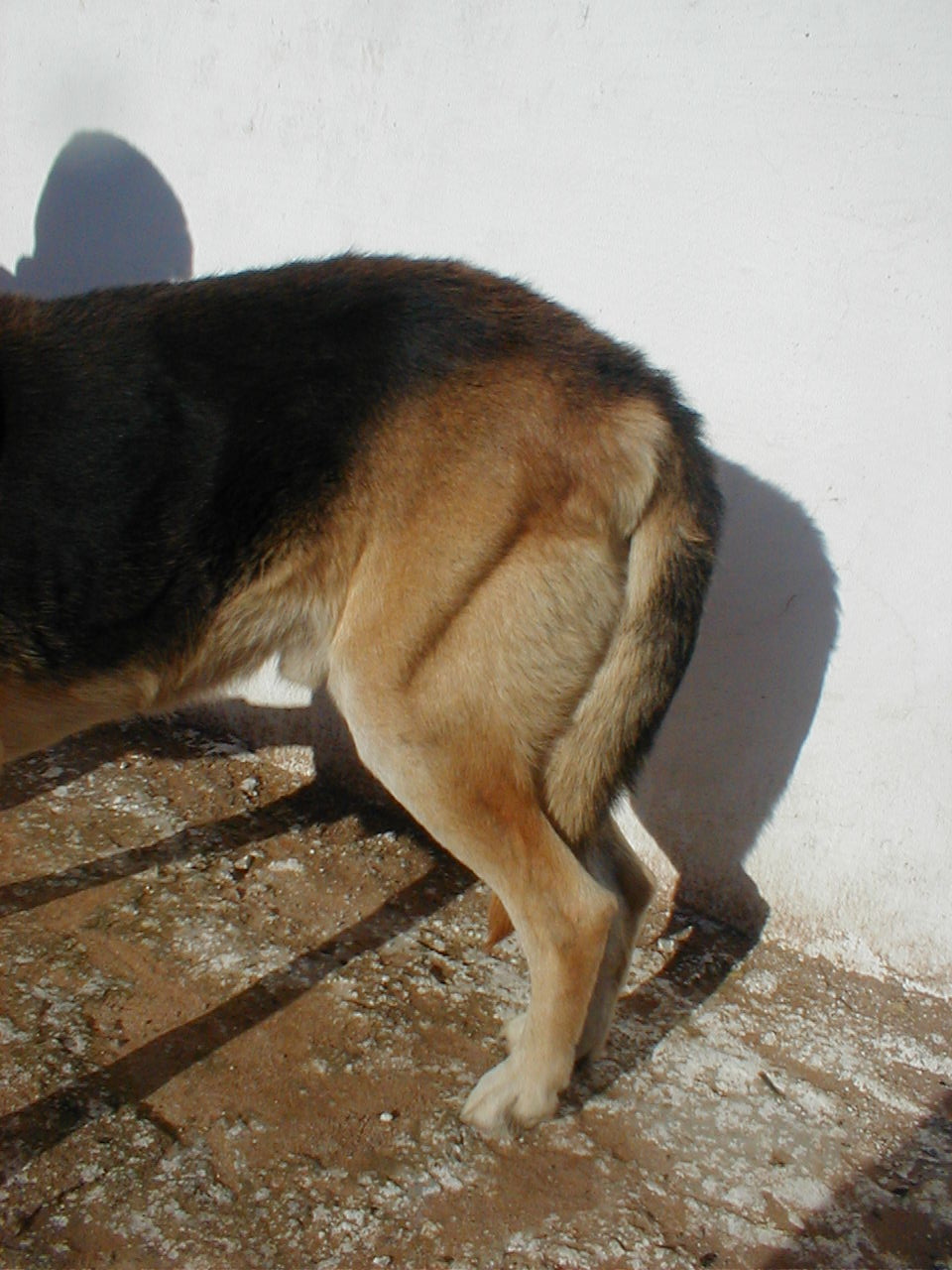
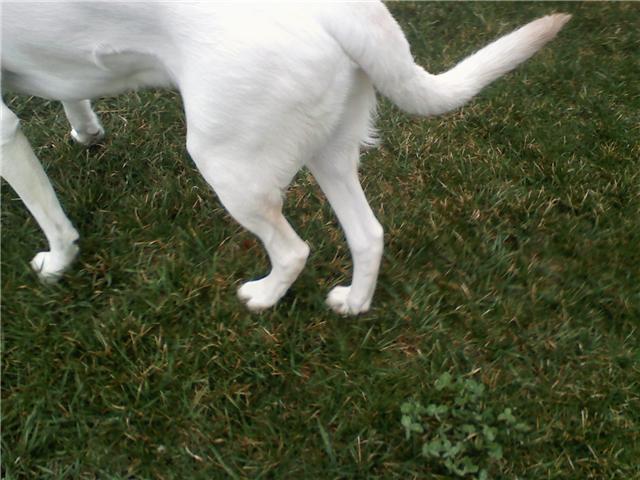
Causes and pathophysiology
The condition typically results from an interaction of inherited predisposition and environmental influences. Genetic factors govern joint conformation and laxity, while nutrition, growth rate, body weight, and biomechanical stresses during skeletal maturation affect how severely the joint deteriorates. Excessive laxity permits abnormal loading of cartilage and early degenerative change.
Clinical signs
Signs vary with the animal's age and the severity of joint damage. Puppies and young dogs may show subtle changes such as reluctance to rise, swaying or bunny-hopping gait, difficulty jumping, or asymmetrical muscle development. As arthritis develops, animals commonly display stiffness after rest, decreased tolerance for exercise, difficulty climbing, intermittent limping, and behavioral changes related to chronic pain.
Diagnosis
Veterinarians combine a physical examination with imaging to establish a diagnosis. Palpation and specific maneuvers can detect joint laxity and pain. Radiography is the standard imaging tool; different radiographic techniques and scoring systems are used to evaluate conformation and degenerative change. Specialized methods (for example hip laxity assessment protocols) help predict risk and guide breeding and treatment decisions.
Treatment and management
Management aims to reduce pain, preserve mobility and slow progression. Conservative measures include strict weight control, low-impact exercise, tailored physical therapy, environmental modifications, analgesic and anti-inflammatory medications, and joint-support supplements. Surgical options are chosen based on age, severity and intended function. Procedures range from joint-preserving operations in young animals to salvage procedures and total hip replacement in advanced cases. Rehabilitation after surgery improves outcomes and helps restore function.
Prevention and breeding
Prevention focuses on responsible breeding by screening parent animals for hip quality, avoiding breeding of affected lines, and managing growth and nutrition in young animals to reduce mechanical stress on developing joints. Screening programs and breeding recommendations vary by region and registry.
Prognosis and living with the condition
Prognosis depends on severity, age at intervention and chosen treatments. Many animals achieve a good quality of life with a combination of weight management, medical therapy and appropriate surgery when indicated. Owners may find further guidance from breed clubs and specialist resources such as more on canine hip dysplasia and practical advice on long-term joint care at arthritis and joint care.
Important distinctions
Although the term and general problem overlap across species, screening, timing of intervention and typical outcomes differ between companion animals and humans. Human infant screening emphasizes early noninvasive correction of hip instability, while veterinary approaches balance growth stage, expected function and owner priorities.
Related articles
Author
AlegsaOnline.com Hip dysplasia: causes, signs, diagnosis and treatment Leandro Alegsa
URL: https://en.alegsaonline.com/art/44322