
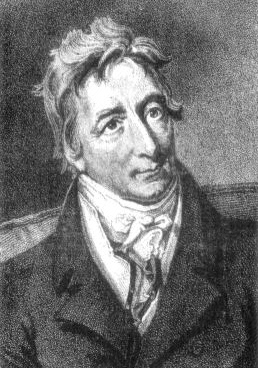
Henry Grattan: Irish statesman and advocate of legislative independence
Henry Grattan (1746–1820) was a leading Irish parliamentarian and orator who championed Irish legislative independence in 1782, sought Catholic relief, and opposed union with Great Britain.
Overview
Henry Grattan (3 July 1746 – 6 June 1820) was a prominent Irish parliamentarian and orator who played a central role in securing a degree of legislative independence for the Kingdom of Ireland in 1782. He served for many years in the Irish House of Commons and became synonymous with the reform movement that challenged external control of Irish legislation. Grattan is often remembered for his eloquent speeches and his commitment to constitutional change.
Image gallery
10 Images


Political career and the 1782 constitution
Grattan emerged as a leading figure during a period of political agitation in the 1770s and 1780s. Working with reformers and popular pressure groups, he helped bring about the repeal of key legal restraints on the Irish legislature. The achievements of 1782—often called "Grattan's Parliament" in popular memory—removed or mitigated elements of the prior constitutional framework, curtailed the application of external parliamentary control and challenged the practical force of older statutes such as Poynings' Law and the Declaratory Act. These changes increased Ireland’s self-government, although they did not create complete independence in modern terms.
Principles, positions and style
Grattan combined a liberal Protestant outlook with advocacy for broader civil rights. He supported measures for Catholic relief—while remaining cautious about rapid social upheaval—and he argued for strengthened Irish legislative autonomy rather than political union with Britain. His reputation rests largely on his persuasive public speaking and firm belief that Ireland should govern its own internal affairs; contemporaries praised his rhetoric and commitment to parliamentary procedure. Many accounts describe him simply as a leading politician of his generation.
Opposition to union and later life
When proposals to unite the parliaments of Ireland and Great Britain resurfaced at the end of the 18th century, Grattan opposed a single united state on the grounds that it would extinguish Irish legislative identity. Despite his efforts, the 1800 Act of Union passed and the Irish Parliament was dissolved; Grattan subsequently continued to press for reform and for relief measures within the new political arrangements until his death in 1820.
Legacy and notable facts
Grattan’s lasting importance lies in his role as an advocate for constitutional change and for incremental expansion of civil rights. His name is attached to the period of increased legislative autonomy in the 1780s and to debates over Catholic emancipation and national governance. Key points include:
- Leader in the campaign for legislative independence in 1782.
- Opponent of the 1800 Union between Ireland and Great Britain.
- Champion of parliamentary reform and measured Catholic relief.
- Remembered for eloquent oratory and a moderate reforming stance.
For further reading on Grattan’s life, the Irish Parliament of the 1780s and the constitutional changes of that era, see related resources: biographical summaries, contemporary parliamentary records and modern histories of Irish politics such as collections available through institutional archives and scholarly works on the Irish constitution or studies of Catholic emancipation and the Union. Additional reference points include focused articles on Poynings' Law and the Declaratory Act.
Related articles
Author
AlegsaOnline.com Henry Grattan: Irish statesman and advocate of legislative independence Leandro Alegsa
URL: https://en.alegsaonline.com/art/43578