
Henry Howard, Earl of Surrey: Tudor nobleman and poet
English nobleman and poet (1517–1547) from the Howard family; credited with early use of blank verse and the English sonnet form. Executed after a treason conviction; works appeared in Tottel's Miscellany.
Henry Howard, Earl of Surrey (1517–1547) was an English nobleman and poet, a leading figure of the early Tudor court and a member of the powerful Howard family. As heir to the Norfolk dukedom, Surrey combined court service and military duty with literary pursuits. His short life ended in a high‑profile trial and execution for treason, but his poetry and technical experiments had a lasting effect on English literature.
Image gallery
10 Images

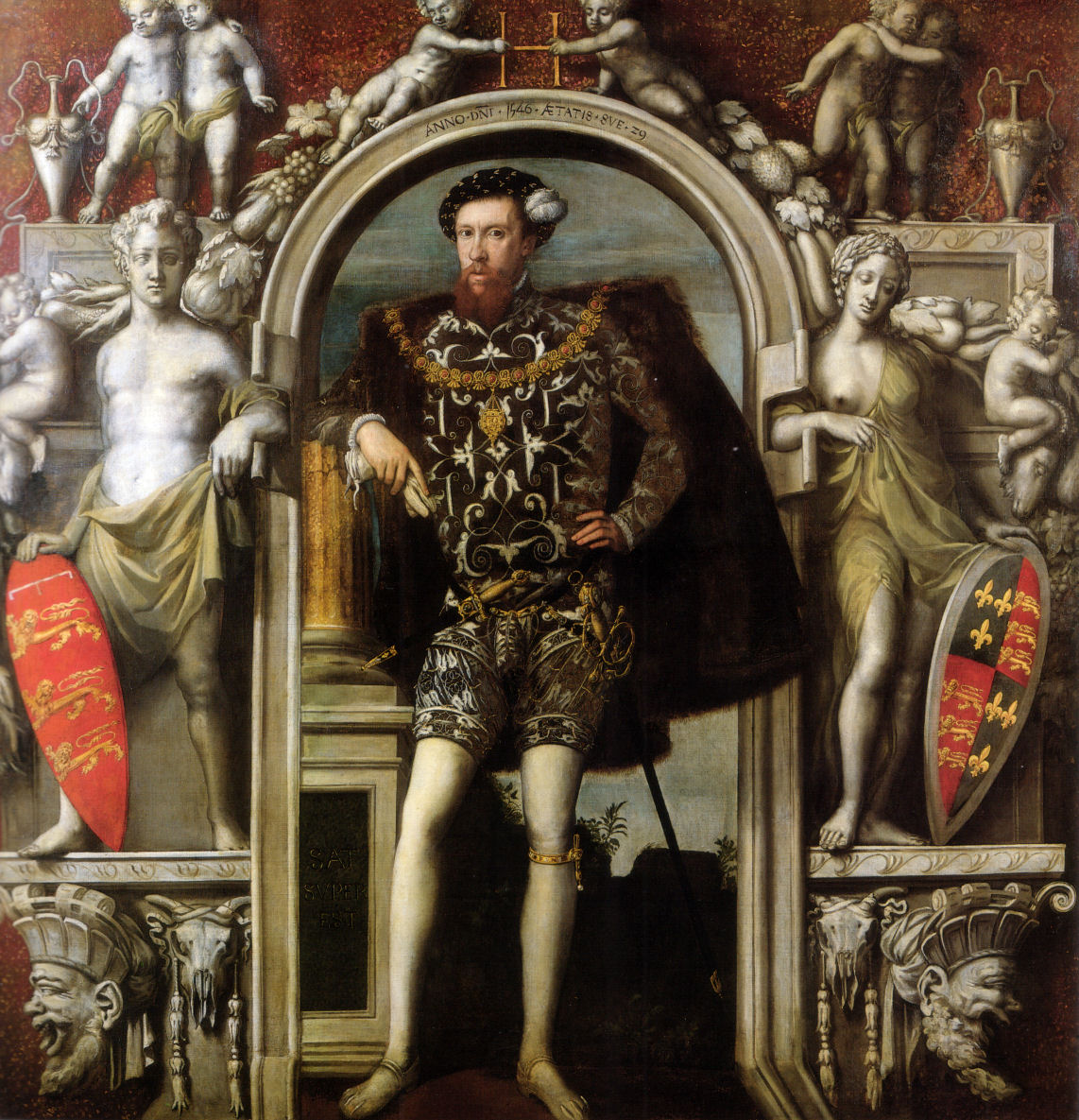
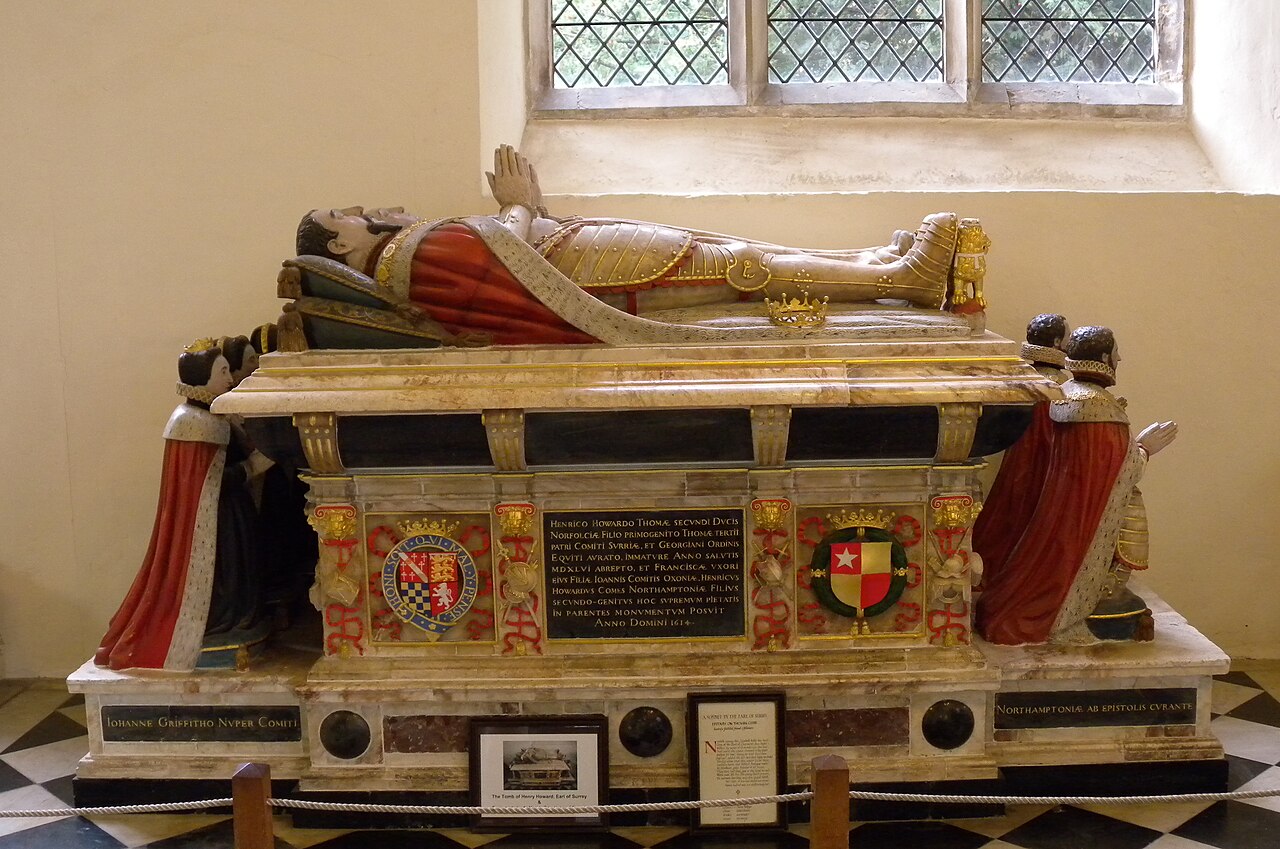


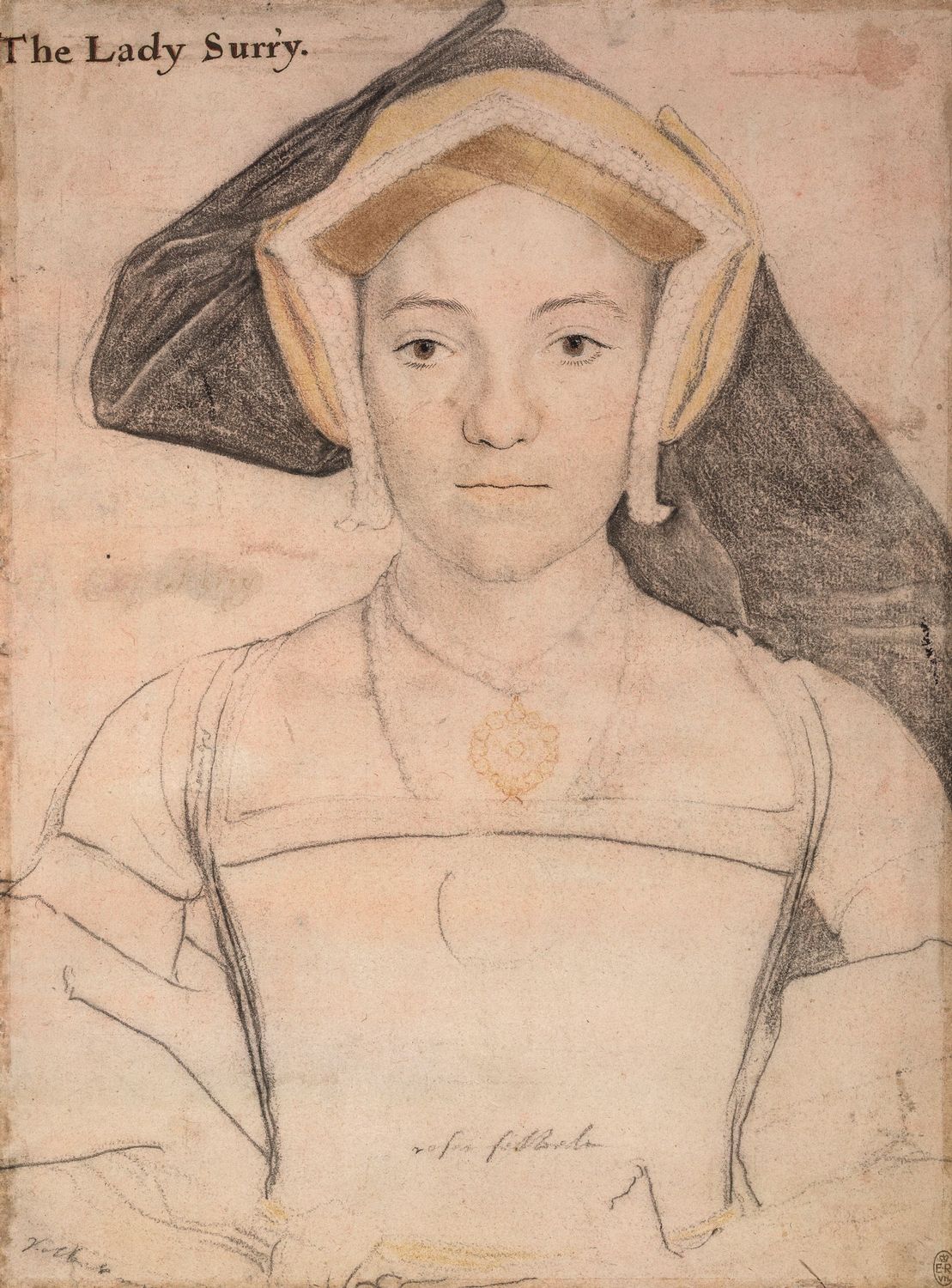


Life and political downfall
Surrey rose at Henry VIII’s court and enjoyed the privileges and dangers of aristocratic prominence. Suspicion grew around his family’s influence and several of his actions were interpreted as challenges to royal authority. He was arrested, charged with treason, and executed in 1547; historians view his fate in the context of Tudor factional politics as much as any single act. His trial included heraldic disputes — the way he displayed certain arms was cited as evidence of overreaching ambition.
Literary innovations
Though his surviving oeuvre is limited, Surrey is widely credited with two important technical developments. He adapted Italianate sonnet models for English use, shaping the rhyme pattern later associated with English sonnets, and he introduced unrhymed iambic pentameter (blank verse) into English through verse translations. He and Sir Thomas Wyatt are often paired as pioneers who brought continental forms and classical models into English poetic practice.
Works, publication and themes
Surrey wrote original lyric poems—many on love, honor and chivalric feeling—and translated passages from Virgil into blank verse. His poems survived mainly in manuscript and were published after his death; a key vehicle for their influence was the anthology Tottel’s Miscellany (1557), which brought his and Wyatt’s poetry to a wider reading public.
- Introduced blank verse to English poetic practice through Virgil translations.
- Helped shape the English (Shakespearean) sonnet form from Italian models.
- Posthumous publication secured his role in Tudor literary history.
Surrey’s combination of courtly identity and literary craft made him an emblematic Renaissance figure: his innovations provided technical tools adopted by later poets, and his dramatic life and death have kept him a subject of historical and literary interest.
Related articles
Author
AlegsaOnline.com Henry Howard, Earl of Surrey: Tudor nobleman and poet Leandro Alegsa
URL: https://en.alegsaonline.com/art/43583
Sources
- britannica.com : "Henry Howard, Earl of Surrey - English poet"
- luminarium.org : "The Life of Henry Howard, Earl of Surrey (1517-1547)"
- sonnets.org : "Basic Sonnet Forms"
- poetryfoundation.org : "Henry Howard, Earl of Surrey"