
Cannabis: plant, compounds, uses, and legal status
Overview of cannabis: plant biology, key compounds like THC and other cannabinoids, common consumption methods, medicinal and recreational uses, health effects, and global legal status.
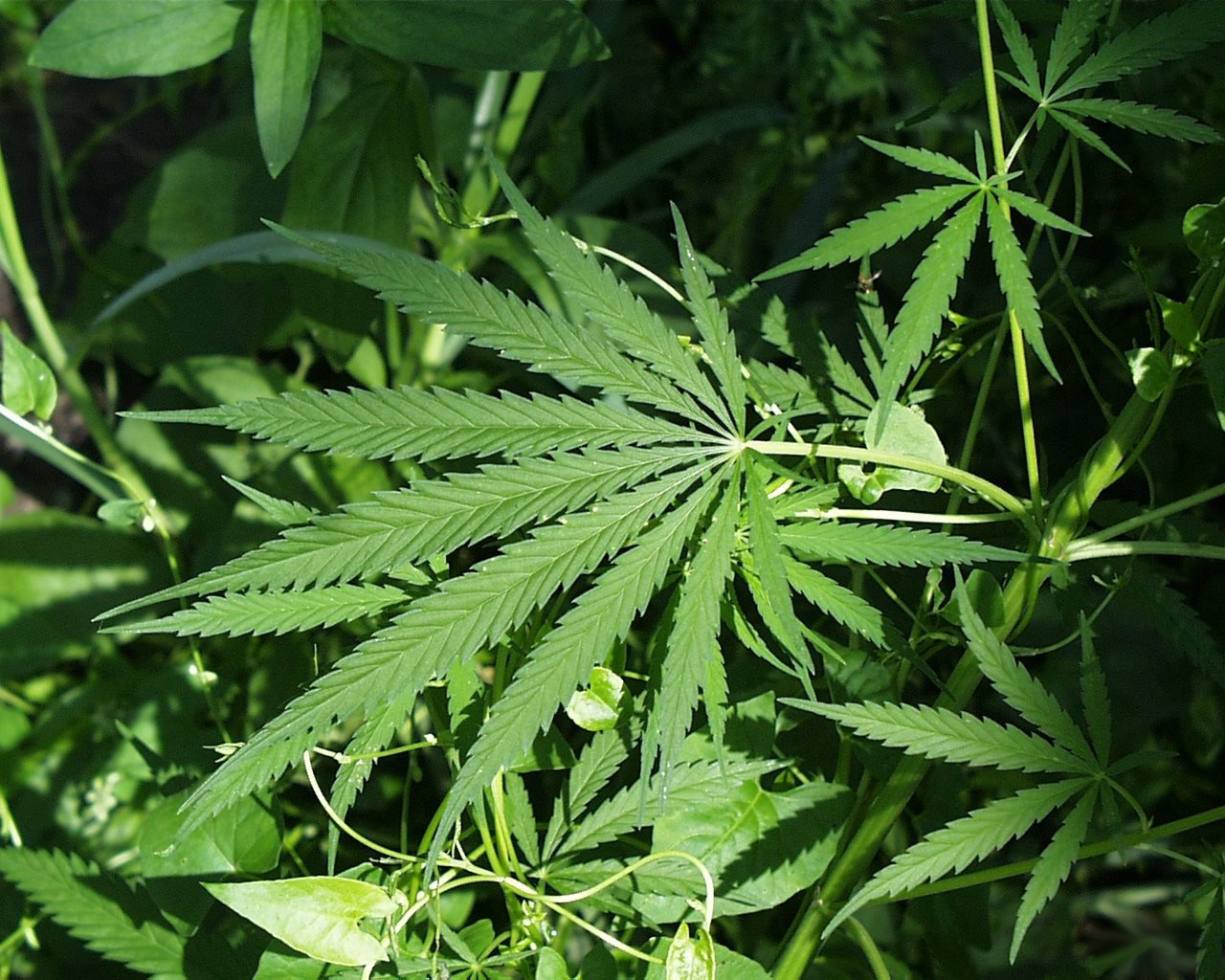
Cannabis—also commonly called marijuana—is a plant whose flowers and extracts are used as a psychoactive drug. Products derived from the Cannabis species are consumed for a variety of reasons, including medical treatment, recreational enjoyment, and, in some traditions, spiritual or ritual purposes.
Image gallery
10 Images





Chemistry and active components
The plant contains a complex mixture of chemical constituents, among which a group called cannabinoids is especially important for its effects on the human brain and body. The principal intoxicating compound is tetrahydrocannabinol (THC). In addition to THC, cannabis produces many other cannabinoids and non-cannabinoid substances that contribute to its aroma, taste and pharmacology.
How it is used
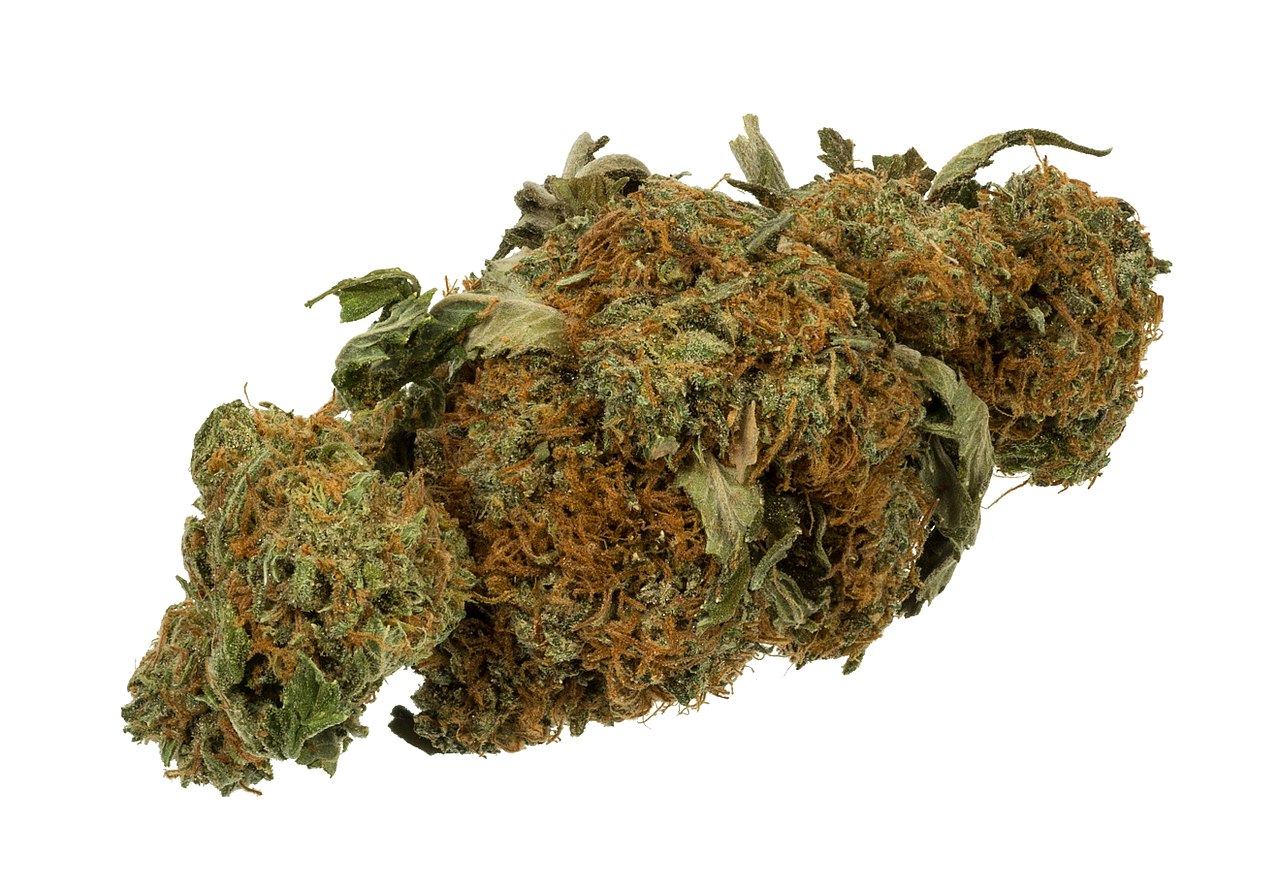
People use cannabis in several ways. Common methods include inhaling smoke from burned plant material, using vaporizers to inhale heated vapors, consuming edible preparations (eating cannabis-infused food), or taking concentrated extracts and oils. The chosen route of administration affects how quickly effects begin and how long they last.
Purposes and prevalence
Cannabis is widely used for both recreational and therapeutic aims. It is also employed in some spiritual contexts. Around 2013, global estimates suggested that between roughly 128 million and 232 million people—about 2.7% to 4.9% of those aged 15–65—had used cannabis in the previous year. While it remains an illegal substance in many countries, several jurisdictions have legalized or decriminalized parts of its production, sale, or personal use.
Varieties and strains
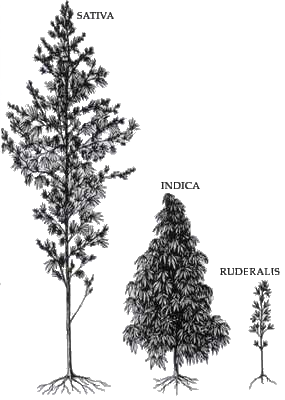
Cannabis available to consumers is often described using the terms Sativa, Indica, and Hybrid. These labels are used to suggest different growth characteristics and subjective effects, though scientific distinctions between them are debated and many commercially sold plants are the result of extensive cross-breeding. Within these broad categories, individual strains (also called cultivars) are marketed for particular aromas, flavors, or effects.
- Examples of well-known strain names include Acapulco Gold, Gelato, Grape Ape, White Widow, Purple Haze, Skunk and G13.
Health and regulatory notes
Short-term effects of cannabis use can include altered perception, relaxation, and changes in appetite; there can also be unwanted effects such as anxiety or impaired coordination. Long-term patterns of heavy use are associated with additional health and social risks for some users. Laws, labeling standards, and product safety requirements vary widely between countries and regions.
Because research and public policy continue to evolve, readers interested in clinical uses, legal status, or detailed pharmacology should consult current scientific reviews and local regulations.
Related articles
Author
AlegsaOnline.com Cannabis: plant, compounds, uses, and legal status Leandro Alegsa
URL: https://en.alegsaonline.com/art/16572
Sources
- oxfordlearnersdictionaries.com : "marijuana noun - Definition, pictures, pronunciation and usage notes | Oxford Advanced Learner's Dictionary at OxfordLearnersDictionaries.com"
- books.google.com : Marijuana and the Cannabinoids
- unodc.org : "World Drug Report 2013"
- hc-sc.gc.ca : "Medical Use of Marijuana"
- prnewswire.com : "New Colombia Resources Inc Subsidiary, Sannabis, Produces First Batch of Medical Marijuana Based Products in Colombia to Fill Back Orders"
- nzherald.co.nz : "Lebanon cannabis trade thrives in shadow of Syrian war"
- edition.cnn.com : "Mexico, Paraguay top pot producers, U.N. report says"
- spectator.co.uk : spectator.co.uk
- merriam-webster.com : "Pot – Definition"
- merriam-webster.com : "Weed – Definition"
- merriam-webster.com : "Dope – Definition"
- merriam-webster.com : "Ganja – Definition"
- books.google.com : Substance Abuse: A Comprehensive Textbook
- merriam-webster.com : "Grass – Definition"
- merriam-webster.com : "Herb – Definition"